Best Time to Visit Yosemite National Park for Optimal Scenery and Experience
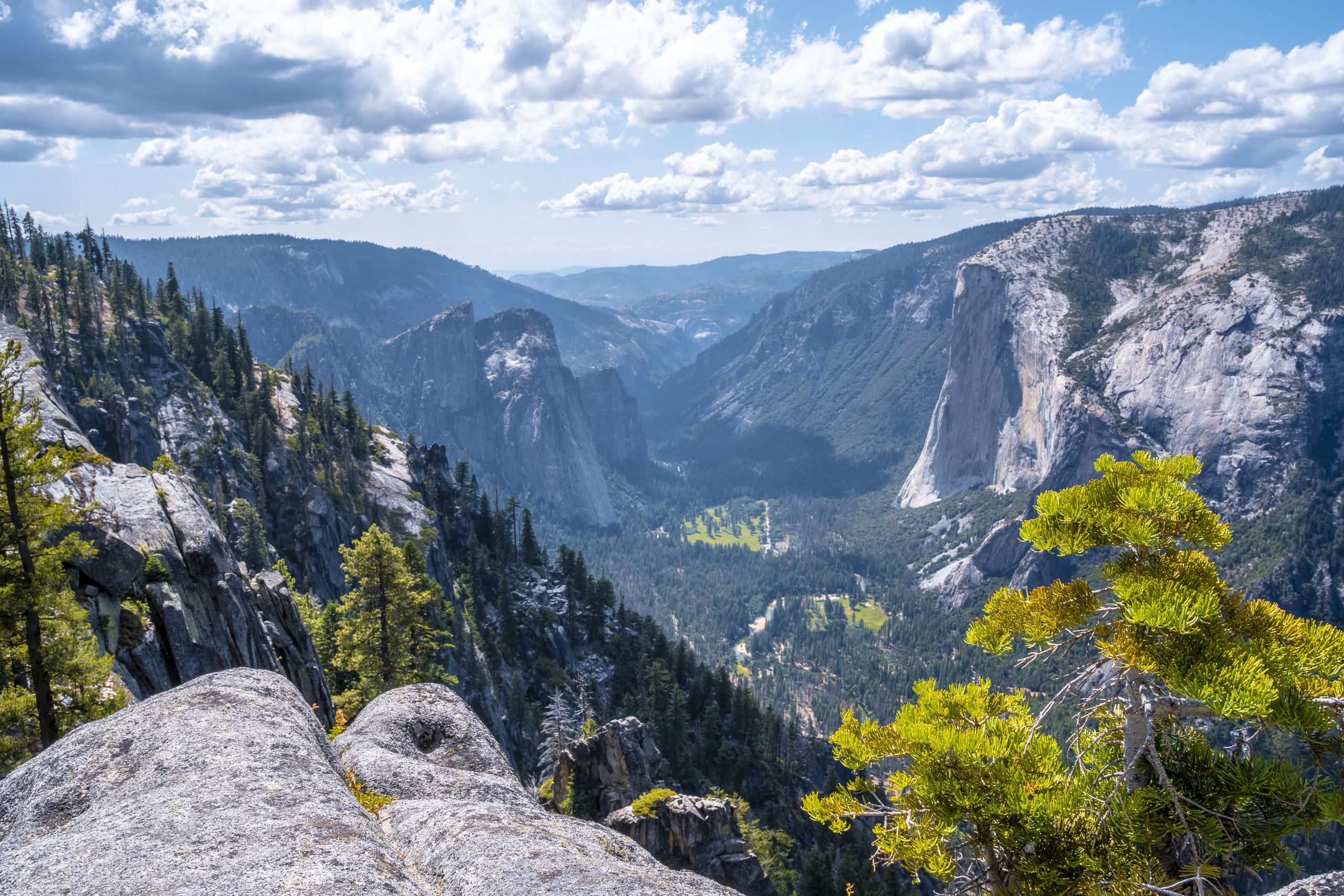
Yosemite National Park is a stunning destination known for its breathtaking landscapes and diverse wildlife. Visitors often wonder when the best time to visit is to make the most of their experience. The ideal time to visit Yosemite is from late spring to early summer, when the waterfalls are at their fullest and the weather is generally pleasant.
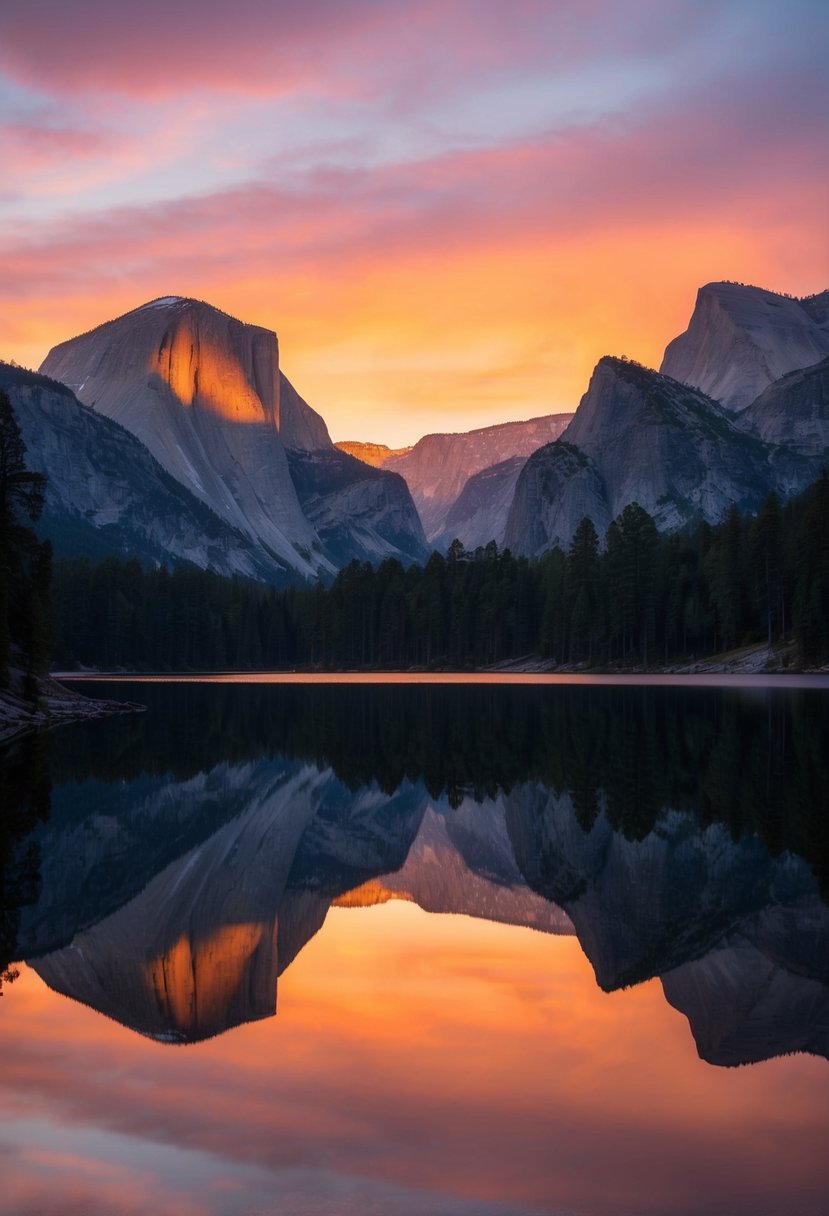
Each season offers something unique in the park, from snow-covered vistas in winter to blooming wildflowers in spring. Understanding these seasonal changes can help you plan your trip effectively. Whether you seek adventure, photography, or simply a chance to enjoy nature, knowing the best time to visit can enhance your experience.
1: Spring Blooms
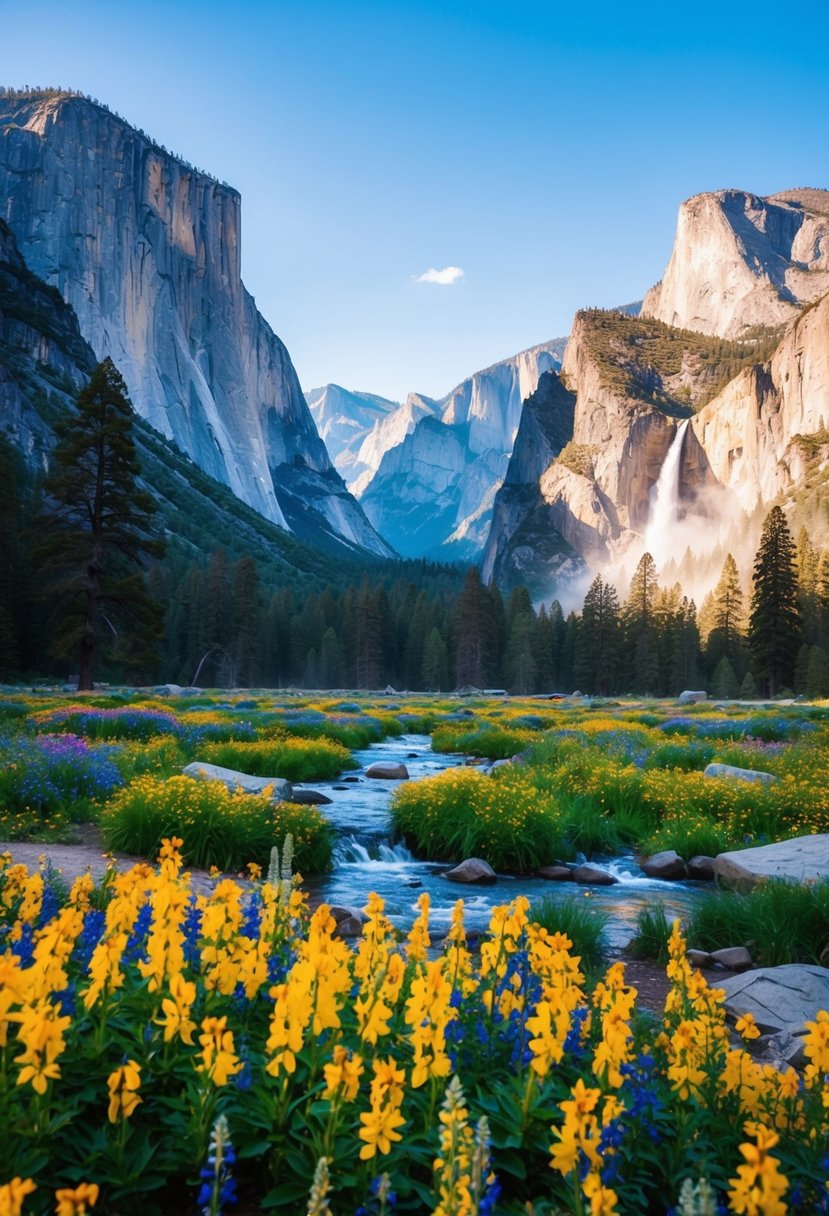
Spring is a beautiful time to visit Yosemite National Park. The season unfolds with vibrant wildflowers and blooming dogwood trees. You will see meadows come alive with colors as flowers burst into bloom.
The waterfalls are at their peak, fueled by melting snow. This creates stunning views and a serene atmosphere. You might want to hike some trails to enjoy these sights up close.
Visiting in spring also means fewer crowds. If you plan your trip wisely, you can enjoy the beauty without the hustle of larger crowds typical of the summer months.
Tire chains may be required even in spring, so check ahead. The weather can change quickly, but the scenic beauty during this time is worth it.
Overall, spring in Yosemite offers a chance to witness nature’s renewal firsthand. The blooming flowers and flowing waterfalls make your experience memorable.
2: Firefall Phenomenon
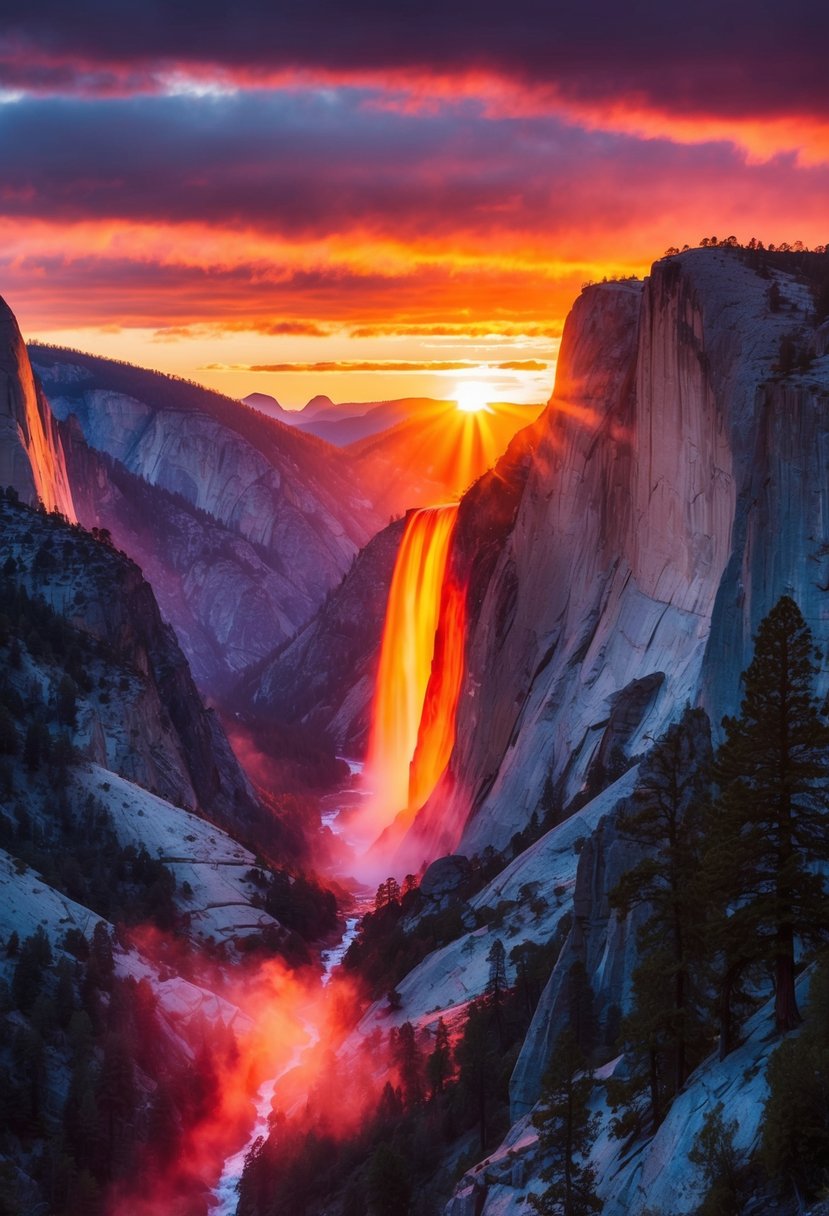
The Firefall phenomenon is a breathtaking event that occurs at Horsetail Fall in Yosemite National Park. This natural wonder happens each February when conditions align perfectly.
During sunset, sunlight hits the waterfall just right. This illumination makes the water look like it’s glowing. Visitors flock to experience this stunning sight.
Horsetail Fall typically flows only during winter due to snowmelt. The sight is not guaranteed; it depends on various factors, like water flow and weather conditions.
To get the best view, it’s important to plan your visit. Arriving early helps secure a good spot for photos.
If you want to witness this rare event, keep an eye on local weather forecasts. Check for updates on water levels and sunlight angles. This will enhance your chances of seeing the Firefall in all its glory.
The Firefall draws many photographers and nature lovers. It’s a unique experience that showcases the park’s beauty during a specific time of year. Make sure to include it in your travel plans for a memorable visit.
3: Mild Weather in May
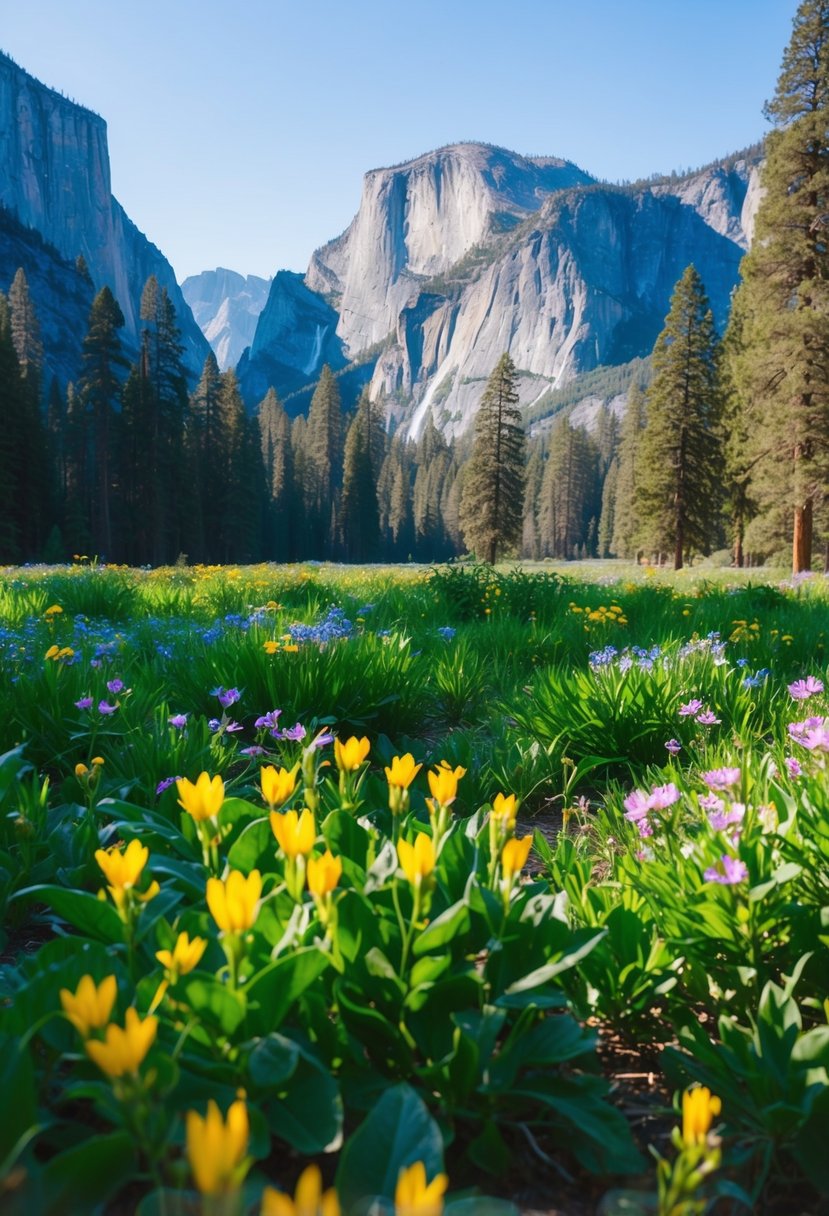
May is one of the best months to visit Yosemite National Park. During this time, you can expect mild weather that enhances your experience in the park.
Daytime temperatures in Yosemite Valley usually reach the 70s. This makes it enjoyable to hike and explore the stunning scenery. The nights can be cooler, with lows in the 40s, so packing layers is wise.
Rain and snow are not very common in May. Most days are sunny or partly cloudy, allowing you to fully enjoy outdoor activities. The combination of warm days and cool nights provides a comfortable environment.
May is also the time when waterfalls are at their peak due to melting snow. This is a great chance to see the park’s famous waterfalls flowing vigorously.
Planning your visit for May means you can experience the beauty of Yosemite with fewer crowds than in the summer. Enjoy the mild weather and the stunning natural beauty that surrounds you.
4: Fall Colors
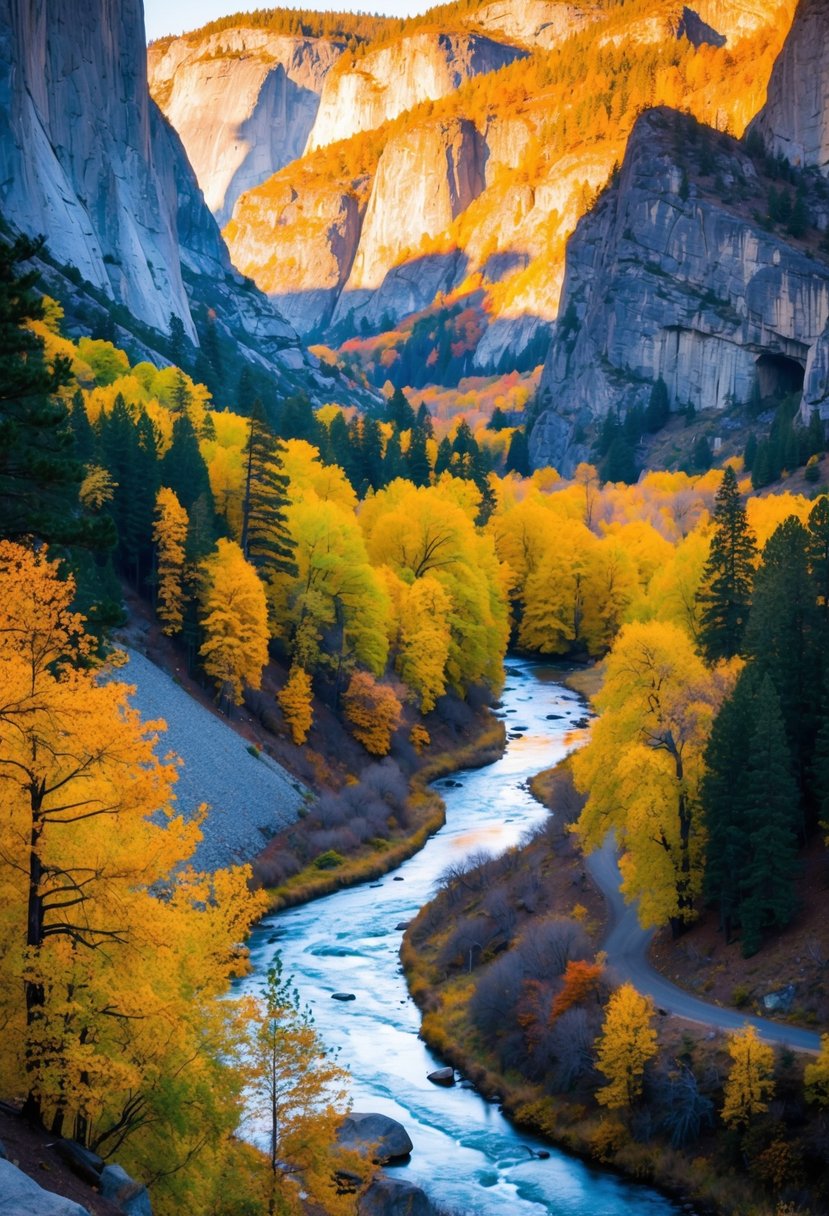
Fall is a beautiful time to visit Yosemite National Park. The changing leaves provide stunning views throughout the park. Many trees, like Bigleaf maples and California black oaks, turn vibrant shades of yellow and bronze.
In October, you can experience the beginning of fall foliage. This month offers cooler temperatures and fewer visitors, making it an ideal time for exploring. During this period, the scenery becomes even more picturesque.
Yosemite Valley is especially known for its fall colors. As you walk through this area, look for bright yellow leaves that outline the creeks. The beauty of the landscape is enhanced by the contrast of the colorful trees against the iconic granite cliffs.
To catch the best views, plan your visit in mid to late October. The colors peak around this time, creating a breathtaking backdrop for photography. Fall is not only quieter but also a great opportunity for enjoying the beauty of nature.
5: Winter Wonderland
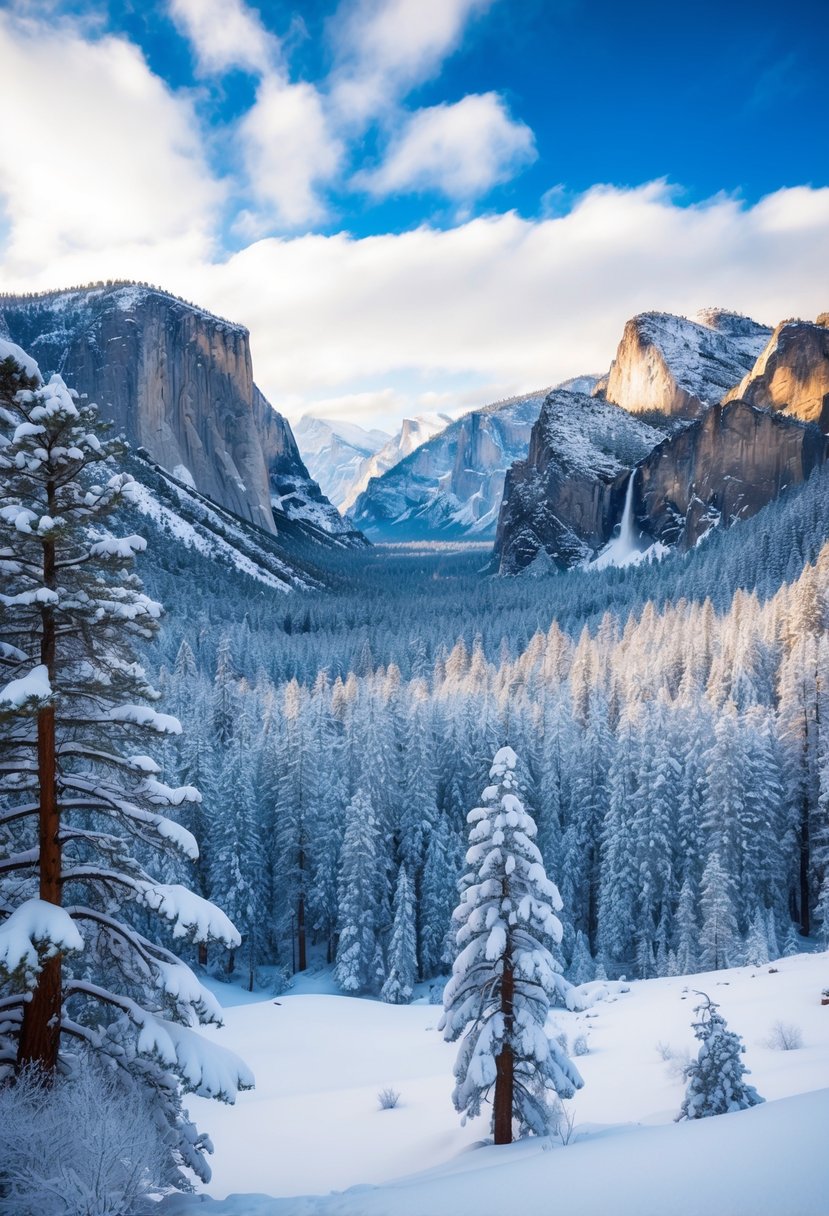
Visiting Yosemite in winter offers a unique experience. The park transforms into a serene wonderland, blanketed in snow. This creates beautiful views and a peaceful atmosphere.
You can enjoy winter activities like snowshoeing and skiing at Badger Pass. The snowy trails are perfect for exploring the park’s beauty. Just be prepared for cold weather and possible tire chain requirements.
Wildlife is often more visible in winter. Animals are easier to spot against the snowy landscape. The crisp air and quiet surroundings make for a refreshing visit.
Keep in mind that winter storms can affect accessibility. Some areas may close temporarily during big snowfalls. It’s wise to check the park’s conditions before your trip.
Winter holidays can attract crowds, so plan accordingly. Despite this, you can still find solitude in many areas. Yosemite in winter is a special time to connect with nature and enjoy its magic.
Climate and Weather Conditions
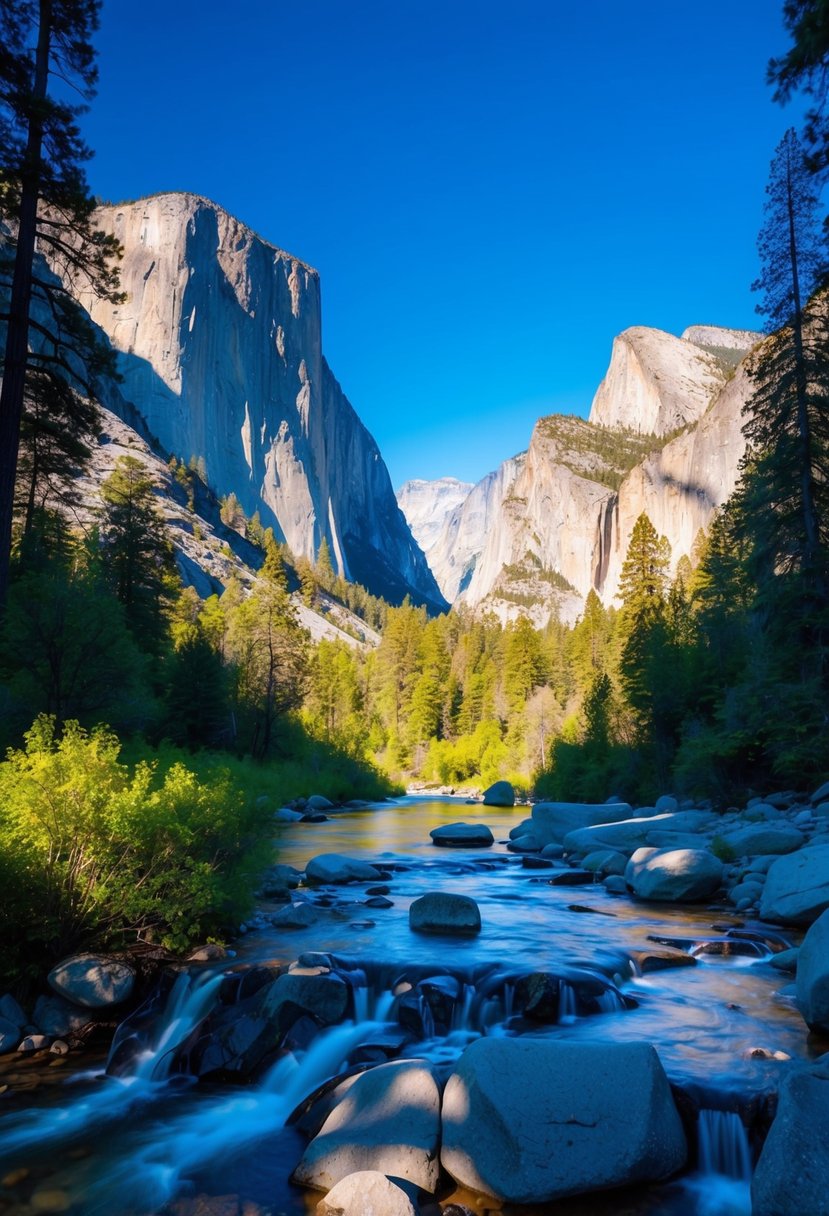
When visiting Yosemite National Park, understanding the climate and weather conditions is essential for planning your trip. The park experiences distinct seasonal weather patterns and variations in temperature due to its elevation.
Seasonal Weather Patterns
Yosemite has four main seasons, each offering unique experiences.
- Spring (March to May): Temperatures range from 40°F to 70°F. Snow melts, causing waterfalls to flow at full capacity, making this a popular time for visitors.
- Summer (June to August): Expect warm days with temperatures often exceeding 90°F in the valley. This is the park’s peak season, so trails become crowded.
- Fall (September to November): Daytime highs drop to 60°F and 70°F, with colorful foliage from changing leaves. Crowds decrease, and the weather remains pleasant.
- Winter (December to February): Cold temperatures, often between 20°F and 50°F, bring snow and fewer visitors. This creates a serene, peaceful atmosphere in the park.
Impact of Elevation on Weather
Elevation plays a significant role in Yosemite’s weather. The park ranges from about 4,000 feet to over 13,000 feet in elevation, leading to varying temperatures.
- At lower elevations, such as Yosemite Valley, summers are hot and dry. Nights can be cooler, dropping 20 degrees or more.
- As you ascend to higher elevations like Glacier Point, temperatures can be much cooler. Snow may linger into late spring, affecting accessibility.
- High-altitude areas can receive significant snowfall in winter, making them ideal for winter sports. However, this can also lead to road closures.
Be prepared for sudden weather changes, especially if you plan to hike or explore different elevations.
Visitor Experience by Season
Yosemite National Park offers unique experiences throughout the year. Each season has its own attractions and activities that can enhance your visit. Here’s what you can expect in spring and fall.
Spring Highlights
Spring is one of the best times to experience Yosemite. The waterfalls are at their peak, thanks to melting snow from the higher elevations. You’ll see impressive cascades, especially from late April to early June.
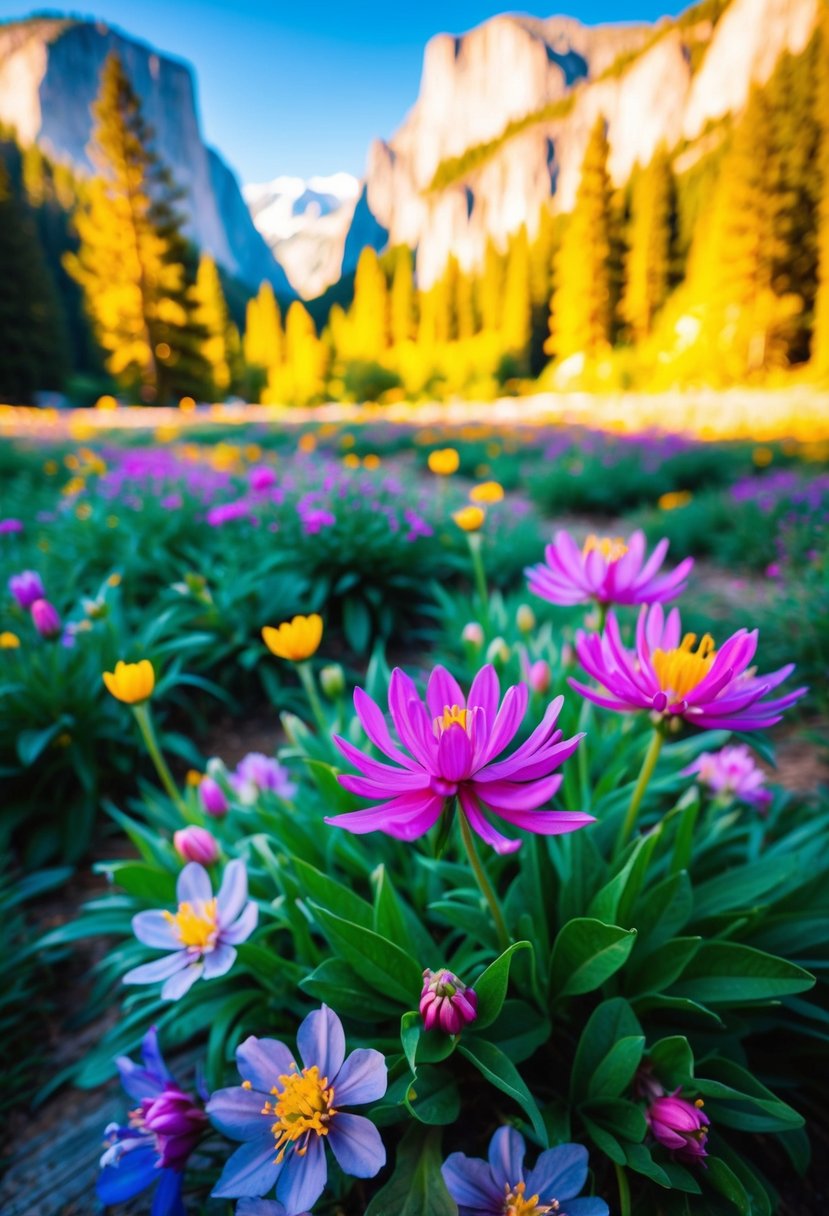
Wildflowers begin to bloom, adding color to the landscape. Dogwood trees create a stunning backdrop with their white blooms. Hiking trails become more accessible during this time, perfect for exploring Yosemite Valley.
Wildlife is also active in spring. You might spot deer, bears, and various bird species as they come out of hibernation. This season provides a chance to enjoy fewer crowds compared to the summer months.
Fall Attractions
Fall is another wonderful time to visit Yosemite. The crowds thin out as the summer tourist season ends, making your experience more peaceful. The weather is often still warm, perfect for outdoor activities.
The fall foliage is breathtaking. You’ll see vibrant reds, oranges, and yellows, especially around the park’s oak trees. Fall is great for photography, with the changing leaves providing stunning contrasts against the granite cliffs.
Additionally, many animals are visible as they prepare for winter. You can hike without the heat of summer, enjoying the fresh air and changing scenery. Popular trails remain accessible, allowing for a range of activities amidst beautiful autumn colors.
Frequently Asked Questions
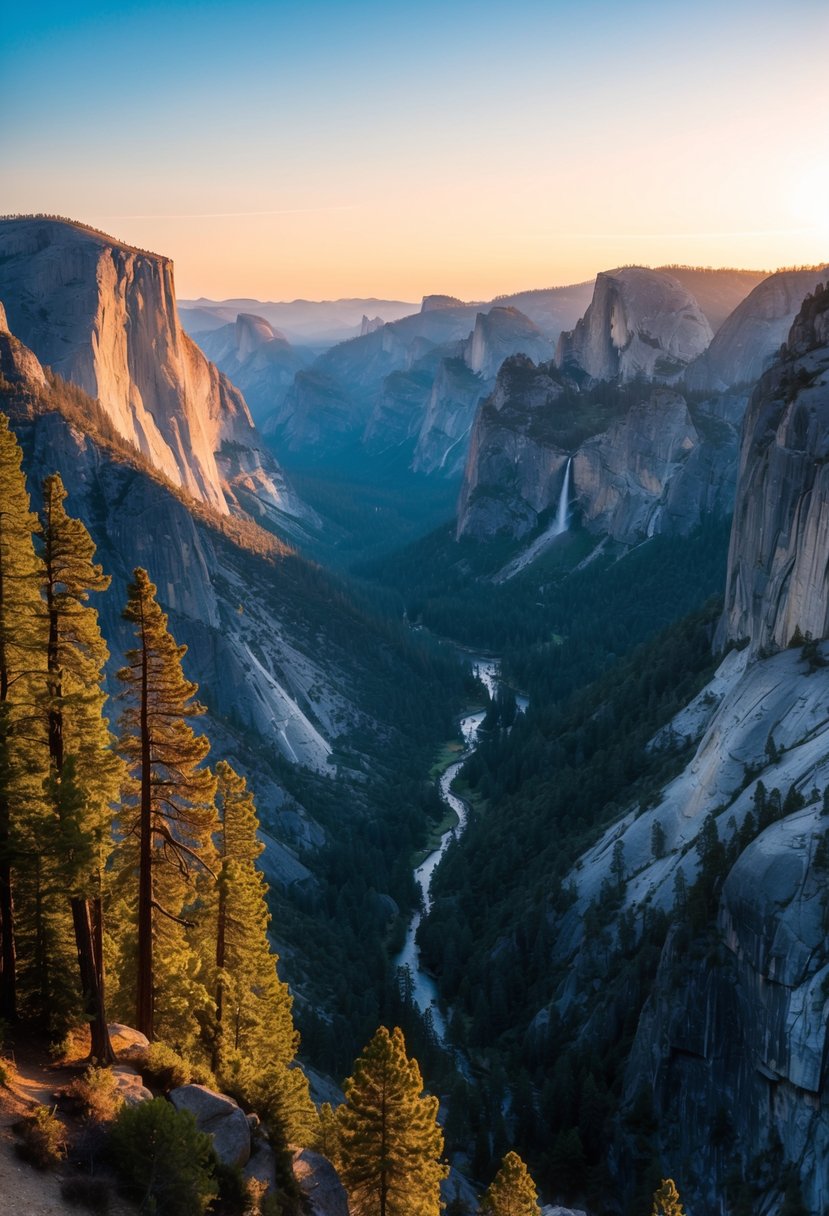
Visitors often have queries about the best times to enjoy Yosemite National Park. This section addresses common concerns about waterfall viewing, optimal visit duration, crowd levels, accessibility, and seasonal highlights.
What months offer the best waterfall viewing in Yosemite?
The best months for viewing waterfalls in Yosemite are typically from April to June. During this time, snowmelt from the surrounding mountains feeds the falls, making them spectacularly powerful.
How many days are recommended for a thorough visit to Yosemite National Park?
To explore Yosemite National Park thoroughly, you should plan for at least three to four days. This allows you to see key attractions like Yosemite Valley, Glacier Point, and Mariposa Grove without feeling rushed.
During which season is Yosemite National Park least crowded?
Yosemite is least crowded during the winter months, particularly from December to March. Many visitors avoid the park during this time due to cold weather, making it a peaceful time to explore.
Are there any months when Yosemite is inaccessible to visitors?
Yosemite can remain inaccessible during winter due to heavy snowfall, particularly in January and February. Certain roads and sites may close, so it’s essential to check conditions before your visit.
Is it advisable to visit Yosemite National Park during the winter months?
Visiting Yosemite in winter can be very rewarding. You can enjoy a serene winter landscape, fewer crowds, and activities like snowshoeing and cross-country skiing.
What are the benefits of visiting Yosemite National Park in the spring?
Spring offers blooming wildflowers and stunning waterfall views at their peak. Additionally, the weather in May is usually mild, making it a great time for hiking and sightseeing.