Best Time of Year to Visit Iceland: Exploring Seasons and Highlights
Knowing the best time of year to visit iceland can greatly enhance your experience, making it essential to plan your trip around key seasonal highlights. Iceland is a stunning destination known for its unique landscapes, vibrant culture, and thrilling activities. Each season in Iceland offers distinct experiences that can cater to various interests, from outdoor adventures to cultural festivals.
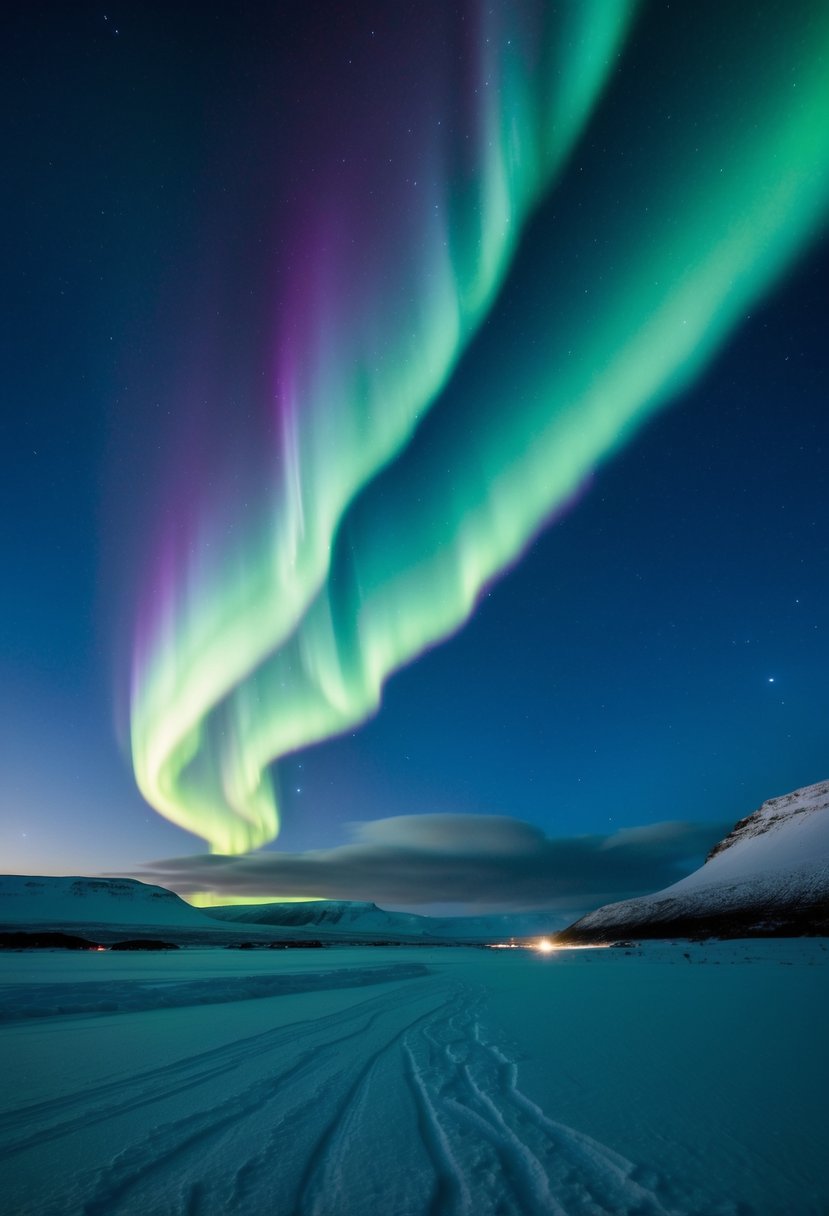
Understanding the climate and weather patterns will help in determining the right time for your visit. Popular activities, such as whale watching or viewing the northern lights, are tied to specific months and conditions. By choosing the right time to go, you can maximize your enjoyment and create unforgettable memories in this remarkable country.
1: March for Northern Lights
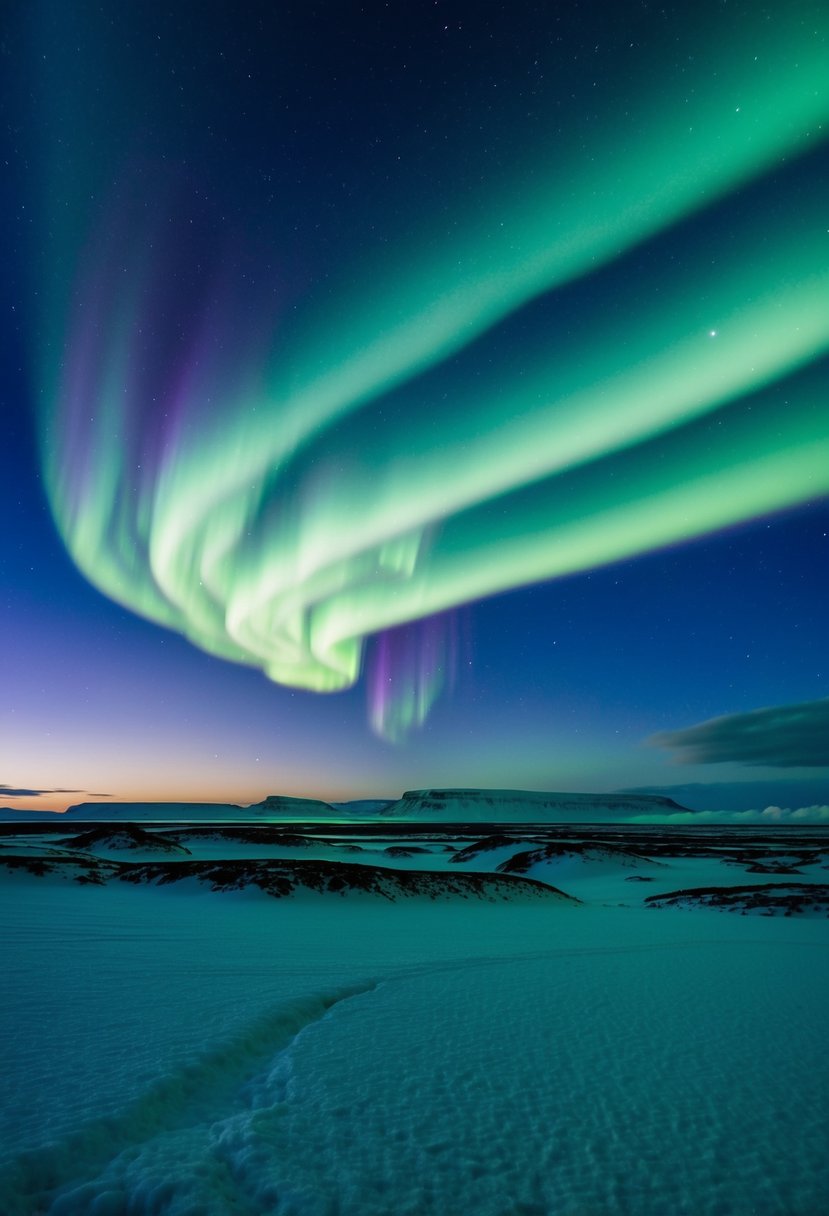
March is a great time to see the Northern Lights in Iceland. The winter months still hold long nights, giving you plenty of dark hours to catch this natural display.
As the month progresses, the weather begins to shift towards spring. This transition can lead to clearer skies, which are ideal for viewing the auroras. You can enjoy a good balance of cold temperatures without being too harsh.
You have many options for viewing the lights. You can join guided tours that take you to remote areas with little light pollution. Renting a car allows you to explore on your own, providing more flexibility.
Be sure to check aurora forecasts and plan for several nights. Patience is key, as the lights can be unpredictable. Staying in locations known for good sightings will enhance your chances of seeing this breathtaking phenomenon.
With March promising both exciting adventures and stunning views, it’s an excellent time for aurora enthusiasts. Make sure to have your camera ready to capture this unforgettable experience.
2: April for Waterfalls
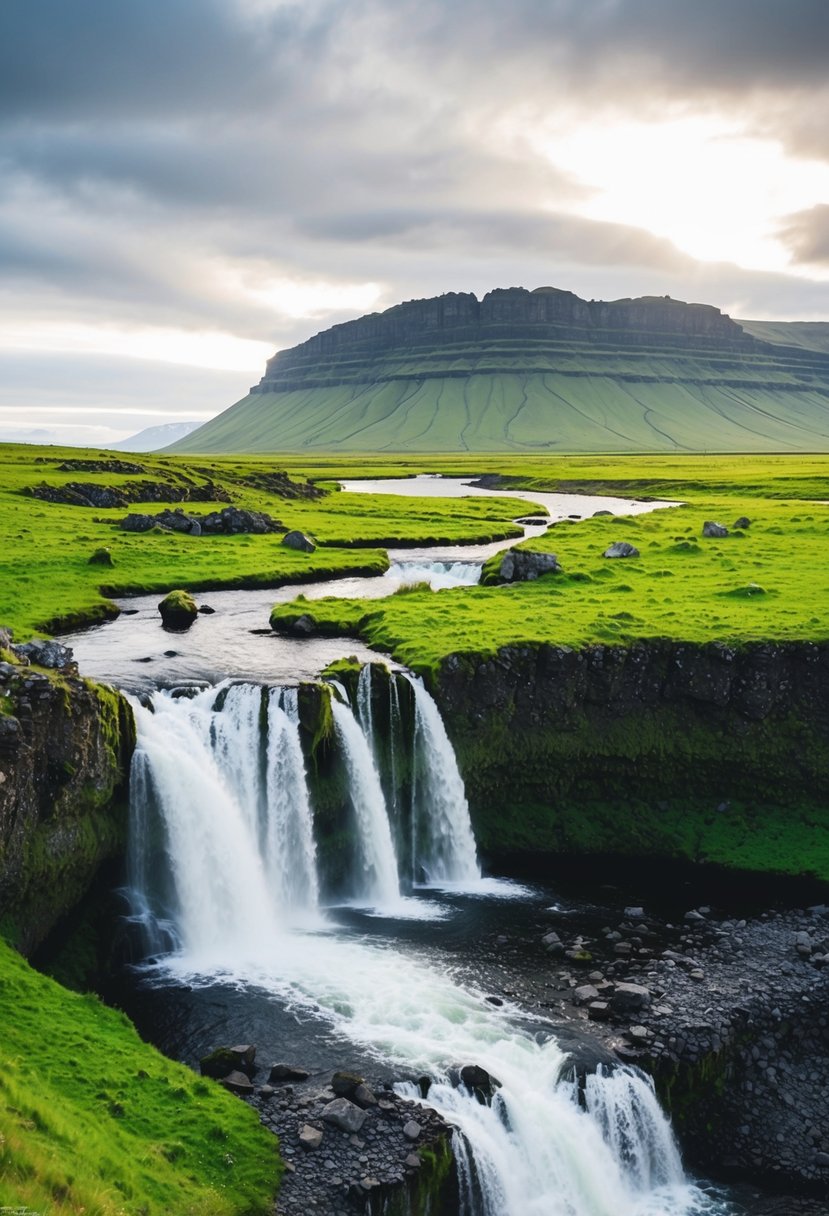
April is an excellent time to visit Iceland if you love waterfalls. As the snow begins to melt, the landscape transforms dramatically. You will see waterfalls flowing with increased intensity.
During this month, famous waterfalls like Gullfoss and Seljalandsfoss are particularly impressive. The combination of melting snow and occasional rain creates stunning displays. You can capture beautiful photographs of these natural wonders.
Springtime also brings longer daylight hours. You will enjoy up to 16 hours of light, giving you plenty of time to explore. The weather gradually becomes milder, making outdoor activities more comfortable.
April is not as crowded as the summer months. This means you can enjoy the beauty of Iceland’s waterfalls in relative peace. The combination of fewer tourists and breathtaking scenery makes April a prime time for a visit.
If you’re a nature lover, this month offers unique experiences. Witnessing the power of waterfalls in spring is something you won’t forget. Plan your trip to soak in the beauty of Iceland’s cascading waters.
3: June for Midnight Sun
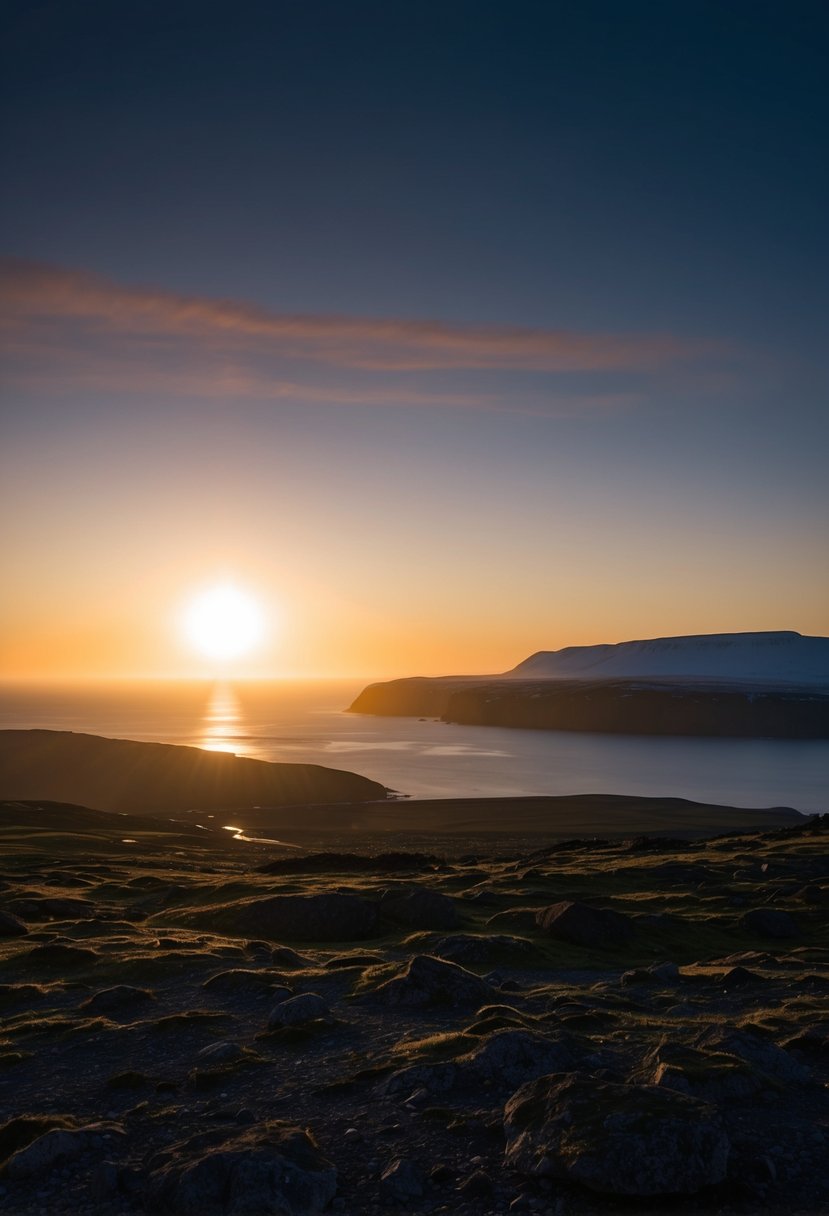
June is one of the best months to experience the midnight sun in Iceland. During this time, the sun barely dips below the horizon. You can enjoy nearly 24 hours of daylight.
This endless light creates magical opportunities for outdoor activities. You can explore stunning landscapes, hike, or visit waterfalls late into the evening. Many tourists find it exhilarating to see the sun shining at midnight.
The summer solstice occurs around June 21st, marking the longest day of the year. Local celebrations and events take place during this time, adding to the unique experience. You might join Icelanders in celebrating this special day.
The weather in June is usually mild. This makes it comfortable for exploring various attractions. Wildlife, like puffins and whales, is often more active during this month.
If you plan your visit in June, you can embrace the beauty of nature under the midnight sun. You will have ample time to enjoy everything that Iceland has to offer. This unique experience is perfect for those looking to make the most of their trip.
4: September for Fewer Crowds
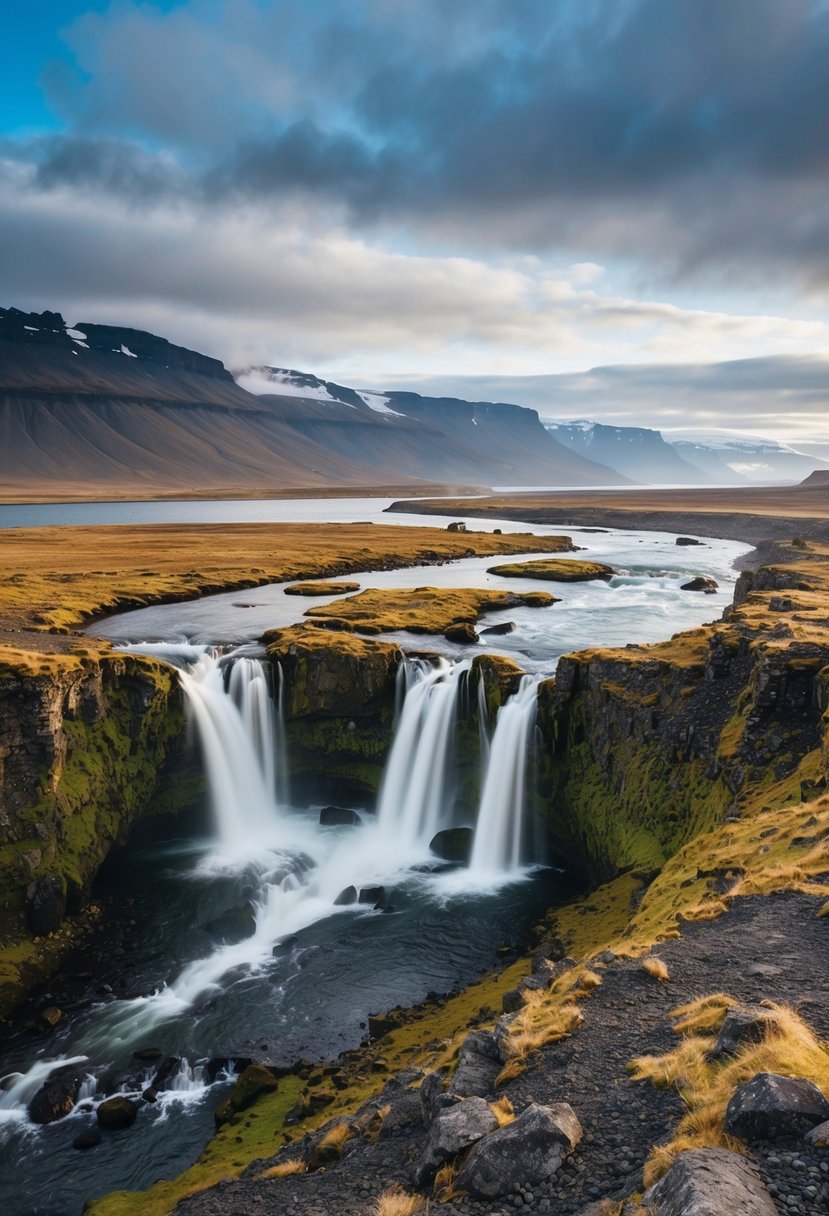
Visiting Iceland in September can be a great choice if you want to avoid large crowds. The summer tourists have mostly gone home, leading to a quieter experience.
In September, popular attractions are less crowded. This makes it easier for you to explore without long waits. You’ll have more space to enjoy the stunning landscapes and natural wonders.
The weather remains mild, with decent daylight hours. While it can be a bit unpredictable, you’ll find that some days are still quite pleasant.
September is also a good time for those interested in the Northern Lights. As the nights get longer, conditions improve for viewing this amazing natural phenomenon.
Overall, exploring Iceland in September offers a balance of fewer tourists and beautiful scenery. You can appreciate the charm of the country without the hustle and bustle of peak tourist season.
5: November for Ice Caves
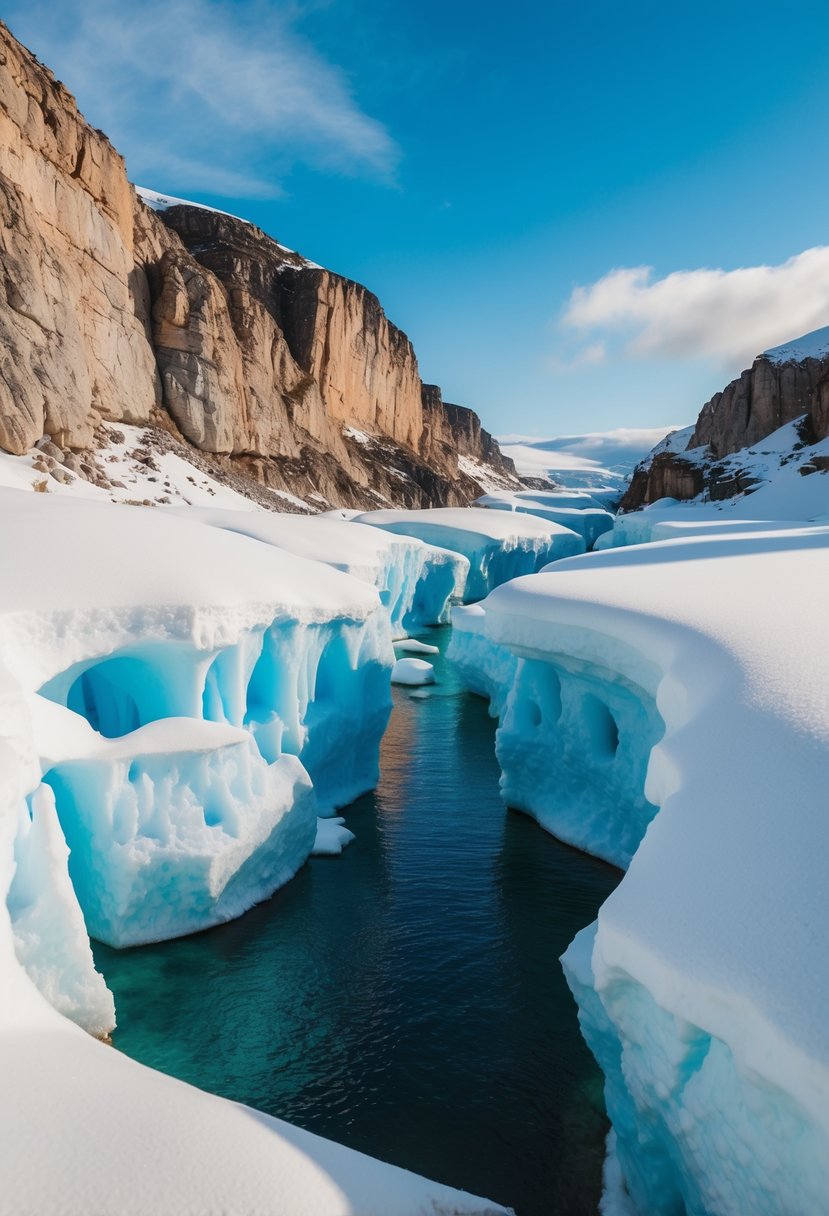
Visiting Iceland in November is a great choice for exploring ice caves. This month marks the beginning of the winter season when temperatures drop, creating the perfect conditions for ice formation.
The ice caves in Iceland, often called Crystal Caves, are stunning. They become accessible to visitors starting in mid-November. Guided tours are available to ensure safety and enhance your experience.
During this period, you will find that the caves are more stable. The ice structures have formed solidly, making your exploration both safe and enjoyable.
The unique blue ice and stunning formations create a magical atmosphere. You will feel like you are stepping into a winter wonderland.
Additionally, November is generally less crowded than peak winter months. This means you can enjoy a more intimate experience while exploring these natural wonders.
In summary, November offers the chance to witness the beauty of Iceland’s ice caves and enjoy a memorable adventure.
Weather Considerations
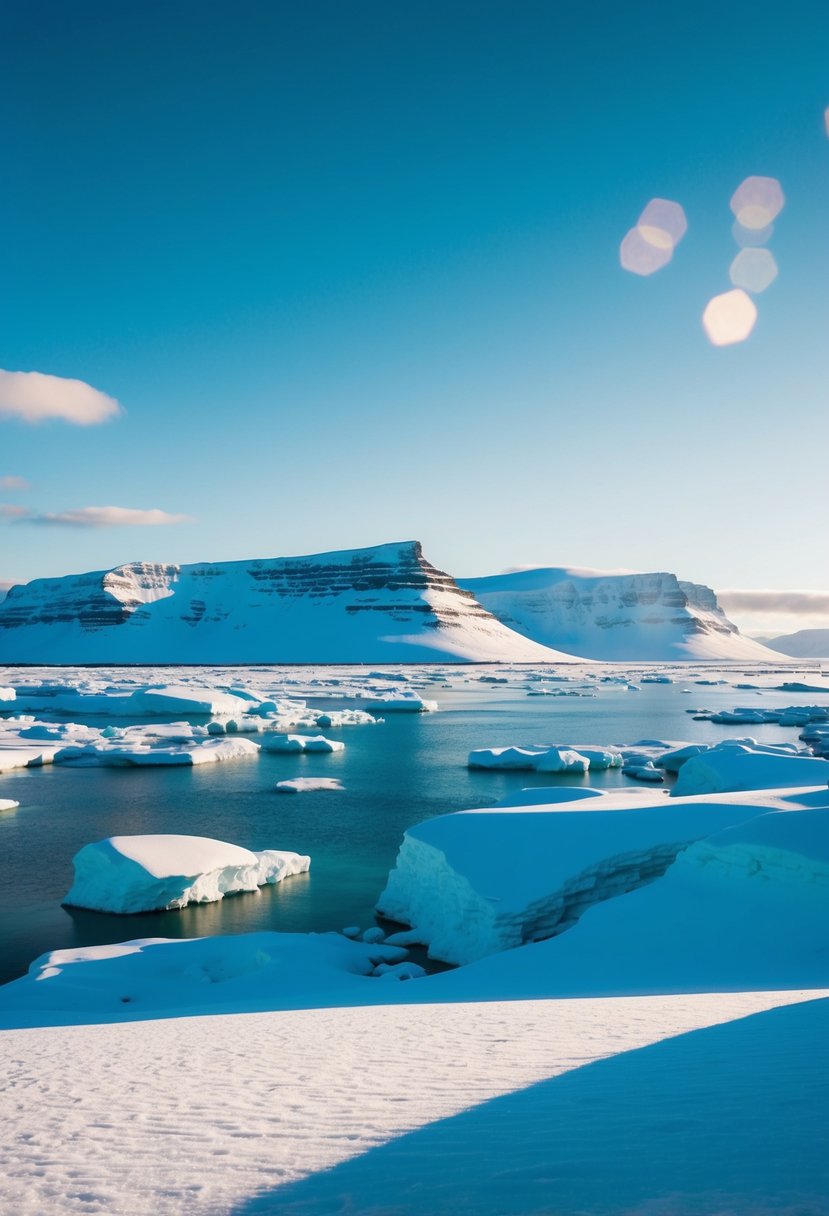
Knowing the weather conditions in Iceland is crucial for planning your trip. The climate varies greatly between seasons, affecting everything from activities to what to pack. Here are the main weather features to consider during winter and summer.
Winter Conditions
Winter in Iceland generally lasts from late November to late March. During this time, temperatures can drop to 20°F (-6°C) or lower in some areas. Coastal regions often have milder weather, while the highlands experience harsher conditions.
Snow is common, especially in the north. Expect shorter days with only a few hours of daylight. This can impact your travel plans, so be ready to adjust your itinerary. Roads may be icy, and some attractions could be closed.
Layering your clothing is necessary to stay warm. Use thermal wear, waterproof jackets, and sturdy boots. Sunlight can be fleeting, but the chance to see the Northern Lights increases significantly during these months.
Summer Climate
Summer runs from June to August, with the warmest temperatures reaching 70°F (21°C) or higher. This is when you will experience the longest days, including almost 24 hours of daylight in June.
The humidity is relatively low, making the warmth comfortable. Rain is possible but less frequent compared to other seasons. Popular sites are more accessible, and many tour operators run exciting adventures, such as whale watching and hiking in the highlands.
Pack lightweight clothing, good hiking shoes, and a rain jacket. You can also enjoy the vibrant landscapes with lush vegetation and numerous waterfalls. This is the prime time for photography, thanks to clear skies and breathtaking natural beauty.
Cultural Events
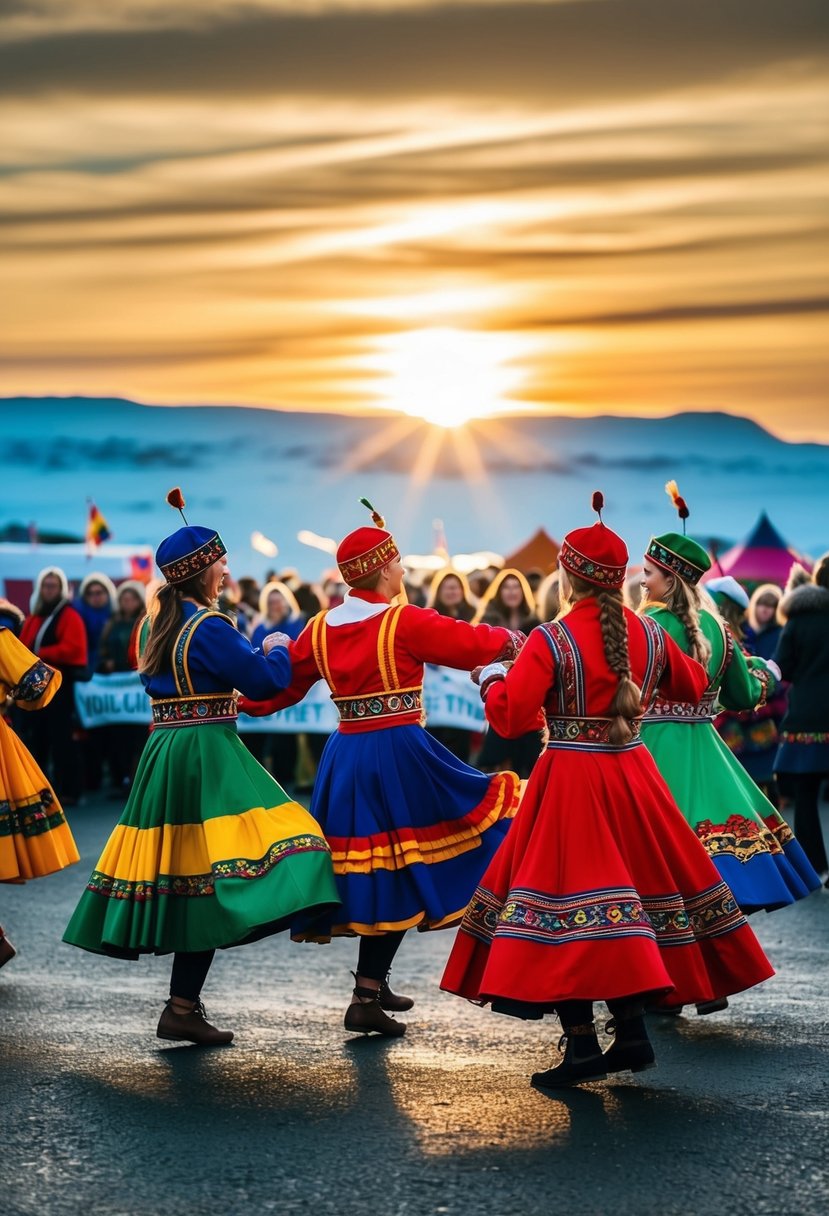
Iceland offers a unique blend of cultural events throughout the year. Engaging in these celebrations allows you to experience the country’s rich traditions and vibrant community spirit.
Festival Season
The summer months are packed with festivals that highlight Iceland’s arts and culture. One of the major events is the Reykjavík Arts Festival, held biennially in June. This festival showcases local and international artists through diverse performances, including music, theater, and visual arts.
Another important event is the Iceland Airwaves music festival, usually held in November. This festival attracts music lovers who come to enjoy live performances from both established and up-and-coming artists. It takes place in various venues around Reykjavík and is known for its lively atmosphere.
For something unique, check out the Þjóðhátíð festival in the Westman Islands during August. It’s a spectacular gathering featuring traditional music, dancing, and bonfires.
Local Traditions
Icelandic culture is steeped in traditions that are celebrated year-round. One such tradition is Þorramatur, a unique food festival that occurs in mid-winter. Locals enjoy traditional dishes, including fermented shark and pickled ram’s testicles, honoring their culinary heritage.
Another important event is the Yule season, where the 13 Yule Lads visit children during the 13 days leading up to Christmas. Each lad has his own personality and prank, creating excitement for families.
Additionally, in early spring, you will find celebrations for the arrival of the first day of summer, known as Sumardagurinn Fyrsti. This holiday marks a fresh start with various local events, parades, and outdoor activities. Engaging in these traditions provides a true sense of Icelandic life.