
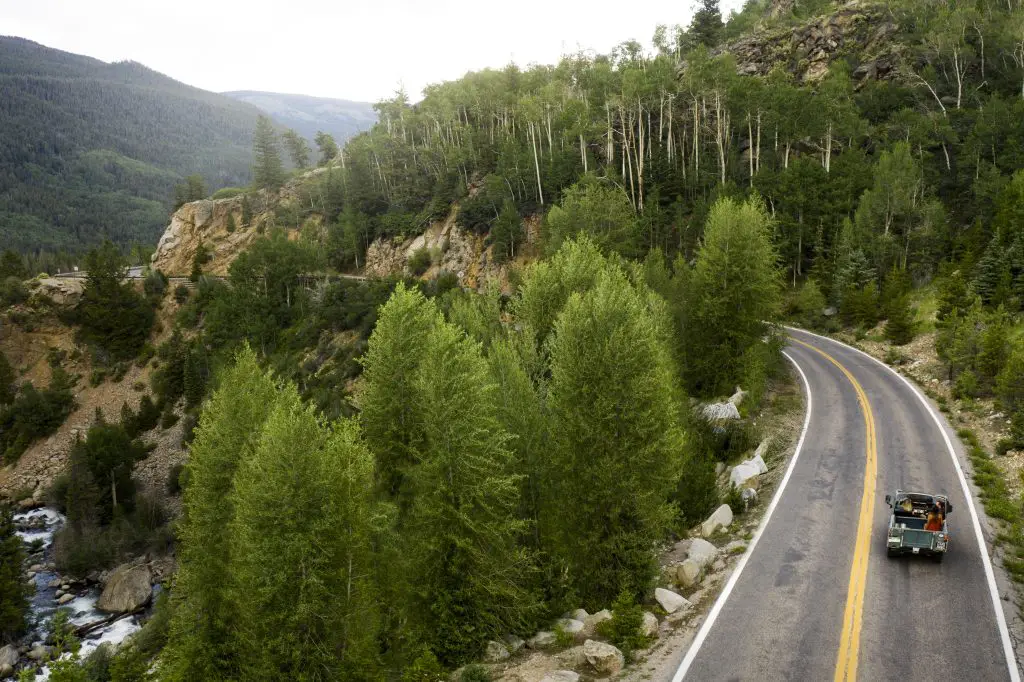
National park road trips offer an exciting way to explore the breathtaking beauty of nature across the country. From stunning landscapes to diverse wildlife, these journeys provide an opportunity for adventure and relaxation. You can create unforgettable memories while discovering the unique features of each park along your route.
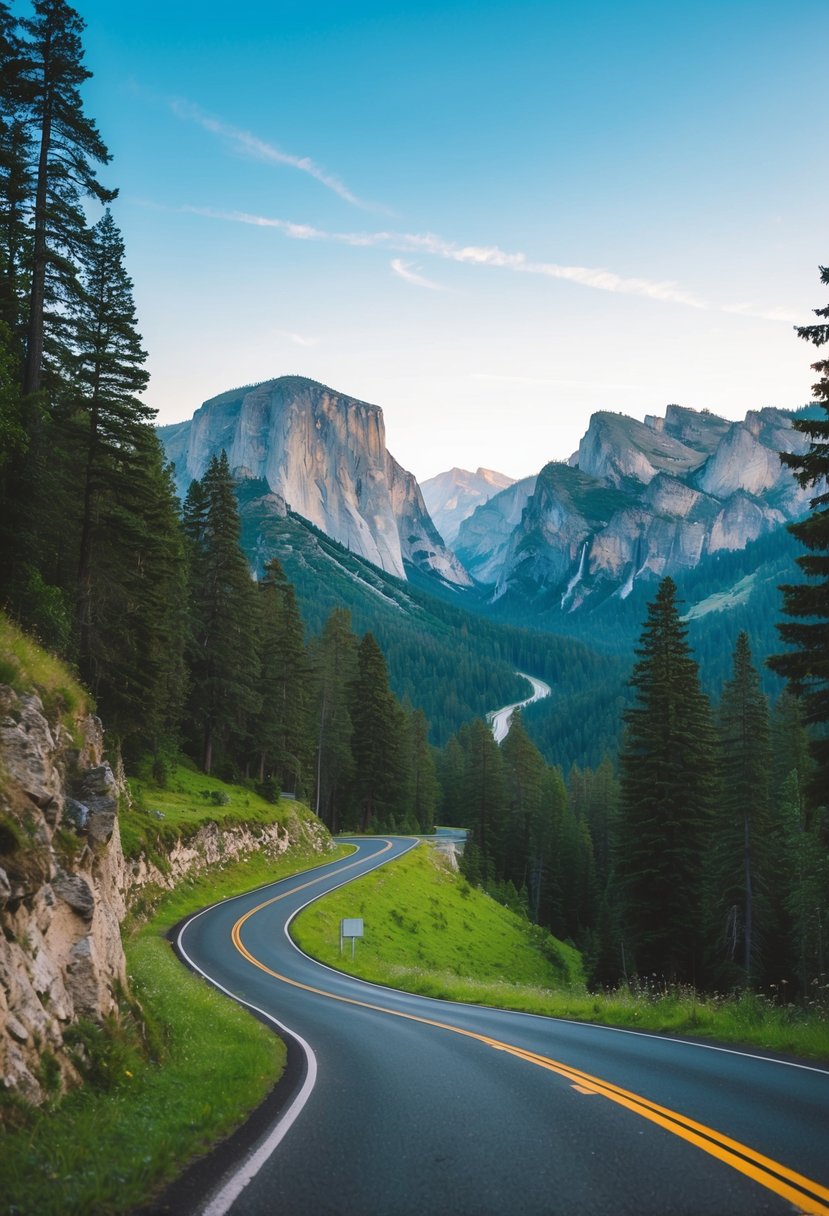
Whether you are seeking thrilling outdoor activities or peaceful moments in nature, planning a national park road trip can enhance your travel experience. You can connect with family and friends while enjoying the great outdoors. The journey itself becomes part of the adventure as you travel through varied terrains and climates.
1: Pacific Coast Highway, California
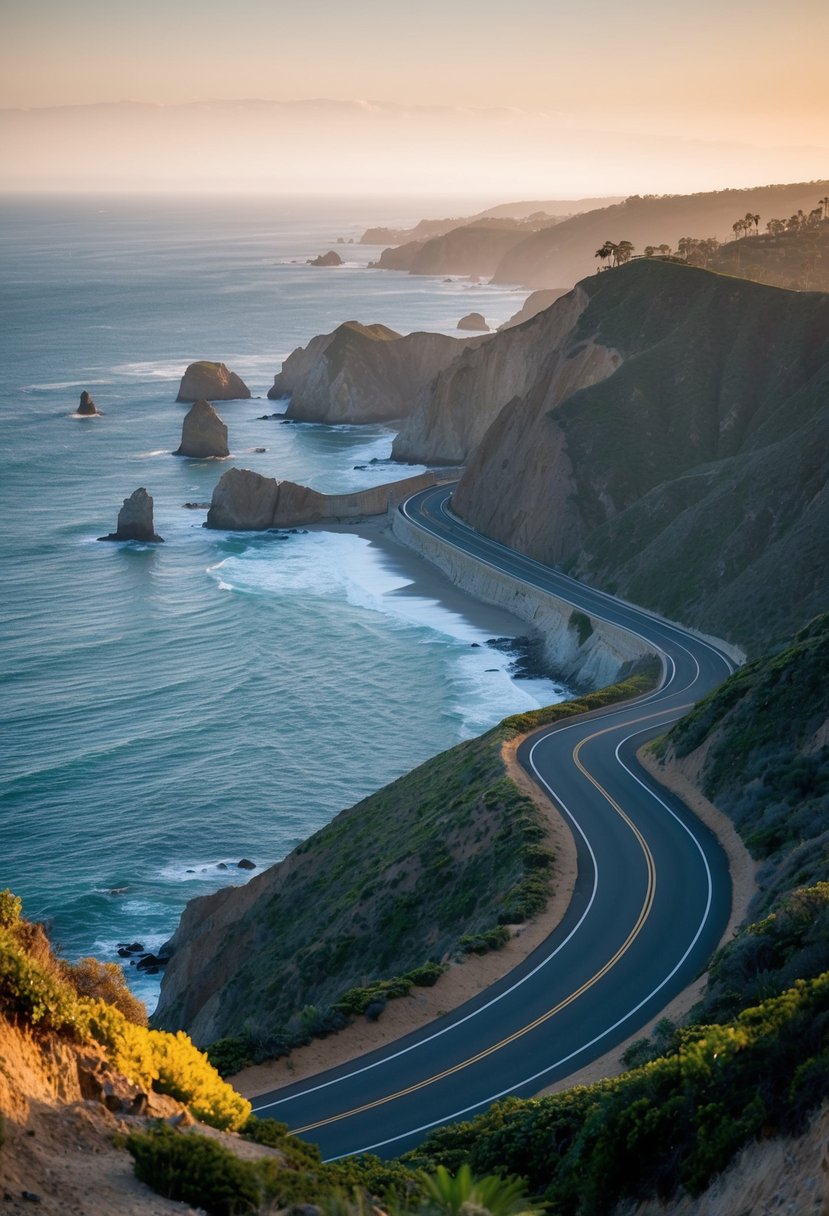
The Pacific Coast Highway (PCH) is one of the most scenic drives in the United States. Stretching about 780 miles along California’s coastline, it offers breathtaking views of the ocean and rugged cliffs.
You can start your journey in San Diego, exploring beautiful beaches and charming towns. As you travel north, you will encounter iconic spots like Los Angeles and Santa Barbara.
Further along, Big Sur provides stunning landscapes with its coastal views and parks. Be aware that some parts of this area may experience temporary closures due to landslides.
The PCH is not just about the drive; it has many attractions. Look for opportunities to hike, picnic, or visit local shops and restaurants.
Each stop offers unique experiences, from wine tasting in the Central Coast to seeing sea life along the coast. Prepare for a memorable adventure as you discover the rich beauty of California’s coastline.
2: Blue Ridge Parkway, Virginia to North Carolina
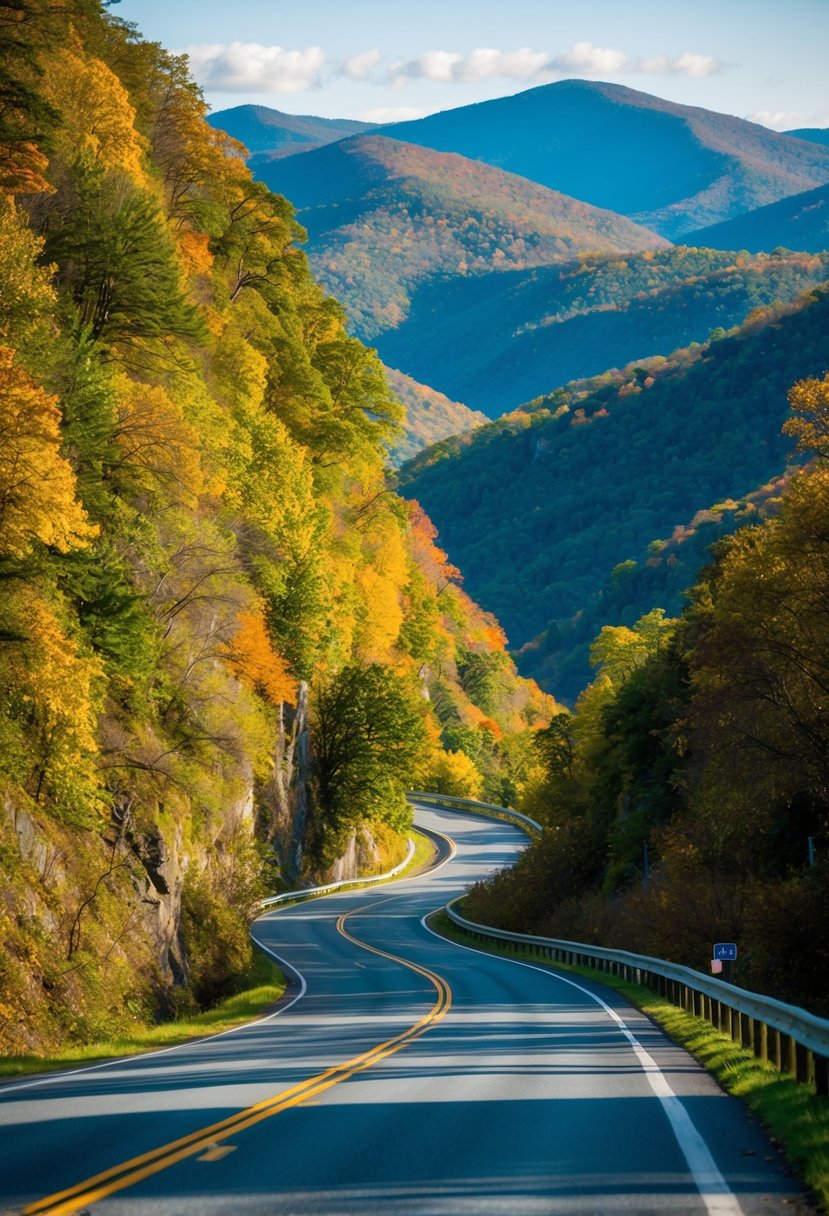
The Blue Ridge Parkway stretches 469 miles, connecting Shenandoah National Park in Virginia to Great Smoky Mountains National Park in North Carolina. This scenic highway is popular for its stunning views and rich cultural heritage.
You will experience beautiful landscapes as you drive along this route. Expect to see rolling mountains, lush forests, and vibrant wildflowers in spring and summer.
Take your time to explore the various trails and overlooks. There are many opportunities for hiking, picnicking, and photography.
Remember to stop at visitor centers for local information and maps. These resources can help you plan your stops along the way.
As you travel, the weather can change quickly in the mountains. Be prepared with layers and check conditions before your trip.
Best of all, there is no entrance fee for the Blue Ridge Parkway itself. This makes it an affordable adventure for families and solo travelers alike.
3: Going-to-the-Sun Road, Montana

Going-to-the-Sun Road is one of the most scenic drives in Glacier National Park. The road stretches about 50 miles, connecting the West Entrance to the St. Mary Entrance.
As you drive, you will climb to an elevation of 6,466 feet at Logan Pass. The views are breathtaking, providing stunning sights of mountains, valleys, and glacial lakes.
There are many turnouts along the road where you can stop and take pictures. Keep in mind that during peak season, vehicle reservations are needed for busy areas of the park.
The journey features only one switchback, making it an engineering marvel. Despite its steep climbs, it offers a smooth drive through rugged terrain.
In total, there are approximately 700 miles of trails for hiking if you want to explore further. Stopping to hike could give you a more personal view of the park’s beauty. For a memorable experience, plan your trip early in the morning to avoid crowds.
4: Scenic Byway 12, Utah
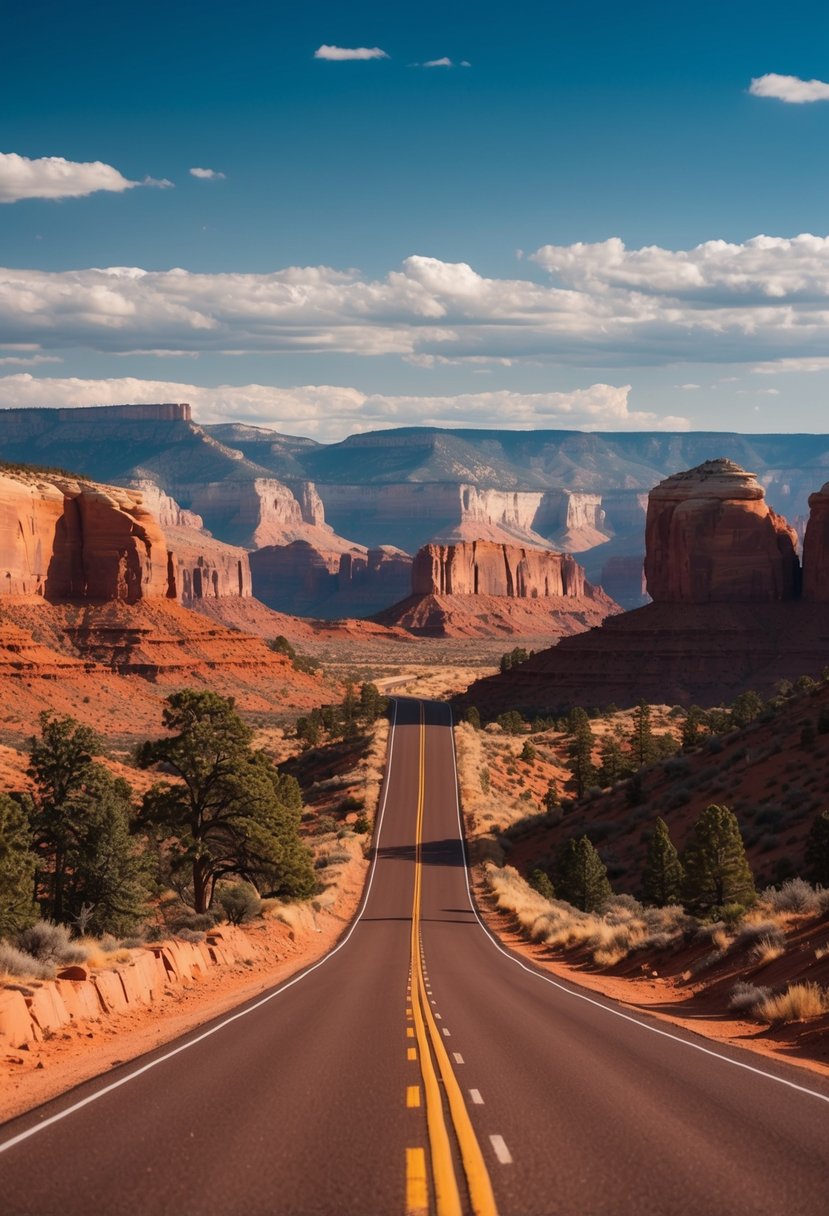
Scenic Byway 12 is one of Utah’s most beautiful drives. It connects Bryce Canyon National Park and Capitol Reef National Park, offering stunning views along the way.
You can complete the drive in about three hours, but you will want to take your time. This route features majestic canyons, scenic overlooks, and charming small towns.
Along the Byway, visit nearby parks like Kodachrome Basin and the Escalante Petrified Forest. Each stop offers unique landscapes and activities.
Plan to explore viewpoints and pull-offs that highlight the area’s natural beauty. Don’t forget your camera, as the views are breathtaking.
Whether you prefer hiking, photography, or simply taking in the scenery, Scenic Byway 12 has something for everyone.
Best Practices for Planning

When planning a national park road trip, choosing the right season and preparing your vehicle are crucial steps. These decisions can greatly affect your experience, from weather conditions to vehicle performance on various terrains.
Choosing the Right Season
The season you choose can make a big difference in your trip. Each national park has peak, shoulder, and off-peak seasons, with unique benefits and drawbacks.
Spring: This season often brings blooming flowers and comfortable temperatures. However, some trails may still be muddy from melting snow.
Summer: This is the peak season for most parks, with full access to trails and activities. Expect larger crowds and hotter temperatures. Reservations may be necessary.
Fall: Fall offers stunning foliage and cooler weather. This is often considered one of the best times to visit due to fewer crowds.
Winter: While some parks may close or offer limited access, winter provides a unique experience for snowshoeing and skiing.
Preparing Your Vehicle
Before you hit the road, ensure your vehicle is ready. Start with a thorough inspection to avoid issues during your trip.
- Oil Change: Check the oil and change it if it’s due. Clean oil is essential for engine health.
- Tires: Inspect the tires for wear and proper inflation. Consider carrying a spare in case of emergencies.
- Cooling System: Check the coolant level and ensure the radiator is in good working order, especially during hot summer months.
- Emergency Kit: Pack a kit that includes a first-aid kit, flashlight, extra water, and snacks. Having these supplies can be lifesaving.
Taking these steps helps ensure a smooth and enjoyable road trip.
Scenic Routes and Hidden Gems

Exploring national parks can lead you to breathtaking views and unique trails that many might miss. By choosing the right routes and discovering hidden gems, you enhance your road trip experience.
Off-the-Beaten-Path Trails
When seeking quieter paths, consider Petrified Forest National Park in Arizona. The Blue Mesa Trail offers stunning views of colorful badlands and fossilized trees. It’s less crowded, providing a peaceful experience.
In Badlands National Park, the Notch Trail delivers dramatic landscapes and a rewarding view overlooking the canyon. This trail features a fun ladder climb, making it both an adventure and a chance to see wildlife.
If you’re in Yosemite, explore the less-traveled North Dome Trail. It leads you to panoramic vistas with fewer hikers, showcasing the beauty of the valley.
Iconic Roadside Views
Driving through national parks often presents iconic roadside stops. In Grand Canyon National Park, the Desert View Drive offers several overlooks, each providing unique perspectives of the canyon’s vastness. Don’t miss the Desert View Watchtower for a cultural and scenic experience.
On the Pacific Coast Highway, passing through Point Reyes National Seashore allows for breathtaking coastal views. Watch for wildlife such as elephant seals basking on the beaches.
In Zion National Park, Zion-Mount Carmel Highway features stunning viewpoints like Canyon Junction. Stop here for excellent photo opportunities of the towering cliffs.
These routes and trails will enrich your journey through America’s national parks, allowing you to capture unforgettable moments.