How to Travel with a Dog in a Car: Essential Tips for a Safe Journey
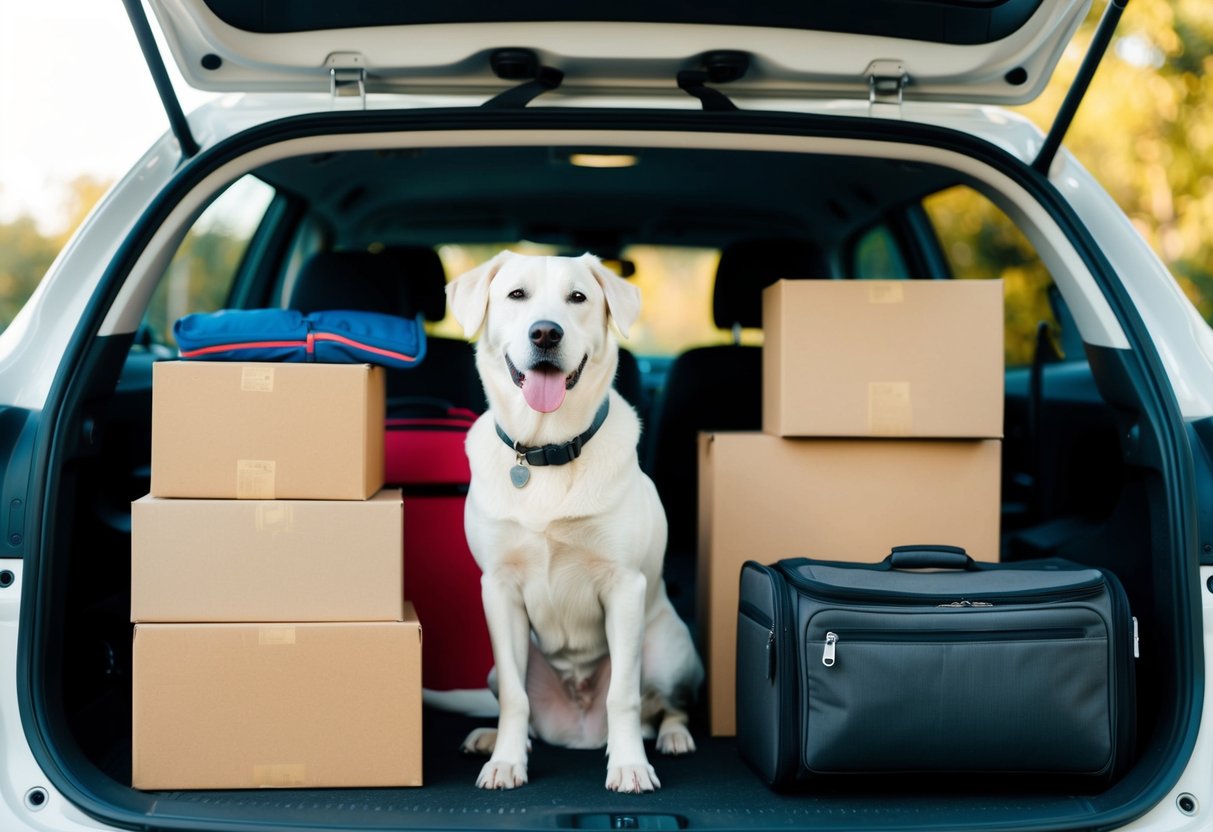
Traveling with a dog in a car can be an enjoyable experience for both the pet and the owner. Proper preparation is essential to ensure that the journey is safe and comfortable. Understanding how to plan and pack for a car trip with a dog can make all the difference in having a positive travel experience.
Many pet owners may wonder about the best practices for keeping their dogs secure and happy during long drives. There are various strategies to address common challenges, from managing motion sickness to providing necessary supplies. Knowledge about these tips can set a strong foundation for successful trips ahead.
1: Ensure Proper Restraint
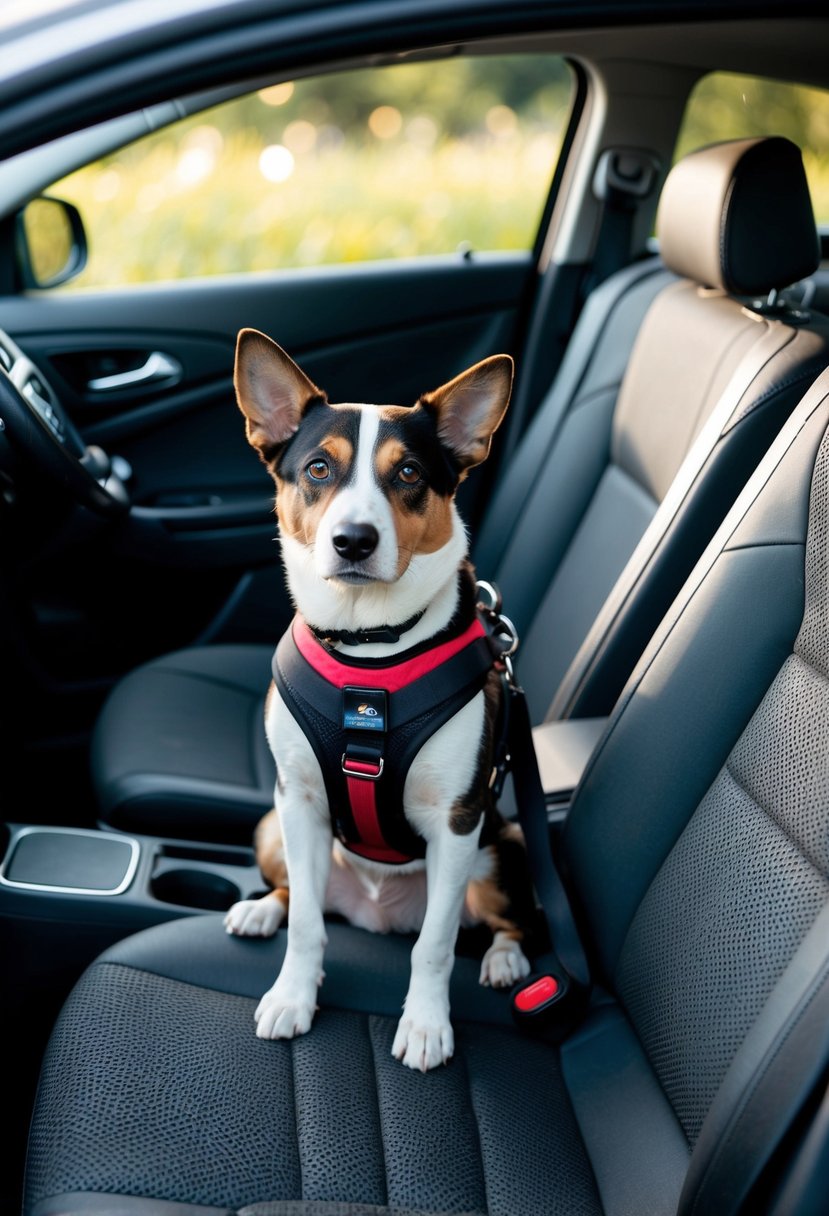
When traveling with a dog in a car, proper restraint is essential for safety. It protects both the dog and the passengers. Here are five key options for securing a dog:
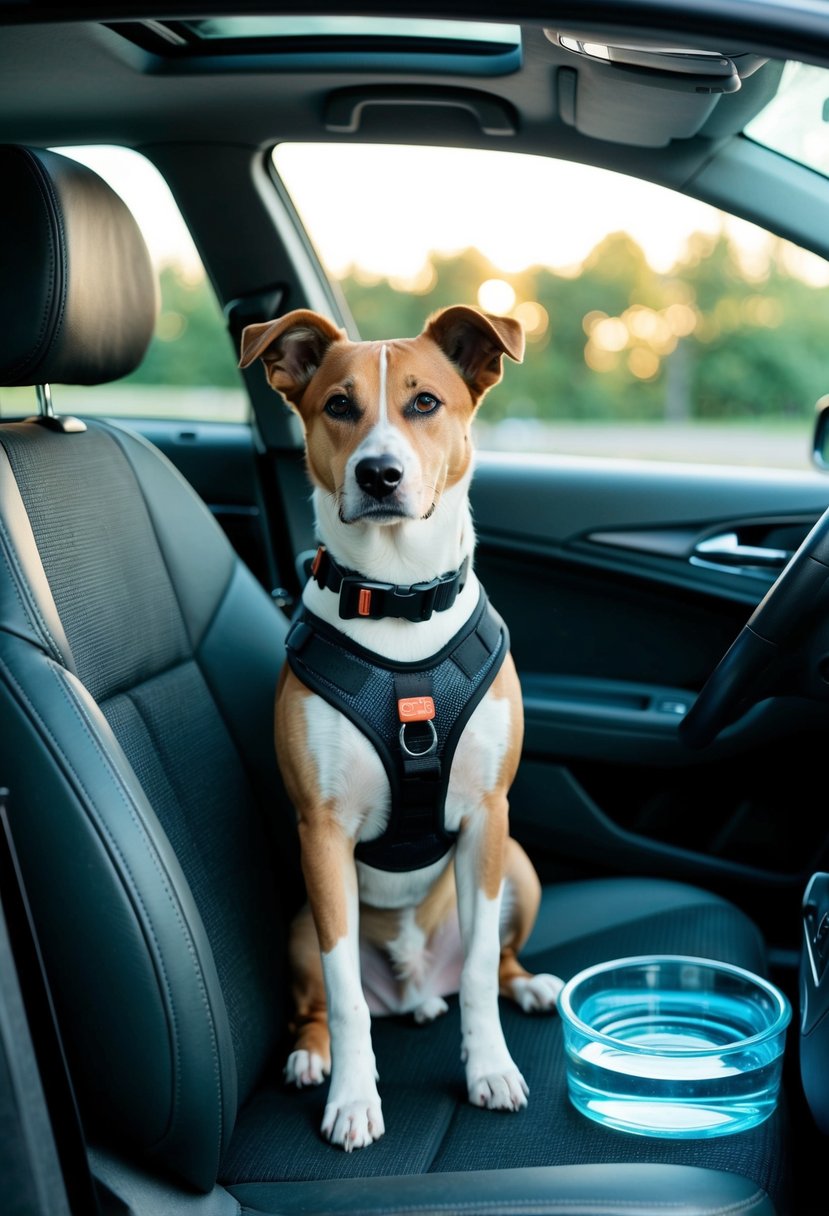
- Dog Seat Belts: These harnesses attach to the car’s seat belt system. They keep the dog secure and prevent distractions.
- Travel Crates: A sturdy travel crate can limit movement. Crates with ventilation and padding add comfort and safety during trips.
- Car Seats for Dogs: These elevated seats allow smaller dogs to see out the window while keeping them secure.
- Barrier Systems: A barrier can separate the dog from the driver. This helps prevent the dog from jumping into the front seat.
- Safety Guidelines: It’s important to ensure that any restraint is the right size. Checking that it’s properly secured in the vehicle also helps prevent accidents.
Using these restraint methods makes car travel safer for everyone.
2: Invest in a Pet Barrier
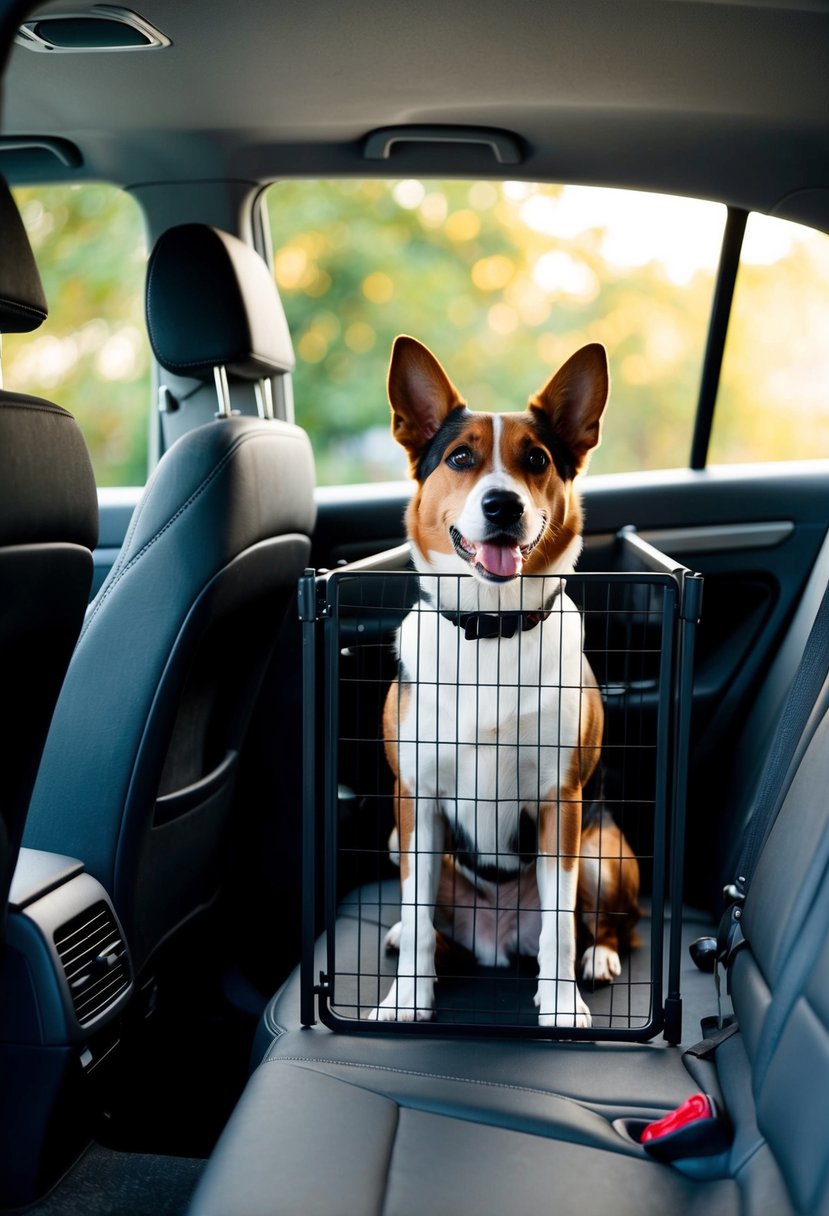
A pet barrier is essential for safe travel with a dog in a car. It helps keep the dog secure while allowing the driver to focus. Here are some benefits of investing in one:
- Safety: A barrier keeps the dog from moving to the front seat. This reduces distractions while driving.
- Security: It prevents the dog from jumping out of the car when doors open. This is important during stops.
- Comfort: A barrier can create a separate area for the dog. This can help the pet feel more secure and comfortable.
- Variety of Options: There are many types, such as nets, gates, or custom-built barriers. This means there is an option for every vehicle type.
- Easy Installation: Most barriers are easy to install and remove. This allows flexibility for different trip needs.
Using a pet barrier can enhance safety for both the driver and the dog. It is a useful investment for anyone who travels with their pet.
3: Bring Favorite Toys
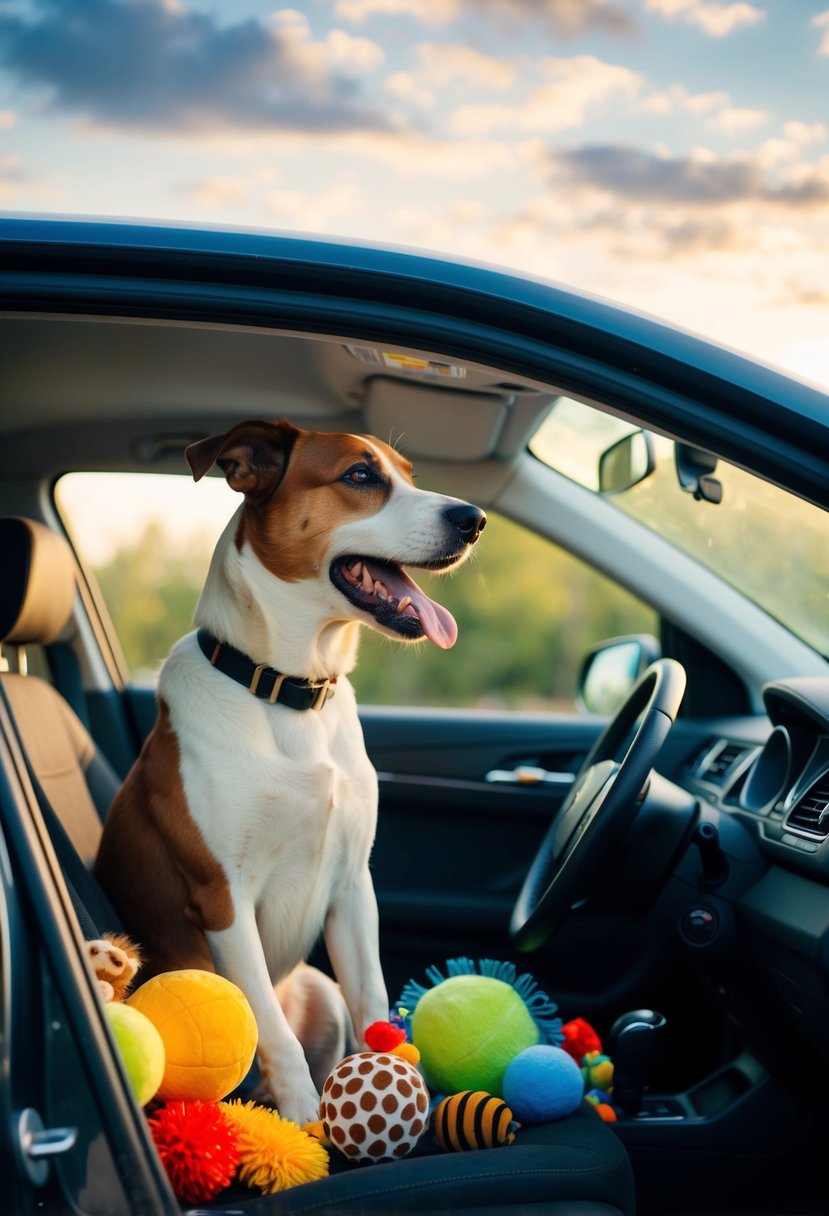
Bringing favorite toys can make a car trip with a dog much easier. Familiar items help comfort pets during travel.
Here are some important toys to consider:
- Chew Toys: These keep dogs entertained and can help reduce anxiety.
- Interactive Toys: Toys that require play, like puzzle toys, stimulate the mind and keep them busy.
- Stuffed Animals: A beloved stuffed toy can provide comfort during long rides.
- Tug Toys: These allow for interactive play during breaks, which helps release energy.
- Squeaky Toys: They attract a dog’s attention and can make car rides more enjoyable.
Having these items can help the dog feel secure and happy while traveling. It also gives the owner peace of mind knowing their pet is engaged and relaxed.
4: Use Comfortable Crate
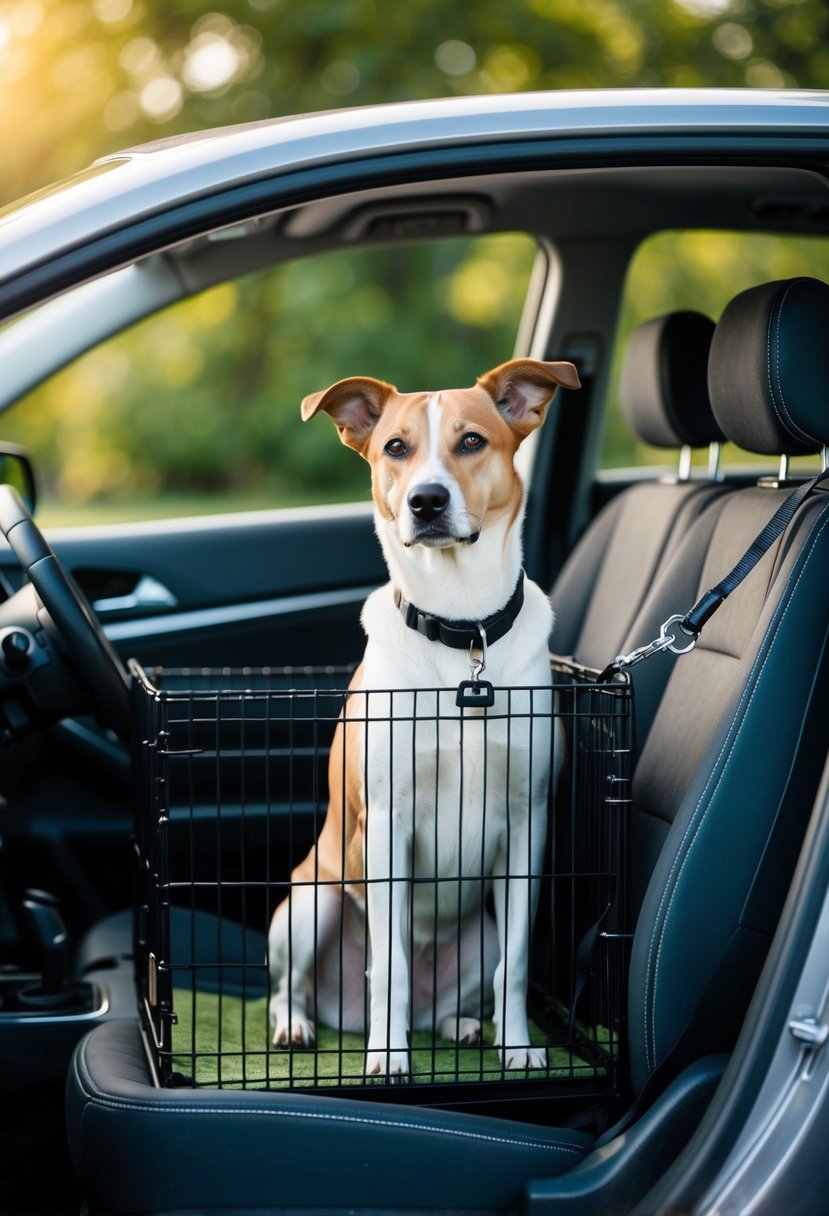
Using a comfortable crate ensures safety and reduces anxiety for dogs during car travel. A crate should provide enough space for the dog to stand, turn around, and lie down comfortably.
Here are some key points to consider when choosing a crate:
- Size Matters: The crate must fit the dog’s size. It should not be too big or too small.
- Choose the Right Material: Crates come in various materials, including plastic and fabric. Each has its own benefits, such as durability and ventilation.
- Ventilation is Key: Look for crates with proper ventilation holes. This keeps the air flowing and helps the dog stay cool.
- Familiar Items: Adding a blanket or toy from home can make the crate feel more familiar. This helps reduce stress during the trip.
- Secure the Crate: Make sure to secure the crate in the vehicle. It should not move during travel to keep the dog safe.
Using a comfortable crate contributes to a positive travel experience for both the dog and the owner.
5: Schedule Regular Breaks
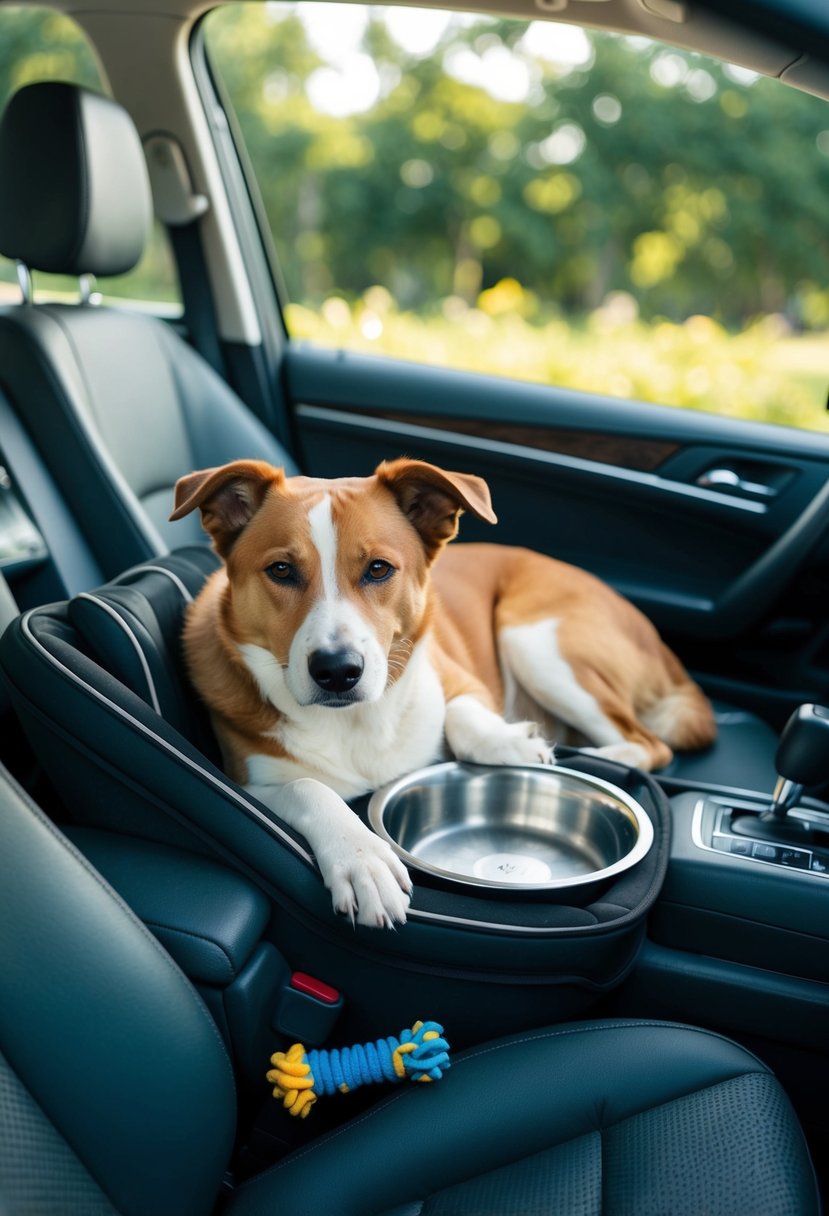
It is vital to schedule regular breaks during a car trip with a dog. These breaks help ensure the dog’s comfort and safety.
- Time Interval: Plan to stop every two to three hours. This allows the dog to stretch and relax.
- Duration of Breaks: Each break should last about 15 to 30 minutes. This gives enough time for physical activity and bathroom needs.
- Hydration: Offer fresh water during the breaks. Dogs can get thirsty, especially in warm weather.
- Potty Time: Allow the dog to relieve itself at each stop. Keeping to a routine helps reduce stress.
- Exercise: Use breaks to let the dog walk around. Short walks help burn off excess energy and keep the dog calm.
By following these guidelines, traveling with a dog can be more enjoyable for both the dog and the owner. Taking regular breaks can reduce anxiety and make the journey more pleasant.
6: Pack Water and Food
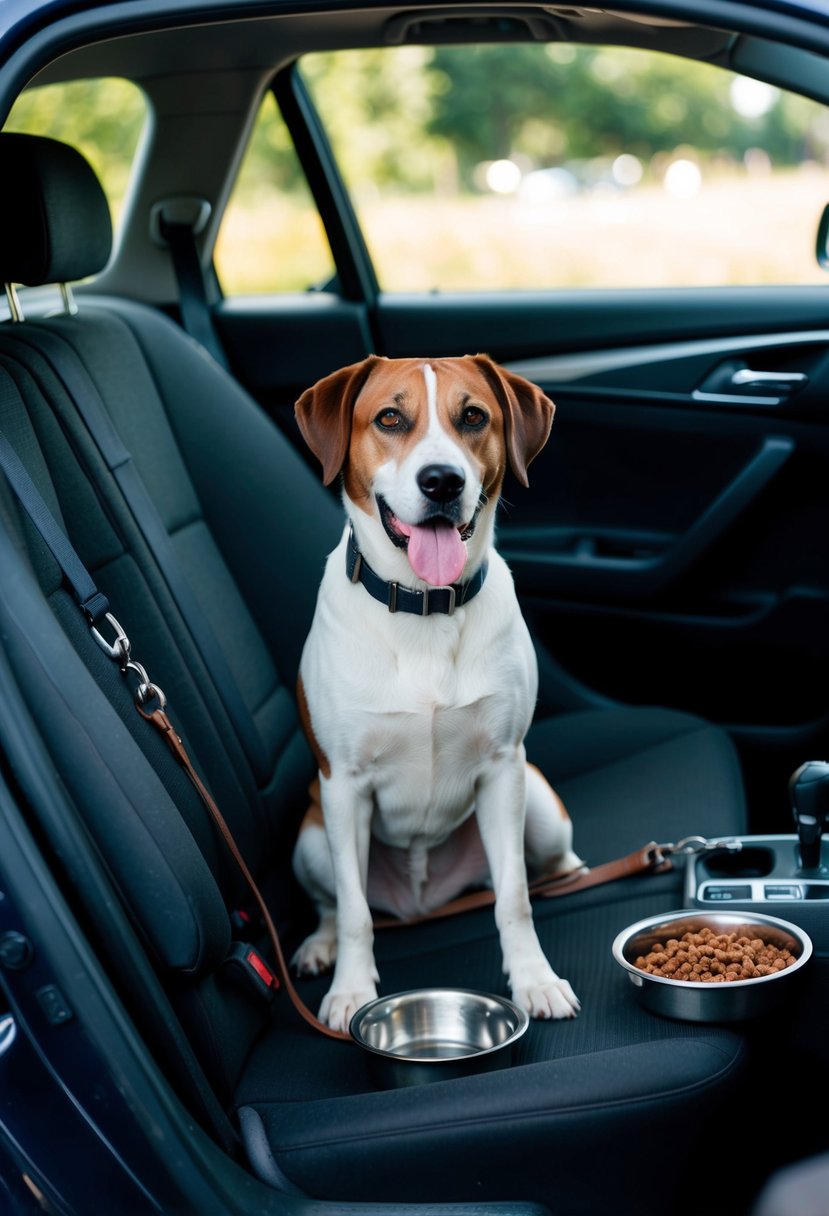
Packing enough water and food is essential for any road trip with a dog. Proper preparation ensures pets stay healthy and happy during travel.
- Water: Bring extra jugs of water. This is especially important if the dog is sensitive to changes in water.
- Collapsible Bowls: Use collapsible bowls for food and water. They save space and make feeding easier while on the road.
- Dog Food: Pack enough dog food for the entire trip, plus some extra. This prevents running out or facing brand changes that can upset their stomach.
- Limit Food Before Travel: Reduce the dog’s food intake before hitting the road. This minimizes the risk of motion sickness.
- Snacks: Include some favorite snacks for treats during stops. This can keep the dog calm and happy during the journey.
Preparing food and water ahead of time simplifies the travel experience. It also helps avoid unnecessary stress for both the pet and the owner.
7: Create a Calm Environment
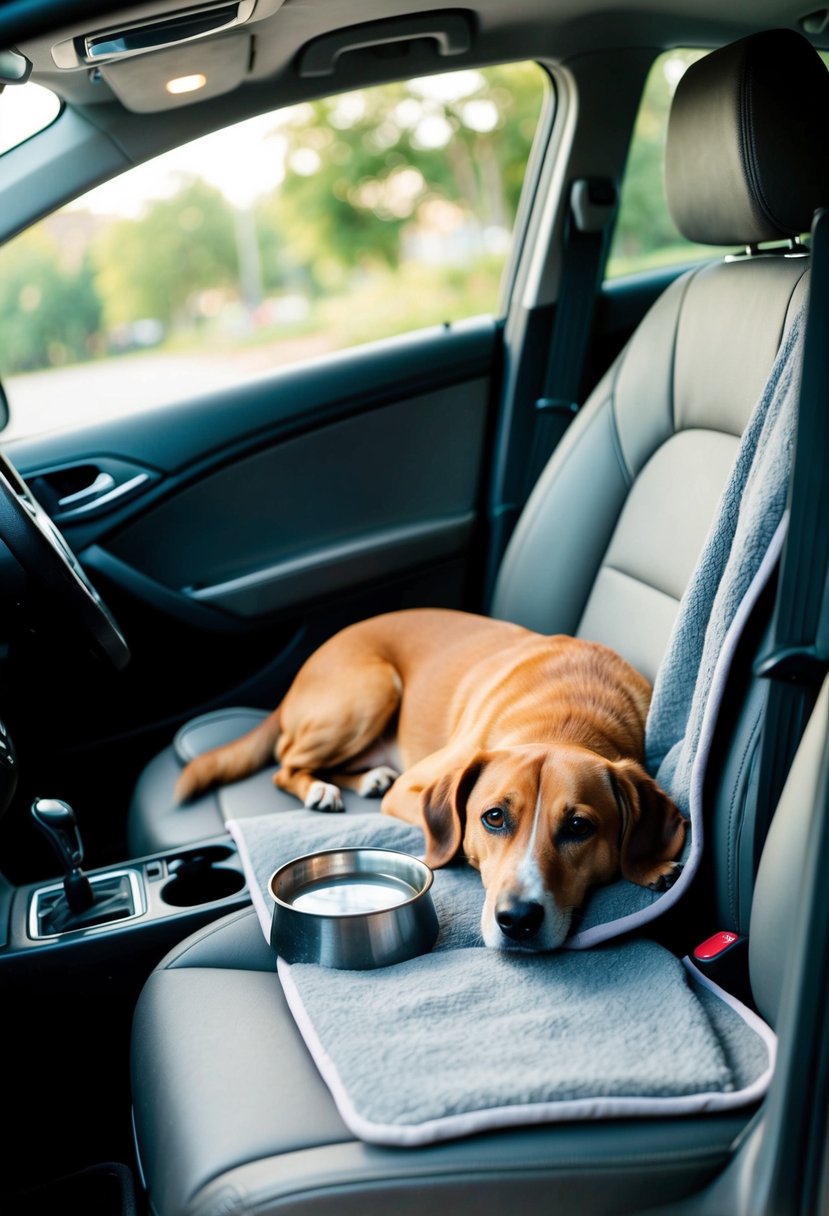
Creating a calm environment for a dog in the car is essential for a stress-free journey. Here are some effective tips:
- Soothing Music: Playing soft music can help relax a dog. The right tunes can create a peaceful atmosphere.
- Comfort Items: Bringing along familiar items like a favorite blanket or toy can provide comfort. This gives the dog a sense of security during travel.
- Temperature Control: Keeping the car at a comfortable temperature helps prevent stress. A cool, well-ventilated space is ideal.
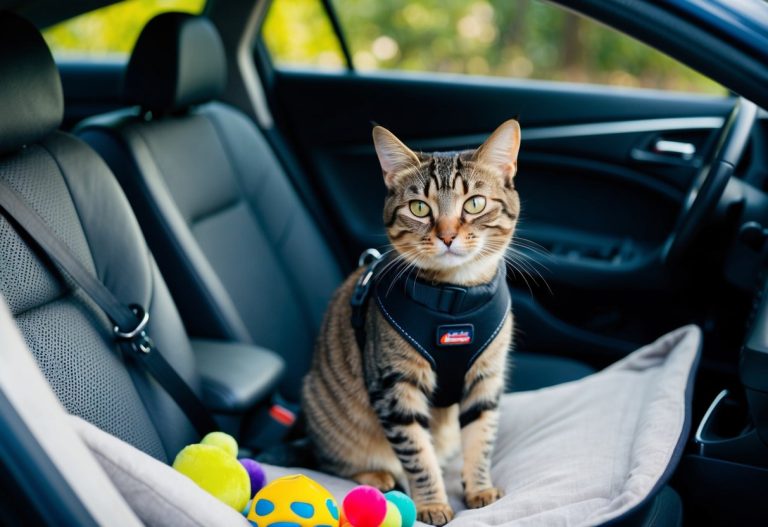
- Safety First: Using a dog seatbelt, harness, or crate can make a dog feel secure. This not only keeps the dog safe but also minimizes anxiety.
- Frequent Breaks: Stopping every couple of hours for fresh air and bathroom breaks can help ease stress. This allows the dog to stretch and enjoy a change of scenery.
By following these tips, a calm environment can be established, making car travel more enjoyable for both the dog and its owner.
8: Avoid Feeding Before Travel
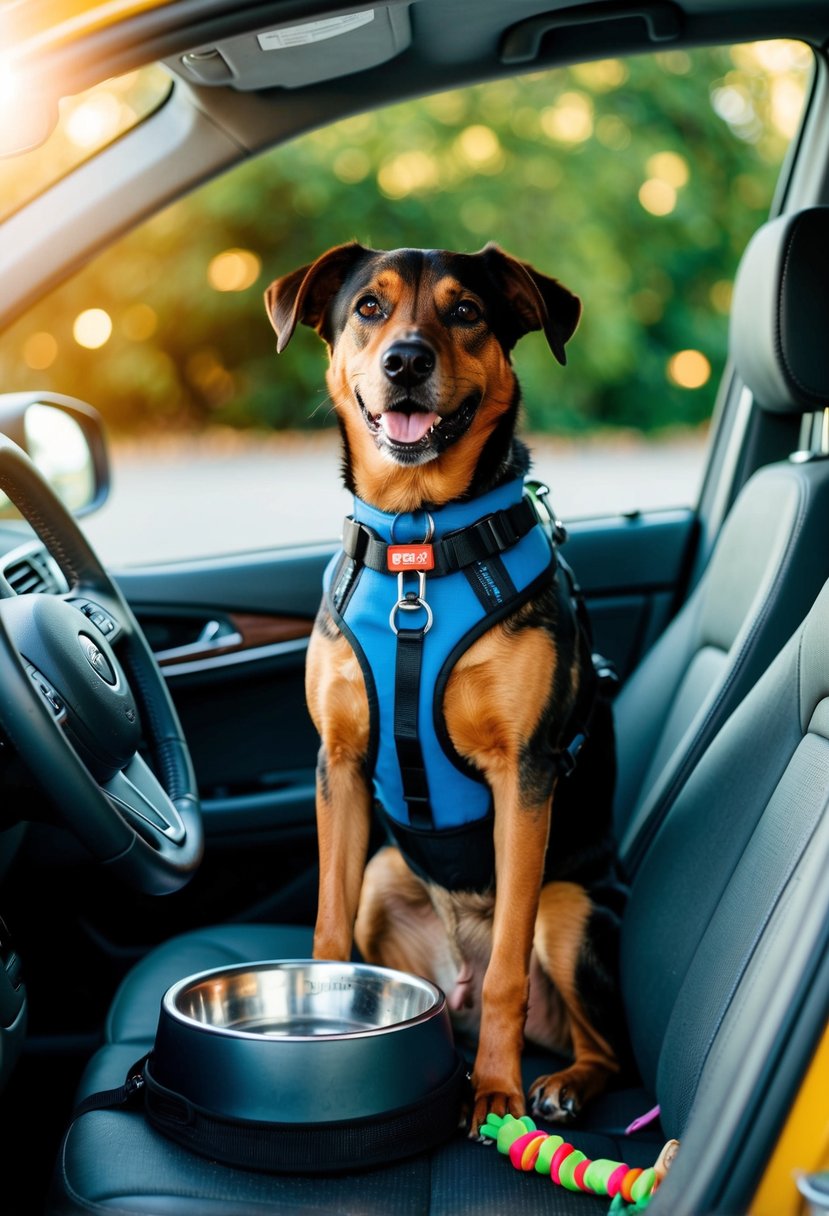
Feeding a dog right before a car trip can lead to an upset stomach. It is best to wait a few hours after feeding before hitting the road.
Here are some tips to consider:
- Timing: Schedule meals at least 3-4 hours before travel. This allows time for digestion.
- Light Snacks: If necessary, give a small handful of dry biscuits shortly before leaving. This can help prevent nausea.
- Hydration: Ensure the dog has access to water before travel. Staying hydrated is important.
- Avoid Heavy Meals: Heavy or rich foods can increase the chances of motion sickness.
- Monitor Reactions: Each dog is different. Pay attention to their reactions and adjust feeding times as needed.
By following these guidelines, car rides can be more comfortable for dogs, reducing the risk of sickness during travel.
9: Use Seat Covers
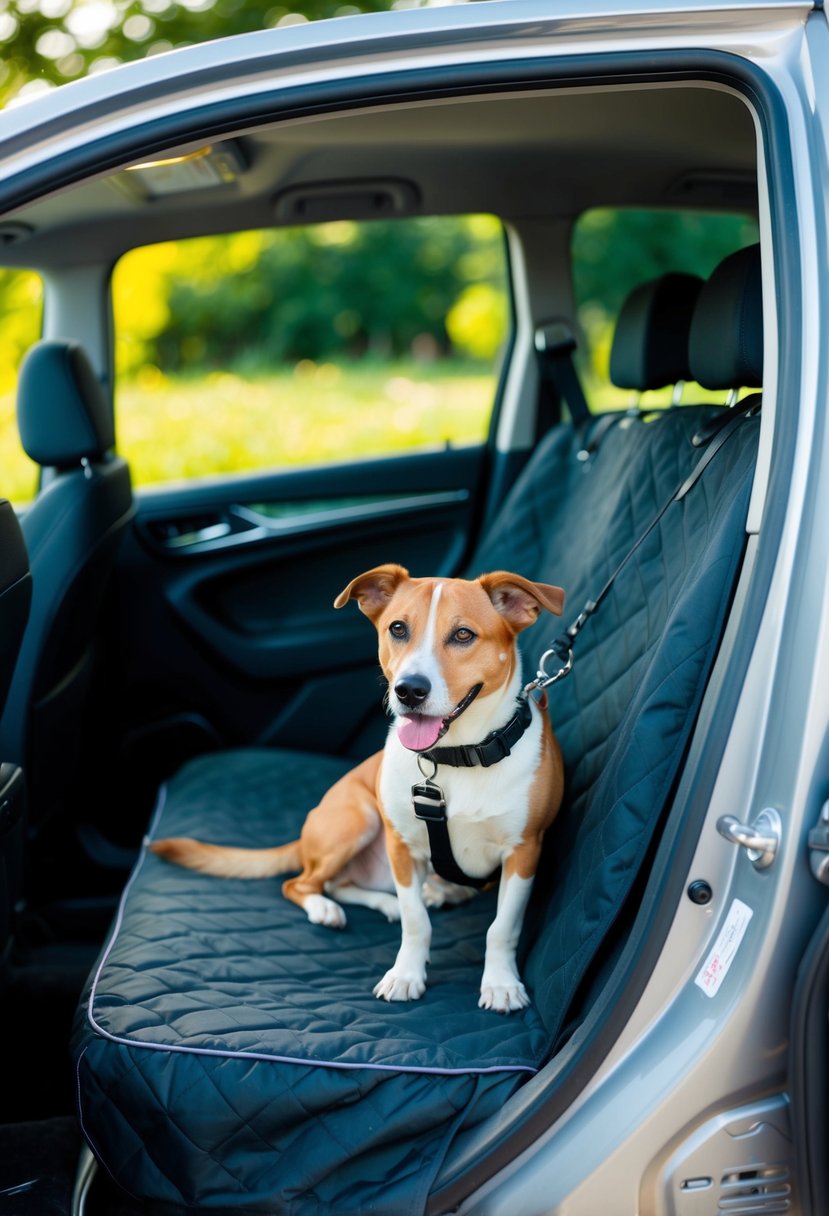
Using seat covers is a smart way to protect a car’s interior when traveling with a dog. They help keep the seats clean and prevent damage from dirt, hair, and spills.
Seat covers come in different materials, such as waterproof fabric. This is useful for dogs that might get wet after a trip to the beach or park.
Here are some benefits of using seat covers:
- Easy to Clean: Most seat covers are machine washable, making cleanup simple.
- Non-Slip Design: Many have a non-slip backing to keep the cover in place during the ride.
- Protection from Scratches: Seat covers can prevent claw marks and wear on upholstery.
- Comfort for the Dog: The soft surface can provide comfort for dogs during long trips.
- Added Safety: Some covers feature openings for seat belts, allowing for safe restraint of the dog.
Using seat covers not only protects the vehicle but also creates a more pleasant travel experience for both the dog and the owner.
10: Bring Cleanup Supplies
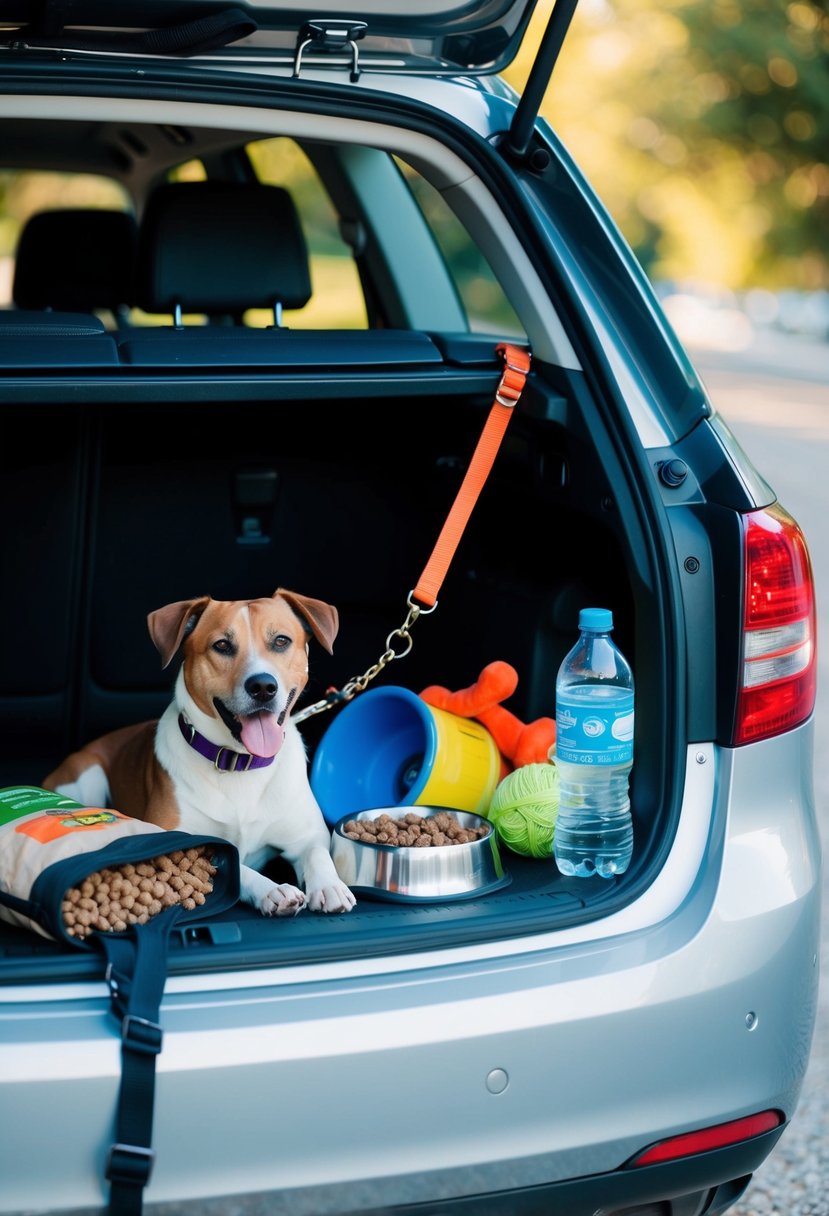
Traveling with a dog can lead to unexpected messes. It is important to be prepared with the right cleanup supplies.
Here are five essential items to bring along:
- Paper Towels: These are handy for quick cleanups of spills or accidents in the car.
- Antibacterial Wipes: These can be useful to sanitize surfaces after your dog has cleaned up after themselves.
- Trash Bags: Having a few trash bags is helpful for disposing of waste or any items that are soiled.
- Wet Wipes: These are great for wiping down your dog’s paws or fur after a muddy walk.
- Old Towels: Keeping an old towel in the car can make it easier to clean up large messes or absorb moisture.
Being prepared with these supplies can make traveling with a dog more enjoyable. It helps keep the car clean and comfortable for everyone.
Preparing Your Dog for Car Travel
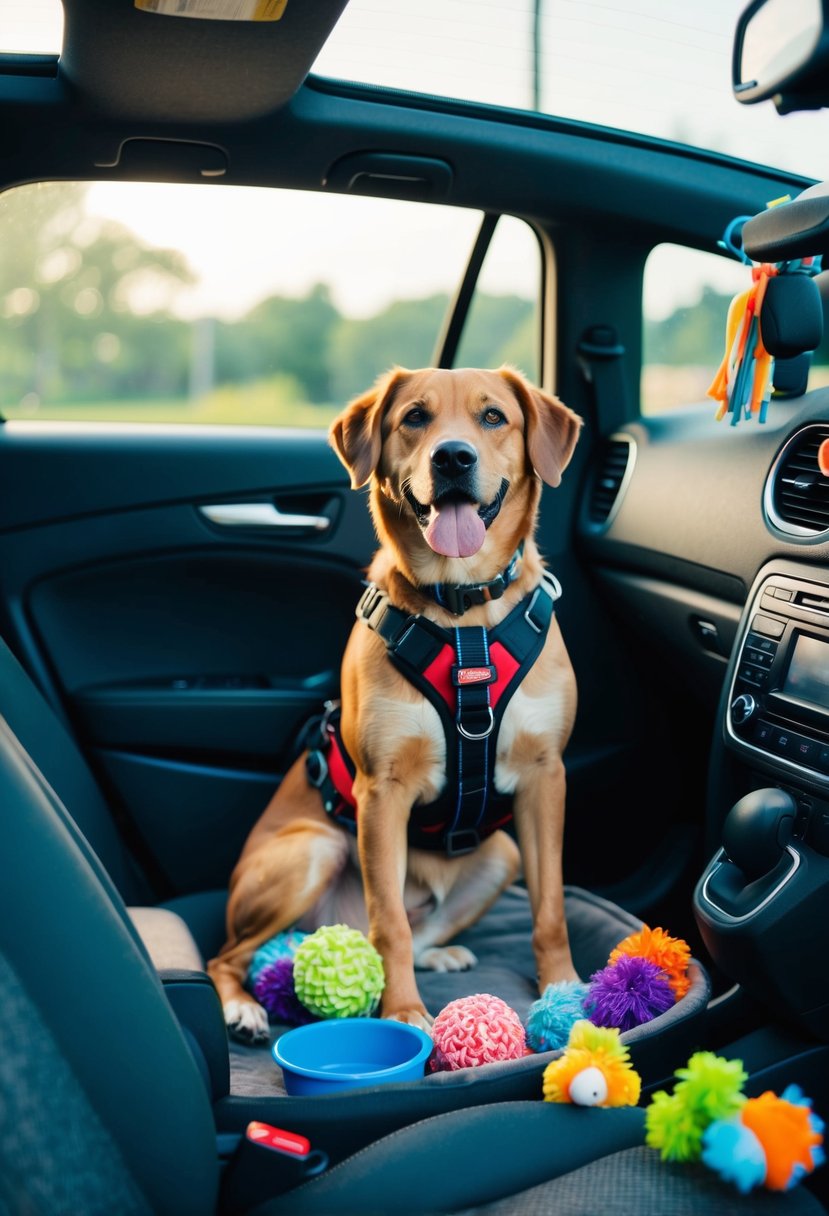
When preparing a dog for car travel, acclimation and the right equipment are crucial. Proper preparation ensures a safe and enjoyable experience for both the dog and the owner.
Acclimating Your Dog to the Car
To ensure a comfortable trip, it is important for a dog to get used to the car. Start by introducing the dog to the car environment. Let them explore while it is parked. Offer treats to create positive associations.
Short trips around the neighborhood can help them adjust. Gradually increase the duration of these trips. Use calm and soothing voices to reassure the dog.
If the dog shows signs of anxiety, such as whining or drooling, consider taking breaks. Giving the dog a chance to stretch and relieve itself can be helpful. This approach can reduce stress and make the journey more enjoyable.
Choosing the Right Travel Equipment
Safety should always be a priority when traveling with a dog. Selecting the right travel equipment can significantly contribute to this. A properly fitted harness or safety crate can protect the dog during the trip.
Consider using a travel crate to keep the dog secure. It can also provide a familiar space for the dog. If the dog is more comfortable in a harness, ensure it is secured to a seatbelt.
Don’t forget to pack essential items like water, food, and a leash. Having these necessities on hand will help manage any situation during the journey. Preparing appropriately can lead to a safe and successful road trip.
Ensuring Safety and Comfort
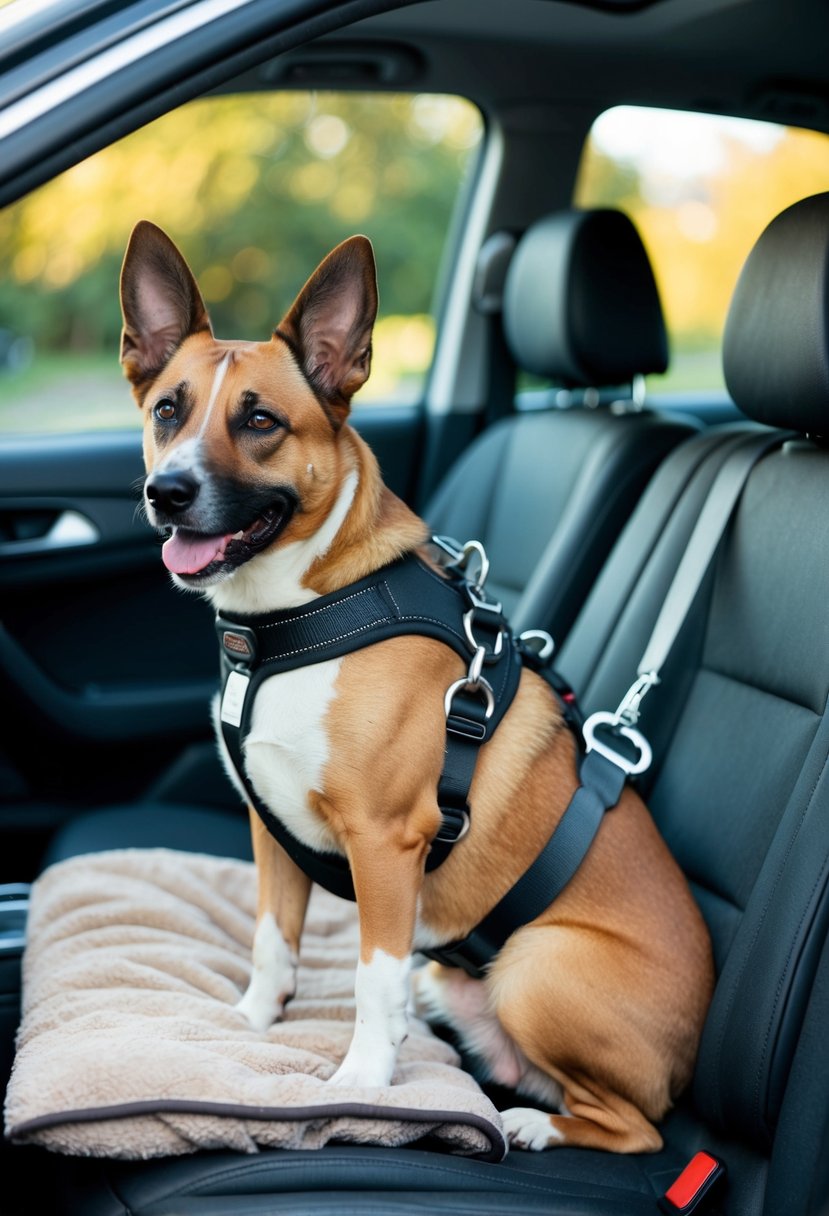
When traveling with a dog in a car, safety and comfort are crucial. Proper restraints and attention to the environment can make the journey enjoyable for both the dog and the owner.
Using Car Restraints and Carriers
Ensuring a dog is secure in the car is vital for safety. Dog owners can use various restraints, such as harnesses, seat belts, or crates. A quality crate should be large enough for the dog to stand, turn around, and lie down comfortably.
When choosing a harness, it should be crash-tested to withstand sudden stops. Restraints help prevent distractions for the driver and protect the dog during unexpected events.
Benefits of Using Restraints:
- Prevents the dog from moving freely and becoming a distraction.
- Reduces the risk of injury during sudden stops or accidents.
- Encourages a calm atmosphere for the dog.
Owners should regularly check that the restraint system is functioning correctly to ensure maximum safety.
Managing Temperature and Ventilation
Temperature and ventilation are essential for a dog’s comfort during car rides. Dogs can easily overheat, so it’s essential to maintain a comfortable environment.
To regulate temperature, owners should:
- Keep windows slightly open for fresh air.
- Use air conditioning on warm days.
- Avoid leaving dogs in a parked car, even for short periods.
Monitoring the dog for signs of discomfort, such as heavy panting or lethargy, is important. A dog should never be left in extreme temperatures, as it can quickly lead to heatstroke.
By focusing on the dog’s comfort and adjusting conditions, owners can ensure a safe and pleasant travel experience.
Planning Your Route and Breaks
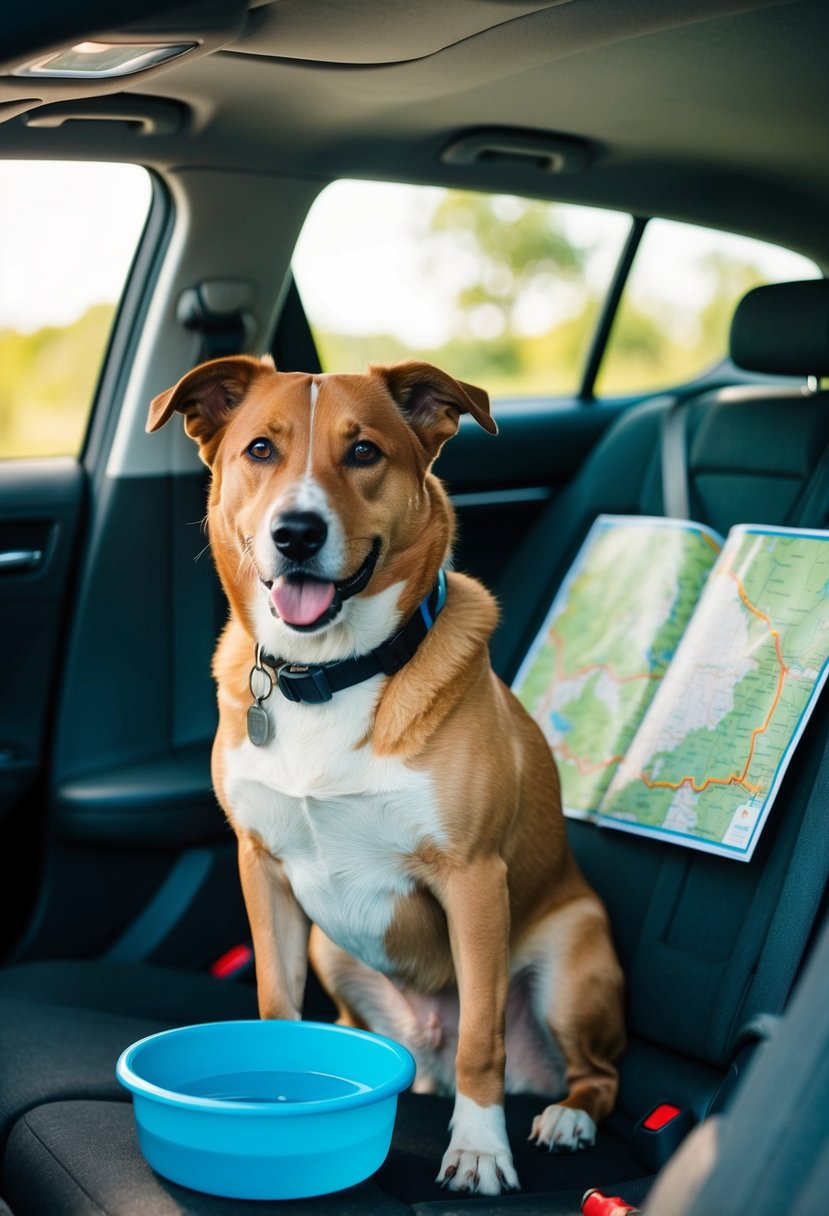
Proper planning enhances travel experience for both the dog and the owner. Making the right choices for stops and break schedules can keep the journey enjoyable and stress-free.
Identifying Dog-Friendly Stops
When traveling with a dog, finding dog-friendly stops is essential. Researching ahead can save time and prevent frustration. Websites and apps can help identify parks, rest areas, and restaurants that welcome dogs.
Consider the following options:
- Parks: Look for large, open areas where the dog can stretch and play.
- Pet-Friendly Restaurants: Some eateries allow dogs on patios or have special policies.
- Veterinary Clinics: Knowing the location of a vet along the route can provide peace of mind.
Document these locations in advance to ensure smooth travel.
Scheduling Regular Breaks
Scheduling regular breaks is important to keep a dog comfortable. Experts recommend taking a break every 2-3 hours for at least 15-30 minutes.
During breaks, owners should:
- Let the Dog Stretch: This reduces stiffness and fatigue.
- Hydrate: Always provide fresh water after being in the car.
- Use the Bathroom: Stop at designated areas to let the dog relieve itself.
A consistent break schedule helps maintain the dog’s mood and energy levels throughout the journey. Keeping these factors in mind can lead to a pleasant travel experience.