

When planning a trip to South Korea, timing can greatly influence your travel experience. Different seasons offer unique attractions and weather, from the blooming cherry blossoms in spring to the vibrant festivals of autumn.

The best time to visit South Korea often depends on your interests and what you want to see and do. Whether you’re interested in enjoying scenic landscapes, attending cultural events, or experiencing a winter wonderland, there is always something exciting happening across the country.
1: Spring Cherry Blossoms

Spring in South Korea is a magical time when cherry blossoms transform the landscape into a canvas of pink and white. You can find these stunning flowers all over the country, creating perfect opportunities for sightseeing and photography.
The cherry blossom season usually begins in late March and lasts until early April. During this time, many visitors flock to popular spots like Jeju Island and Seoul’s palaces to enjoy the full bloom of these iconic flowers.
With the pleasant temperature ranging from about 5°C to 20°C, spring provides the ideal weather for taking long walks under cherry blossom trees. You can also participate in local festivals, where you can enjoy traditional Korean music and food while surrounded by these beautiful blooms.
For photographers and nature enthusiasts, the cherry blossoms offer a unique backdrop for capturing memorable moments. Whether you are visiting urban areas or exploring rural landscapes, the vibrant cherry blossoms make for an unforgettable experience.
If you plan to visit South Korea during this season, it’s a good idea to keep an eye on cherry blossom forecasts, as the timing can vary slightly each year. Enjoy the enchanting sights and cultural festivities that flourish during this special time.
2: Autumn Foliage Festival

Visiting South Korea during the autumn months is a delightful experience. The country hosts several festivals that celebrate the stunning fall foliage. This is when the trees turn brilliant shades of red, yellow, and orange, creating breathtaking landscapes.
One of the most popular places to enjoy autumn foliage is at Seoraksan National Park. Here, you can hike through trails adorned with colorful leaves. Another must-visit location is Nami Island, known for its stunning tree-lined pathways.
The annual cultural festival held in South Korea during this time is a great way to experience local traditions. You can enjoy music, food, and art that highlight the beauty of the season. In Seoul, you might visit Gyeongbokgung Palace to see the leaves and traditional performances. For more details, the Travel-Stained site provides information on the best places to visit in the autumn.
Public transportation is recommended when visiting these sites, as parking can be limited. With so much natural beauty and cultural richness, the Autumn Foliage Festival in South Korea offers a memorable experience for all visitors.
3: Seoul Lantern Festival

The Seoul Lantern Festival is an essential event if you find yourself in South Korea during the winter. Taking place annually, it showcases beautiful displays of traditional Korean hanji paper lanterns and stunning LED lights. These exhibits provide a captivating glimpse into Korean culture and artistry.
The festival usually runs from mid-December to mid-January, making it a fantastic highlight of a winter trip to Seoul. You’ll be able to see the city shine in a whole new light. The experience is not only visually striking but also offers a deeper understanding of Seoul’s cultural heritage.
Located across various key areas in the city, the festival venues are easily accessible. This is a great opportunity to explore other attractions nearby. The event is also budget-friendly, with entry fees typically very reasonable, adding more value to your visit.
Make sure to plan accordingly and perhaps reserve your spot at certain features of the event, like the ice skating rink. You can find further details by visiting the official festival guides online, such as the one on the Seoul Lantern Festival Guide. You are sure to enjoy this radiant celebration of light.
4: Winter Ski Season

Winter in South Korea is perfect for skiing and snowboarding. From December to March, the slopes are covered in fresh snow, making it a great time to hit the resorts. South Korea’s mountains provide a beautiful setting for winter sports.
Visiting during this season offers you a chance to explore numerous ski resorts. Popular spots include Phoenix Snow Park and High1 Resort. Whether you’re a beginner or an expert, these places have various slopes to suit your skill level.
Timing your visit is key for the best experience. Early and late winter months can be less crowded, allowing you more space on the slopes. In general, December and January are especially popular due to peak snow conditions.
Ski resorts in South Korea often offer more than just skiing. Many resorts have amenities like hot springs and spas. This means you can relax and unwind after a day on the slopes. You can enjoy both adventure and comfort during your winter getaway.
5: Jeju Island Summer

Summer in Jeju Island, from June to August, offers warm and sunny days. The temperature usually ranges from 25 to 30 degrees Celsius. This is a popular time for visitors interested in beach activities and exploring the island’s natural beauty.
During these months, you’ll find that Jeju is bustling with tourists. Popular attractions can be crowded, so planning ahead is key. Despite the crowds, summer brings lively festivals and events that showcase the island’s vibrant culture.
Jeju’s beaches, like Hyeopjae and Jungmun, are perfect for swimming and sunbathing. If you’re into hiking, consider exploring Hallasan Mountain early in the morning to avoid midday heat. The trails offer impressive views of the island’s lush landscape.
Do note that summer is also the rainy season. Pack an umbrella or raincoat for occasional showers. For a more comfortable experience, try visiting in early June or late August when the weather is slightly cooler and crowds are smaller.
Whether you’re relaxing by the sea or hiking through forests, Jeju Island in summer is a captivating destination. Enjoying local cuisine, like fresh seafood, adds to the charm of your visit.
Overview of South Korea’s Climate
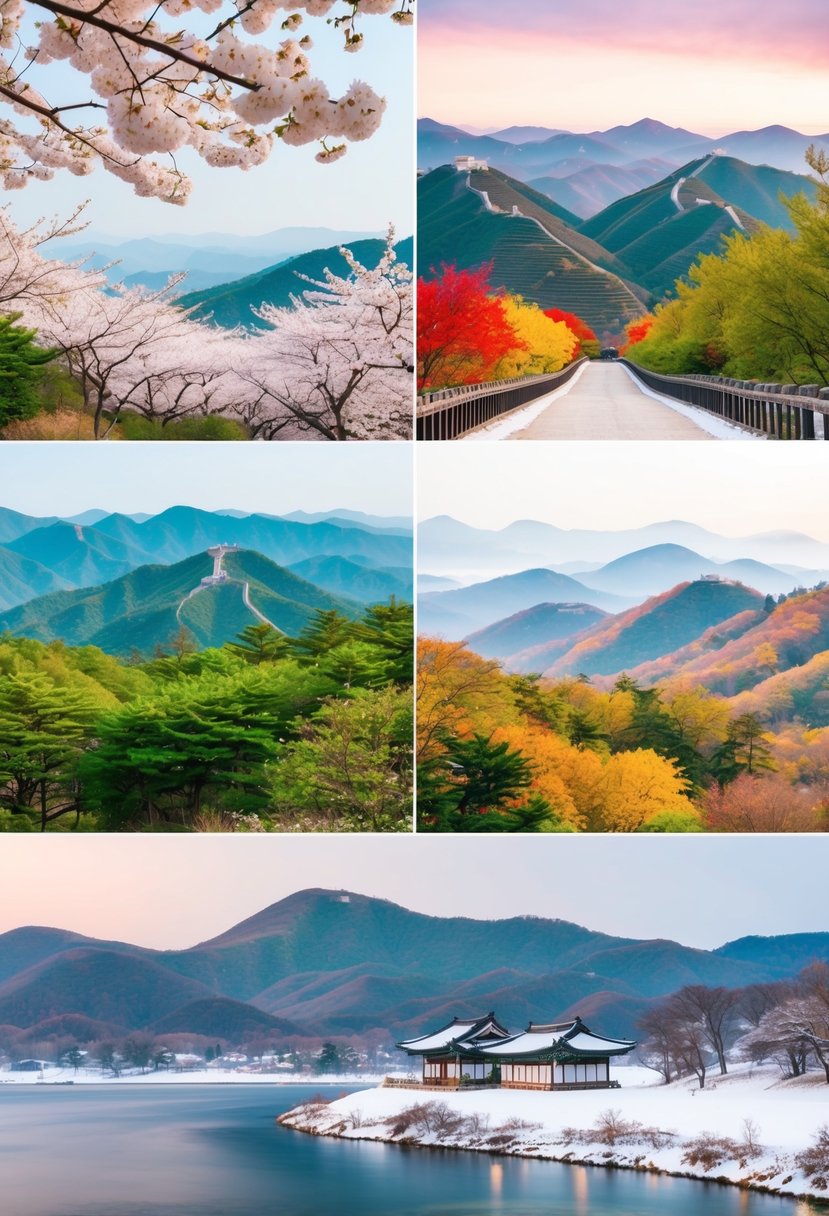
South Korea offers a diverse climate experience across its four seasons. Each season has its own unique weather conditions, affecting travel plans and activities. Understanding the climate can help you make informed decisions about when to visit.
Spring Weather Patterns
Spring in South Korea typically spans from April to June. During this time, temperatures are mild, ranging from 15°C to 18°C (59°F to 64°F). This season is known for its pleasant weather and beautiful cherry blossoms, making it popular among tourists. Rainfall is generally low, enhancing outdoor activities and sightseeing opportunities. You can expect clear blue skies and bright, sunny days. It’s an ideal time for hiking and exploring gardens and parks. Be prepared for occasional showers, but they are usually short-lived.
Summer Weather Conditions
Summer in Korea occurs from June to August, bringing hot and humid weather. Temperatures often exceed 30°C (86°F) with high humidity, making it uncomfortable at times. Coastal areas offer some relief with cooler breezes. July and August are also the monsoon months, marked by heavy rains and occasional thunderstorms. While this might deter some outdoor plans, it is a great time to experience local festivals and enjoy seasonal fruits like melons and peaches. Beach destinations become popular in the summer, providing a way to cool down and relax.
Autumn Climate Characteristics
Autumn runs from September to November, and it is often considered the best time to visit South Korea. The weather is cool and crisp, with temperatures ranging from 10°C to 20°C (50°F to 68°F). This season is especially admired for its stunning fall foliage, drawing locals and tourists alike to national parks and mountainous regions. You can enjoy outdoor activities such as hiking and visiting cultural festivals. Rainfall decreases significantly after the summer, providing plenty of dry days to explore cities and countryside areas alike.
Winter Temperature Ranges
Winter in South Korea extends from December to February. It is the coldest time of the year, with temperatures in Seoul often dropping below 0°C (32°F) and occasionally reaching -10°C (14°F) or lower. Snowfall is common, especially in the mountainous areas, making it an ideal time for skiing and other winter sports. You should be aware that the cold can be quite biting due to the wind chill. Despite the cold, winter has its appeal, with festive lights and events creating a cozy atmosphere. Korean cuisine also offers warm, hearty dishes like hot stews that are perfect for the winter season.
Major Seasonal Festivals

South Korea is known for its vibrant seasonal festivals. Two of the most popular include the Cherry Blossom Festivals in spring and the Autumn Leaves Celebrations in fall. These events highlight the country’s beautiful landscapes and provide unique cultural experiences.
Cherry Blossom Festivals
In spring, South Korea transforms with the blossoming of cherry trees. The famous Jinhae Cherry Blossom Festival is a must-see, attracting millions every year. You can stroll through streets lined with soft pink petals and enjoy traditional performances and parades. Another favorite spot is Yeouido Park in Seoul, where the Yeouido Spring Flower Festival takes place. Here, you can join locals in celebrating under a canopy of cherry blossoms while enjoying street food and outdoor concerts.
The vibrant blooms cover areas like Seoul, Busan, and Jeju Island. The festivals typically occur in early April, but exact dates vary based on weather conditions. Planning your visit around these festivals allows you to experience Korean culture alongside natural beauty.
Autumn Leaves Celebrations
Autumn in Korea is marked by stunning fall foliage. Popular festivals like the Naejangsan Autumn Leaves Festival showcase the changing colors in breathtaking settings. Visitors can hike through national parks surrounded by vibrant reds, oranges, and yellows.
In Seoul, you can enjoy the enchanting views at Namsan Park or even stroll along palace grounds such as Gyeongbokgung. These sites offer a perfect blend of history and nature. The celebrations typically start in mid-October and last until early November. It’s a great time to experience traditional Korean food at local stalls while appreciating the season’s beauty.