Food In The Philippines: A Delicious Adventure Through Island Delights
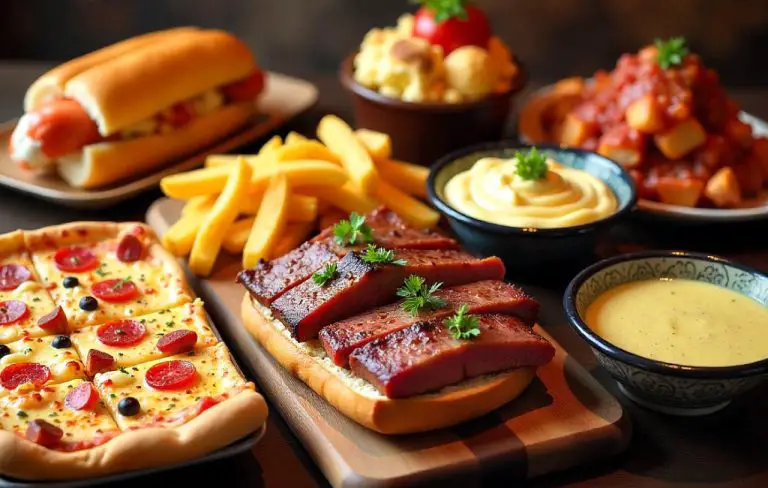
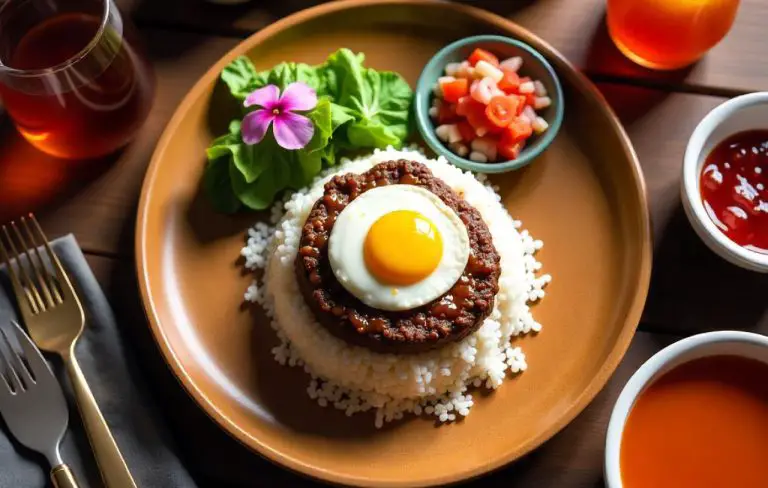
Are you ready to dive into the exquisite tastes of the Philippines? Strap in for a culinary journey that will take your taste buds on an unforgettable ride. The Philippines, with its diverse population and rich cultural heritage, offers a food scene that’s as vibrant and varied as its history.
From the savory richness of adobo to the refreshing sweetness of halo-halo, every bite tells a story. Filipino cuisine is a delicious mosaic, blending influences from its colorful past into dishes that are uniquely its own.
Join us as we embark on a flavor-filled voyage through the Philippines. We’ll introduce you to must-try dishes, share tips on where to find the best bites, and reveal how to enjoy them like a true local.
Fasten your culinary seatbelt—it’s time to savor the mouthwatering delights of Filipino food!
The Heart of Filipino Cuisine: Key Ingredients That Define Its Flavors

Flavor Boosters: Spices and Condiments
Filipino dishes are brought to life with a variety of spices and condiments. Common staples include vinegar, garlic, pepper, soy sauce, calamansi (a local citrus fruit), ginger, and chili.
Vinegar is a star ingredient in dishes like adobo, where it’s used to marinate chicken or pork alongside soy sauce, garlic, and pepper. Garlic, often sautéed with onions, forms the flavorful base of many recipes. Soy sauce, meanwhile, is a go-to seasoning and marinade for meats and vegetables, adding depth and umami to every bite.
Protein Powerhouses: Meat and Seafood
Meat and seafood are central to Filipino cooking. Pork is the most popular meat, featured in iconic dishes like lechon (roast pig) and sisig (a sizzling dish made with pig’s head and liver). Chicken and beef also shine in classics like adobo and kare-kare, a rich peanut-based stew with oxtail and vegetables.
Seafood is equally celebrated, with dishes like sinigang (a tangy soup made with fish or shrimp) and kinilaw (a Filipino ceviche of raw fish marinated in vinegar and spices) showcasing the country’s coastal bounty.
Fresh and Flavorful: Fruits and Vegetables
Fruits and vegetables play a vital role in Filipino cuisine, adding freshness and balance to meals. Commonly used ingredients include onions, tomatoes, chili, jackfruit, lemongrass, and coconut milk.
Onions and tomatoes form the base of dishes like menudo, a hearty pork and vegetable stew. Jackfruit is a star in ginataang langka, a creamy stew made with coconut milk. Lemongrass, with its citrusy aroma, enhances soups like tinola, a comforting chicken broth infused with ginger.
These ingredients are the building blocks of Filipino cuisine, creating dishes that are as diverse and dynamic as the culture itself. Dive in and discover the flavors that make Filipino food truly special!
Must-Try Filipino Dishes: A Taste of the Philippines’ Culinary Treasures
Filipino cuisine is a vibrant mix of influences from centuries of cultural exchange, resulting in a unique and mouthwatering array of dishes. Whether you’re a first-time visitor or a seasoned traveler, these iconic Filipino dishes are a must-try to truly experience the heart and soul of the Philippines.
Adobo: The Beloved National Dish
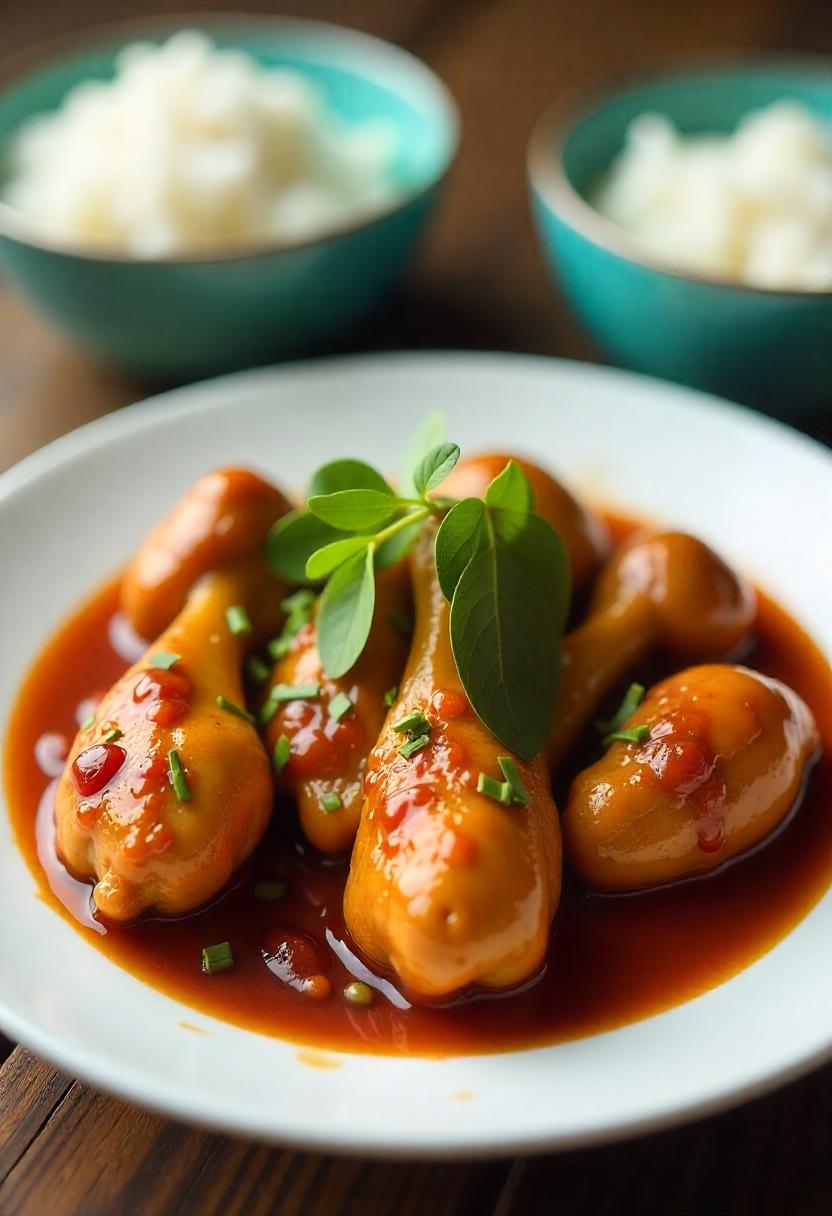
Adobo is often called the Philippines’ national dish, and for good reason. This savory stew features meat (usually chicken or pork) marinated in a tangy blend of soy sauce, vinegar, garlic, and spices. Slow-cooked until tender, adobo is a flavorful comfort food best enjoyed with steamed rice. It’s a staple in Filipino homes and a dish you’ll quickly fall in love with.
Lechon: The King of Filipino Feasts
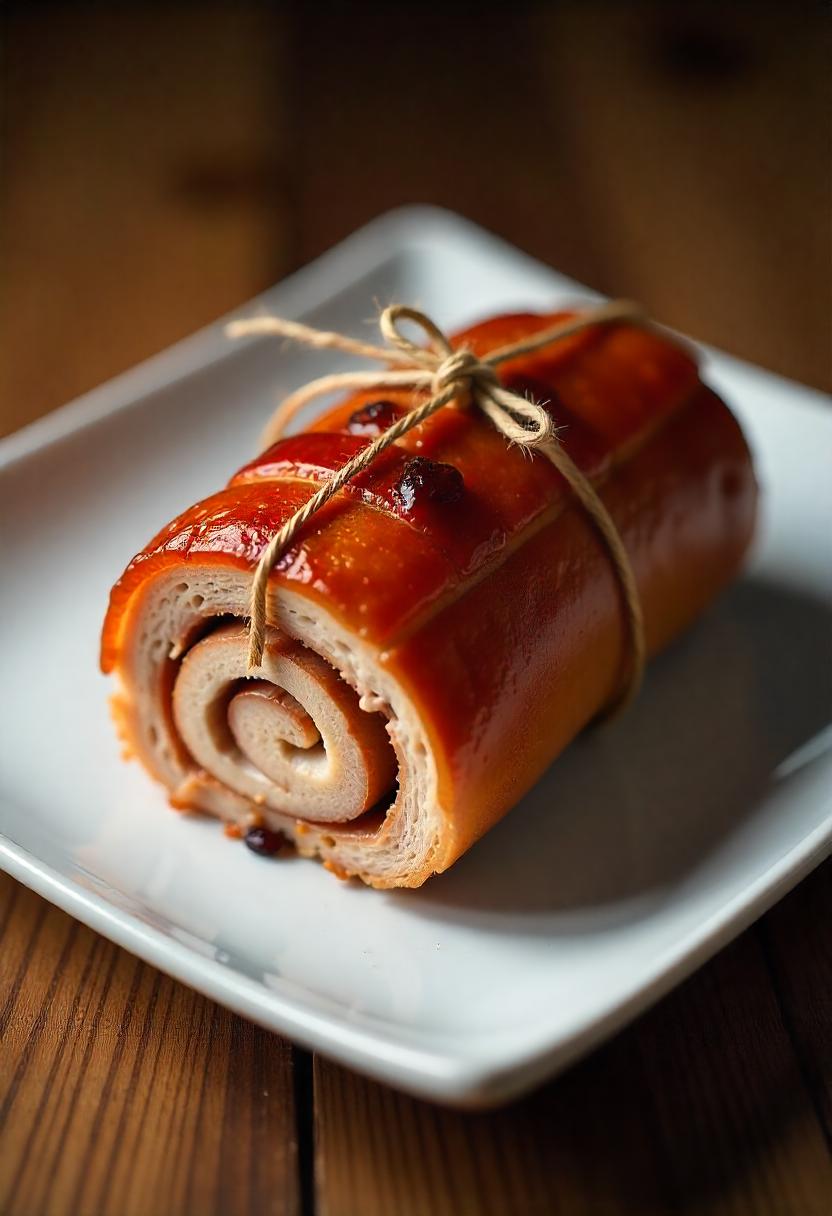
No Filipino celebration is complete without lechon, a whole roasted pig stuffed with herbs and spices. The result? Crispy, golden skin and tender, juicy meat that’s often served with a rich liver sauce. Lechon is a showstopper at parties and a must-try for anyone visiting the Philippines.
Pancit: Noodles for Every Occasion
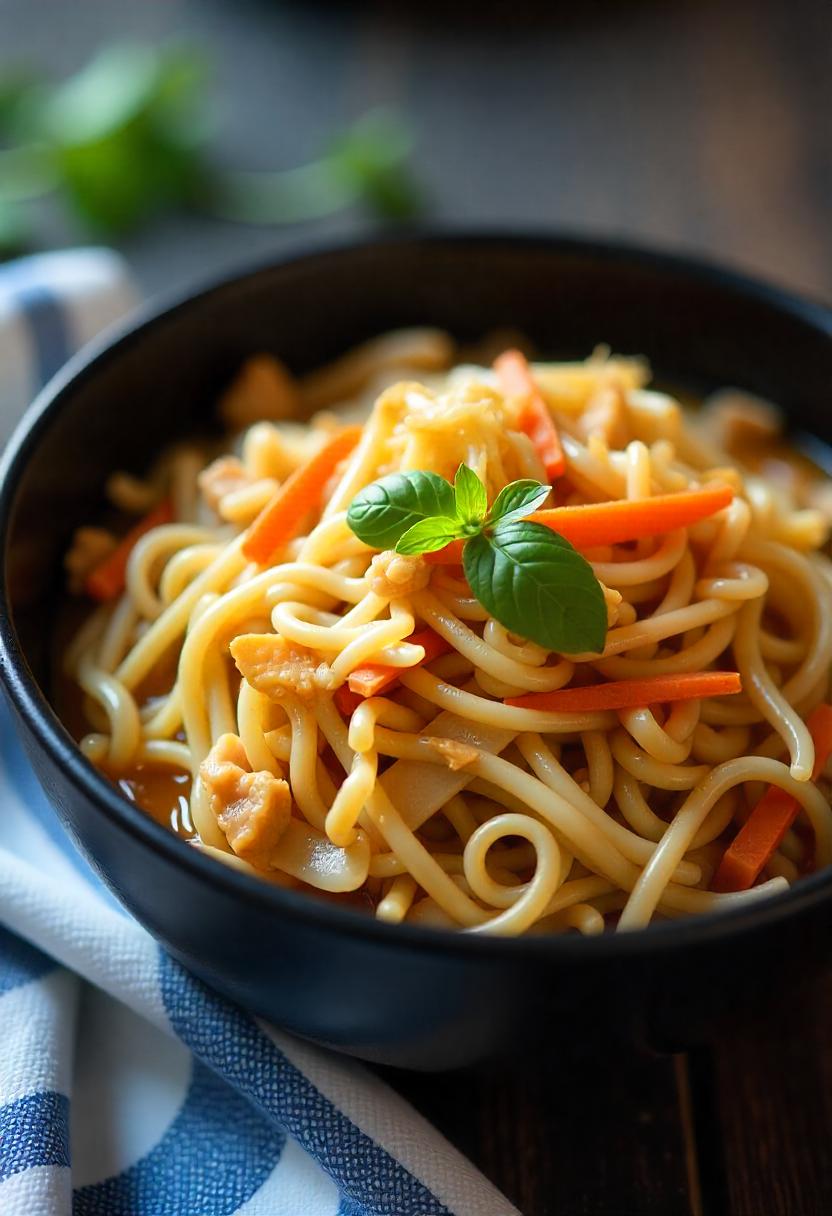
Pancit is a beloved noodle dish that’s a staple in Filipino households. Made with rice noodles, sliced meat (like pork or chicken), and a colorful mix of vegetables such as carrots, cabbage, and spinach, pancit is flavored with soy sauce and a hint of lemon juice. It’s a favorite at gatherings and a symbol of long life and good fortune.
Sinigang: A Tangy Comfort Food
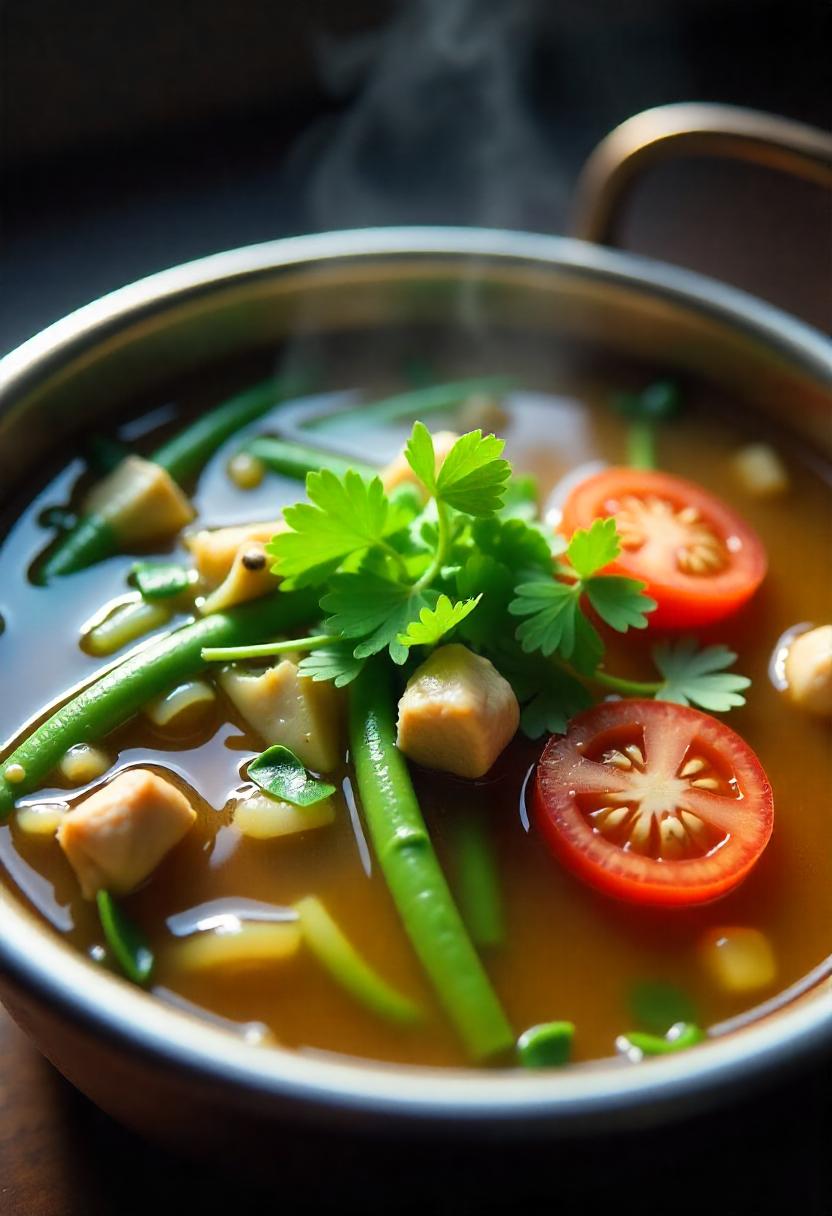
Sinigang is a sour and savory soup that’s perfect for warming up on cooler days. Made with a tamarind-based broth, it’s packed with meat (often pork or fish) and vegetables like string beans, taro, and banana blossom. Served with steamed rice, sinigang is a comforting dish that’s a favorite among locals.
Kare-Kare: A Rich and Nutty Stew
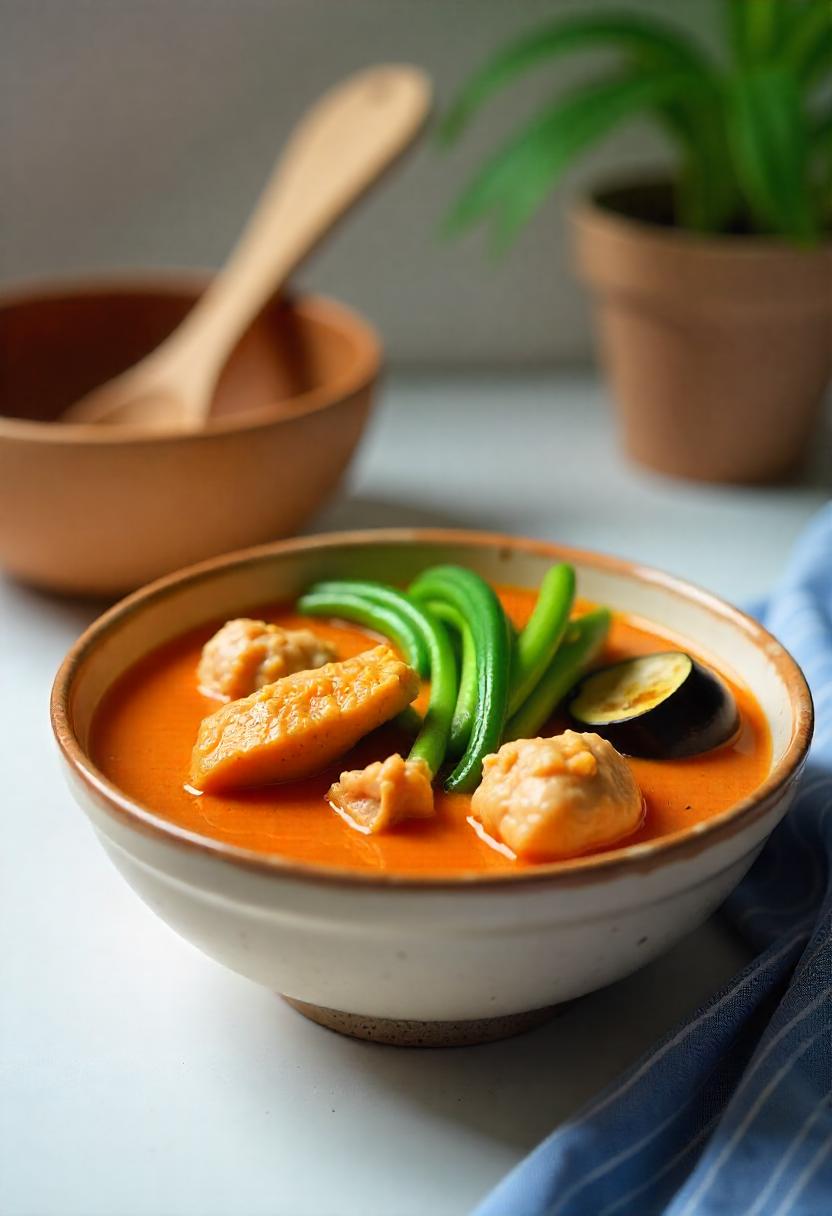
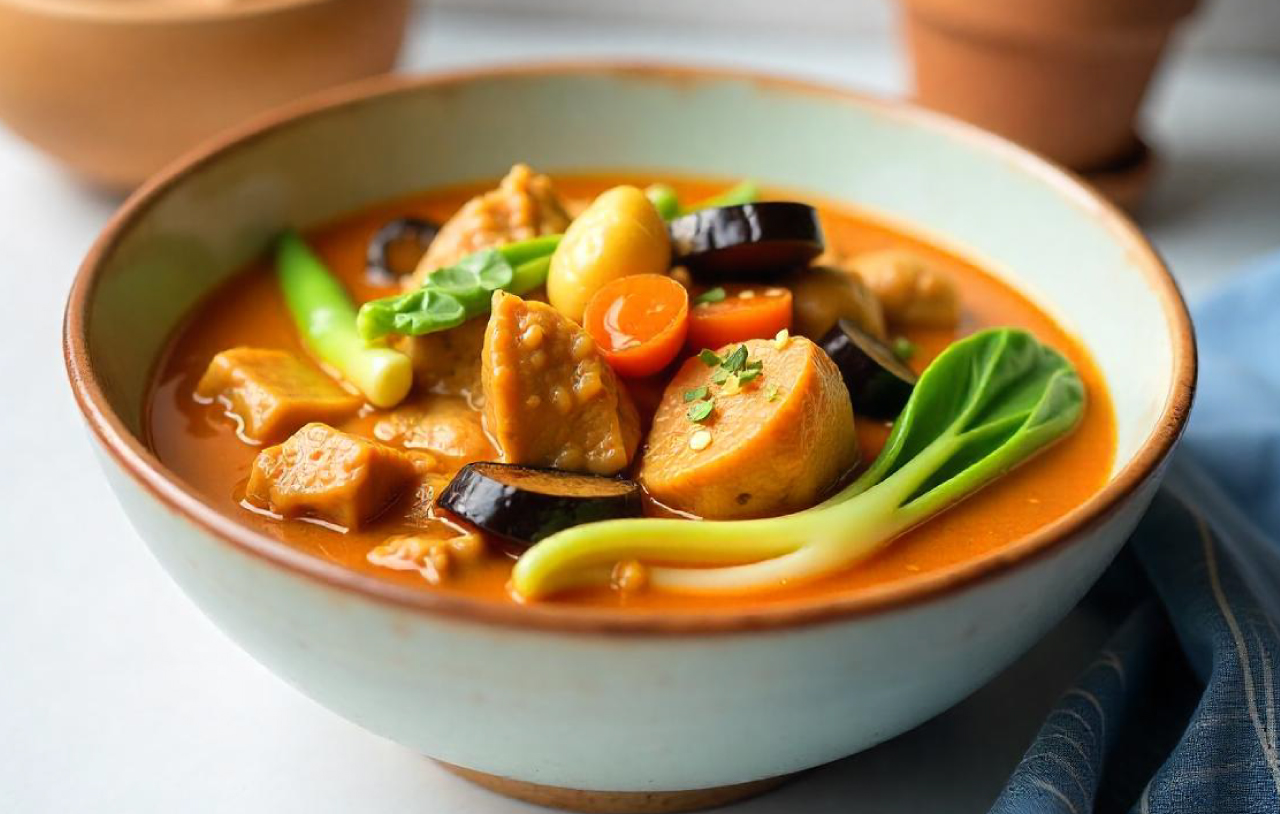
Kare-Kare is a luxurious stew made with a creamy peanut sauce, tender oxtail, and vegetables like eggplant and string beans. It’s traditionally served with bagoong, a fermented seafood paste that adds a salty kick. This hearty dish is a must-try for anyone looking to explore the depth of Filipino flavors.
A Culinary Tour of the Philippines: Regional Flavors You Can’t Miss
Filipino cuisine is as diverse as its archipelago, with each region offering its own unique flavors, ingredients, and cooking styles. From the bustling streets of Luzon to the tropical islands of Visayas and the vibrant culture of Mindanao, here’s a guide to the regional variations that make Filipino food so special.
Luzon: A Blend of Tradition and Influence
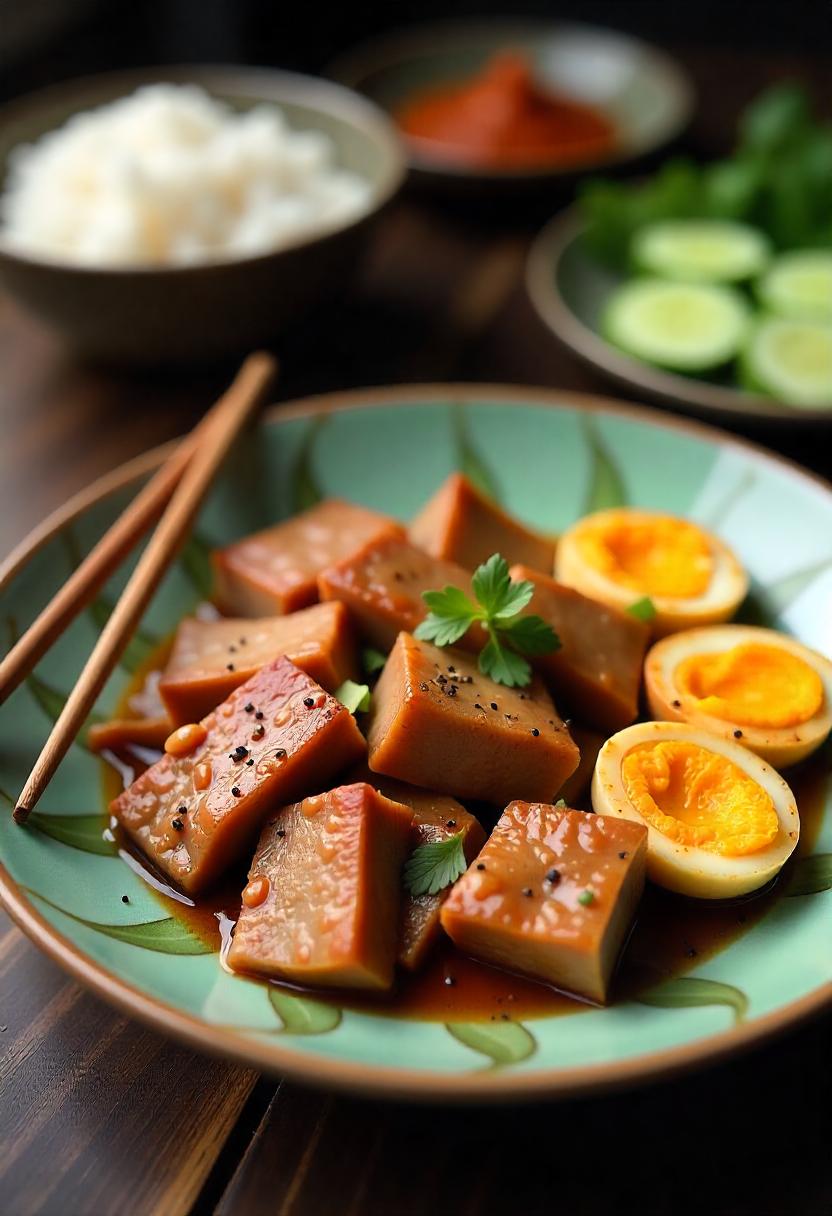
As the largest island and home to Manila, Luzon’s cuisine reflects a mix of Chinese and Spanish influences. Some standout dishes include:
- Adobo: The iconic Filipino dish made with chicken or pork simmered in vinegar, soy sauce, and garlic.
- Pinakbet: A hearty vegetable dish featuring squash, eggplant, okra, and bitter melon, cooked in a savory shrimp paste sauce.
- Bicol Express: A fiery stew of pork, coconut milk, and chili peppers, named after the Bicol region’s love for spice.
Visayas: Sweet, Sour, and Seafood Delights
The Visayas region, including Cebu, is known for its sweet and sour flavors and abundant seafood. Must-try dishes include:
- Lechon: A whole roasted pig stuffed with lemongrass, garlic, and spices, often the star of celebrations.
- Kinilaw: A Filipino-style ceviche made with raw fish marinated in vinegar, lime juice, and spices.
- Chicken Inasal: Grilled chicken marinated in a tangy blend of vinegar, lime juice, garlic, and ginger, offering a smoky, citrusy flavor.
Mindanao: Bold and Spicy Flavors
Mindanao, the southernmost island, is famous for its bold, spicy, and aromatic dishes. Don’t miss these regional specialties:
- Satti: Grilled beef or chicken skewers served with a rich, spicy peanut sauce.
- Piaparan: A flavorful chicken dish cooked in a spicy coconut milk sauce infused with turmeric and ginger.
- Tiyula Itum: A dark, spicy beef soup made with burnt coconut meat, offering a deep, smoky flavor.
Whether you’re savoring the tangy adobo of Luzon, the zesty kinilaw of Visayas, or the fiery piaparan of Mindanao, each region offers a unique culinary experience. So, pack your appetite and get ready to explore the rich and diverse flavors of Filipino cuisine—one delicious bite at a time!
Street Food Adventures: Savoring the Flavors of the Philippines
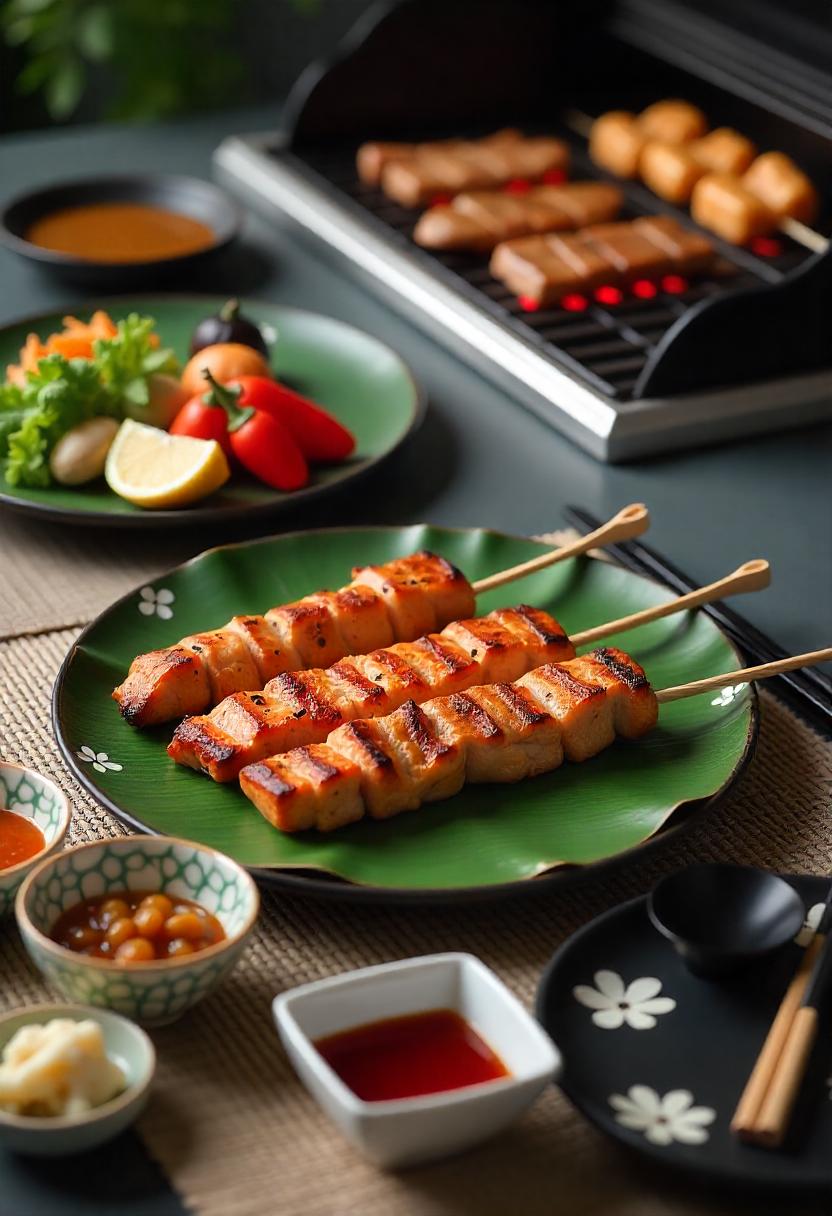
If you’re planning a trip to the Philippines, diving into its street food scene is an absolute must. Street food is a cornerstone of Filipino culture, offering a delicious, affordable, and authentic culinary experience. From savory snacks to sweet treats, Filipino street food is as diverse as it is flavorful.
Must-Try Street Food Favorites
- Grilled Corn: A popular snack, roasted corn on the cob is slathered with butter, sprinkled with salt, and topped with cheese for a savory-sweet delight.
- Kamayan: This traditional hands-on eating style is a must-try. Vendors serve grilled seafood, chicken, and pork over a bed of rice, creating a feast you eat with your hands.
- Isaw: For the adventurous eater, grilled chicken or pork intestines are a flavorful and popular street food staple.
- Banana Cue: Satisfy your sweet tooth with this treat—fried bananas coated in caramelized brown sugar, perfect for a quick and tasty snack.
Filipino street food offers something for everyone, whether you’re craving something savory, sweet, or a little bit of both.
Filipino Food Culture: A Celebration of Flavor and Tradition
Filipino food culture is a vibrant tapestry woven from indigenous, Malay, Chinese, Spanish, and American influences. Food is more than just sustenance in the Philippines—it’s a way to express hospitality, generosity, and love. Known for its bold flavors, colorful presentations, and unique cooking techniques, Filipino cuisine is a feast for the senses.
Filipino Eating Habits
Filipinos have a distinct way of eating that involves using a spoon and fork. The spoon is held in the right hand, while the fork is used to push food onto the spoon. Knives are rarely used, except for cutting meat. Rice is a staple at every meal, often served steamed and sometimes flavored with garlic, onions, or soy sauce.
Festivals and Celebrations
Filipinos love to celebrate with food, and the country’s many festivals are a testament to this.
- Feast of the Black Nazarene (January): Street vendors sell traditional treats like bibingka (rice cake) and puto bumbong (purple rice cake).
- Sinulog Festival (Cebu): This vibrant celebration features lechon (roast pig) as the star dish. Stuffed with herbs and spices and roasted to crispy perfection, lechon is a symbol of festivity and joy.
Filipino food culture is a celebration of life, community, and flavor. Whether you’re enjoying a simple street food snack or indulging in a festival feast, every bite tells a story of the Philippines’ rich culinary heritage.
Filipino Dining Gems: Must-Visit Restaurants and Food Chains
If you’re planning a trip to the Philippines, get ready to indulge in a culinary adventure! Filipino cuisine is a flavorful celebration of culture, and there’s no better way to experience it than by visiting some of the country’s most beloved restaurants and food chains. Here are a few you won’t want to miss:
Jollibee: The Heart of Filipino Fast Food

No introduction to Filipino food culture is complete without Jollibee. This iconic fast-food chain is a source of national pride, with locations across the country and around the world. The menu features Filipino favorites like:
- Chickenjoy: Crispy, juicy fried chicken that’s a crowd-pleaser.
- Jolly Spaghetti: Sweet spaghetti topped with sliced hot dogs and grated cheese.
- Peach Mango Pie: A sweet and fruity dessert that’s perfect for ending your meal.
Jollibee is more than just a fast-food chain—it’s a cultural institution that offers a quick, affordable, and delicious taste of the Philippines.
Max’s Restaurant: Home of “The House That Fried Chicken Built”
Max’s Restaurant has been a Filipino favorite since 1945, known for its hearty and comforting dishes. The menu is packed with classics like:
- Crispy Pata: Deep-fried pork leg with a crispy exterior and tender meat.
- Kare-Kare: A rich oxtail stew in peanut sauce, served with bagoong (fermented shrimp paste).
- Max’s Fried Chicken: Often hailed as “the best-fried chicken in the Philippines,” it’s crispy on the outside and juicy on the inside.
Max’s is the perfect spot for a casual meal that feels like home.
Mesa Filipino Moderne: A Modern Twist on Tradition
Mesa Filipino Moderne takes traditional Filipino dishes and gives them a creative, upscale spin. Some standout dishes include:
- Crispy Boneless Tilapia with Four Sauces: A flavorful fish dish served with a variety of dipping sauces.
- Laing 2 Ways: Taro leaves cooked in coconut milk, presented in two unique styles.
If you’re looking for a more refined dining experience, Mesa Filipino Moderne is the place to go.
Mary Grace Cafe: Sweet and Savory Delights
Mary Grace Cafe is a beloved bakery and cafe known for its pastries, cakes, and comforting meals. Must-tries include:
- Ensaymada: A soft, buttery bread topped with cheese and sugar.
- Mango Bene: Layers of crepes, fresh mangoes, and cream for a decadent treat.
Whether you’re craving something sweet or savory, Mary Grace Cafe has you covered.
Chowking: Chinese-Filipino Fusion
Chowking is a fast-food chain that blends Chinese and Filipino flavors. Popular dishes include:
- Beef Wanton Noodles: A hearty noodle dish with tender beef and dumplings.
- Chao Fan: Flavorful fried rice that’s perfect for a quick meal.
Chowking offers an affordable and delicious way to experience Chinese-Filipino fusion cuisine.
Goldilocks: A Taste of Filipino Tradition
Goldilocks has been a Filipino favorite since 1966, offering a mix of classic dishes and baked goods. Don’t miss:
- Pancit Palabok: Noodles topped with a rich shrimp sauce and garnishes.
- Lechon Kawali: Crispy deep-fried pork belly that’s a Filipino comfort food staple.
From savory meals to sweet treats, Goldilocks is a must-visit for anyone craving authentic Filipino flavors.
Beachside Feasts: Culinary Adventures in the Philippines’ Tropical Paradises
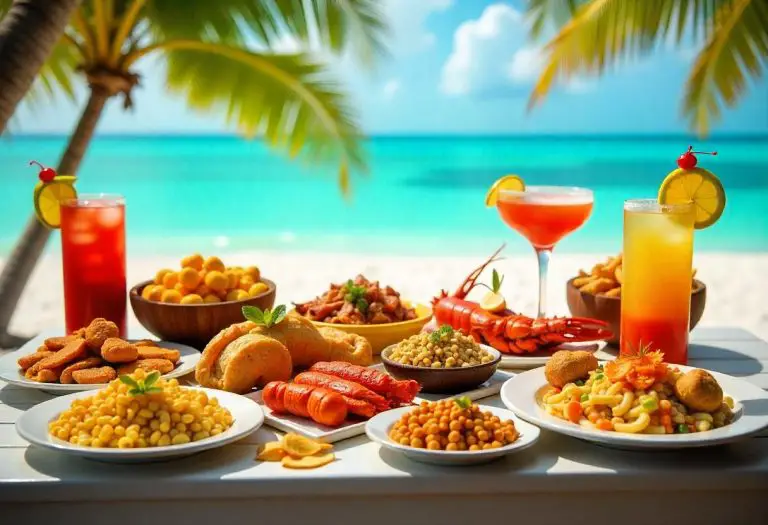
The Philippines is a tropical paradise, not just for its breathtaking beaches but also for its incredible food. From fresh seafood to traditional dishes with a coastal twist, the country’s beach destinations offer unforgettable culinary experiences. Here’s a taste of what you can enjoy while soaking up the sun:
Palawan: A Seafood Lover’s Dream

Palawan, often called the “Last Frontier,” is famous for its pristine beaches and vibrant coral reefs. But it’s also a haven for foodies. After a day of swimming or island-hopping, treat yourself to:
- Grilled Prawns and Fish: Freshly caught and grilled to perfection, often served with a tangy dipping sauce.
- Crab Dishes: From chili crab to garlic butter crab, these dishes are a must-try for seafood enthusiasts.
Pair your meal with a refreshing buko juice (coconut water) straight from the shell for the ultimate tropical vibe.
Boracay: Flavors by the Shore
Boracay is known for its powdery white sand and lively atmosphere, but its food scene is equally impressive. Don’t miss:
- Inasal: Juicy, marinated chicken or pork skewers grilled over charcoal and served with rice and a tangy dipping sauce.
- Kinilaw: A Filipino-style ceviche made with fresh fish, vinegar, calamansi, and chili, perfect for a light, refreshing snack.
As the sun sets, enjoy a beachfront dinner with your toes in the sand and the sound of waves in the background.
Cebu: A Culinary and Coastal Gem
Cebu is a blend of rich history, stunning beaches, and mouthwatering cuisine. While exploring its shores, be sure to try:
- Lechon: Cebu’s famous roasted pig, known for its crispy skin and succulent meat. It’s a must-try for any visitor.
- Seafood Delicacies: From grilled fish to shrimp sinigang (sour soup), Cebu’s coastal location ensures the freshest catches.
Cebu’s food scene is a perfect mix of local flavors and international influences, making it a culinary hotspot.
Final Bites: Reflecting on the Flavors of the Philippines

You’ve reached the end of our culinary journey through the Philippines, and we hope you’ve enjoyed discovering the rich and diverse flavors this incredible country has to offer. From the savory comfort of adobo to the sweet, icy delight of halo-halo, Filipino cuisine is a celebration of taste, culture, and tradition.
With its unique blend of Spanish, Chinese, Malay, and indigenous influences, Filipino food is as vibrant and diverse as the people who create it. But this journey doesn’t have to end here. Why not bring a taste of the Philippines into your own kitchen by trying your hand at some of these iconic dishes? Or better yet, start planning a trip to the Philippines to experience its food culture firsthand.
Remember, food in the Philippines is more than just nourishment—it’s a way of life. It’s a reflection of the country’s history, its people, and their warmth and hospitality. So, the next time you enjoy a plate of adobo or a bowl of sinigang, take a moment to savor not just the flavors but also the stories and traditions behind them.
Thank you for joining us on this delicious adventure. We hope it’s inspired you to explore, taste, and celebrate the incredible world of Filipino cuisine. Until next time, happy eating!
FAQS:
What Are Some Unique Filipino Dishes?
Filipino cuisine is a vibrant mix of flavors and cultural influences. Some unique dishes you must try include:
- Balut: A fertilized duck egg, often enjoyed as a street food delicacy.
- Sisig: A sizzling dish made from pig’s head and liver, flavored with chili and calamansi.
- Dinuguan: A rich stew made with pig’s blood, meat, and spices, often served with rice or puto (steamed rice cakes).
What Are Some Popular Filipino Desserts?
Filipinos have a sweet tooth, and their desserts are a must-try. Some favorites include:
- Leche Flan: A creamy caramel custard that’s rich and indulgent.
- Halo-Halo: A colorful shaved ice dessert layered with sweet beans, fruits, jellies, and topped with leche flan and ube ice cream.
- Bibingka: A soft, fluffy rice cake made with coconut milk and topped with butter, sugar, and grated coconut.
What Are Some Traditional Filipino Dishes for Dinner?
Filipino dinners are hearty and flavorful. Some traditional dishes to try include:
- Adobo: A savory dish of meat (usually chicken or pork) marinated in vinegar, soy sauce, garlic, and bay leaves.
- Sinigang: A tangy soup made with tamarind broth, meat, and vegetables.
- Kare-Kare: A peanut-based stew with oxtail, vegetables, and a side of bagoong (fermented shrimp paste).
What Makes Filipino Food Famous?
Filipino food is celebrated for its bold and balanced flavors—sweet, sour, salty, and savory all in one bite. It’s also known for its generous use of spices and herbs like garlic, ginger, and bay leaves. The cuisine reflects the Philippines’ rich history and cultural diversity, making it a must-try for food lovers worldwide.
What Is the Main Dish in Philippine Cuisine?
While there’s no single “main dish,” Adobo is often considered the national dish of the Philippines. This iconic dish features meat (usually chicken or pork) marinated in vinegar, soy sauce, garlic, and bay leaves, creating a flavorful and comforting meal.