
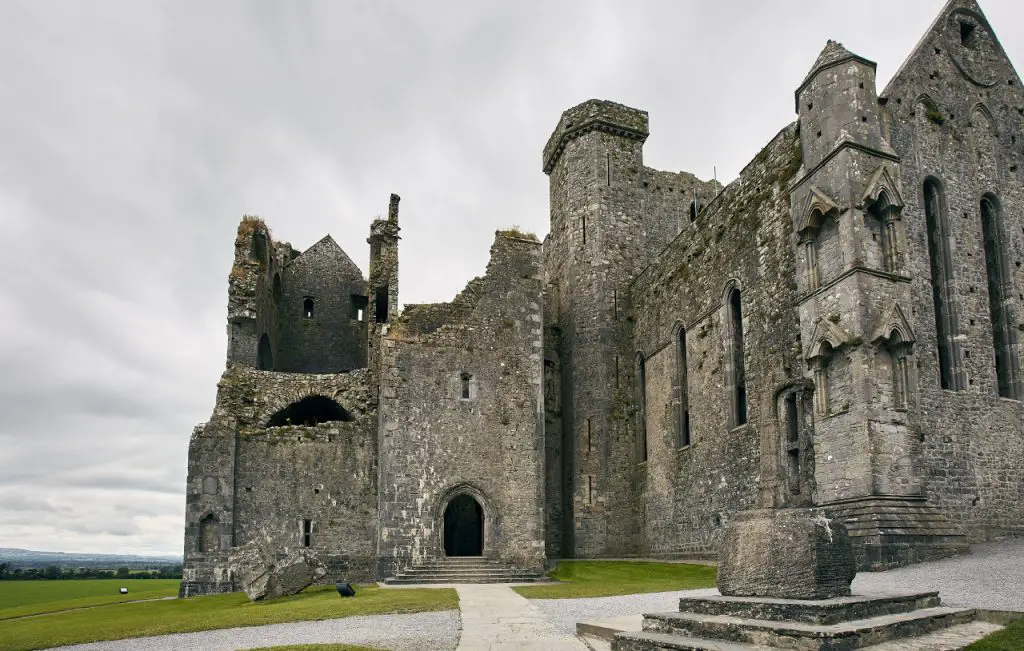
Ireland is a country filled with stunning landscapes, rich history, and vibrant culture. Discovering this beautiful land means exploring must-see places that showcase its unique charm. You will find a mix of natural wonders, historic sites, and lively cities that make your visit unforgettable.
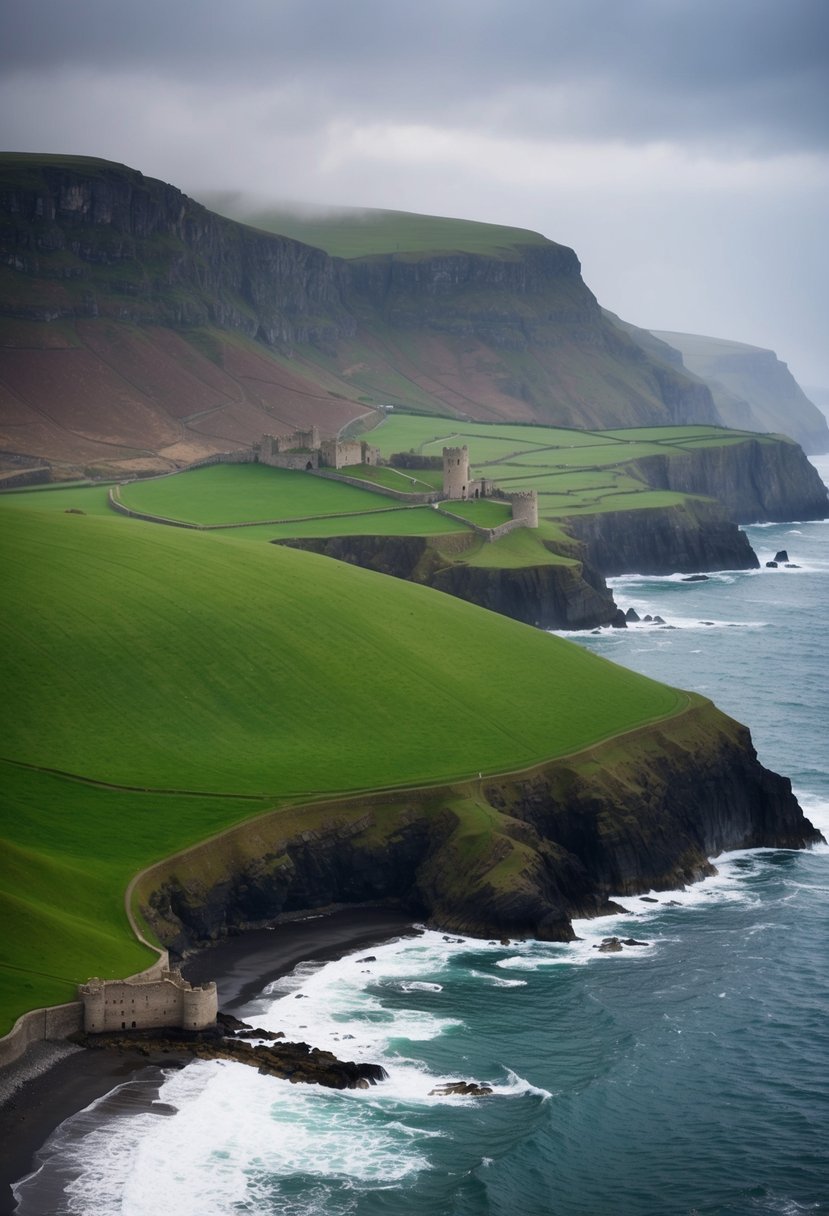
From breathtaking cliffs to ancient castles, each destination tells a story of Ireland’s past and its people. Visiting these spots allows you to experience the true essence of the Emerald Isle. These must-see places will enhance your trip and leave you with lasting memories.
Cliffs of Moher
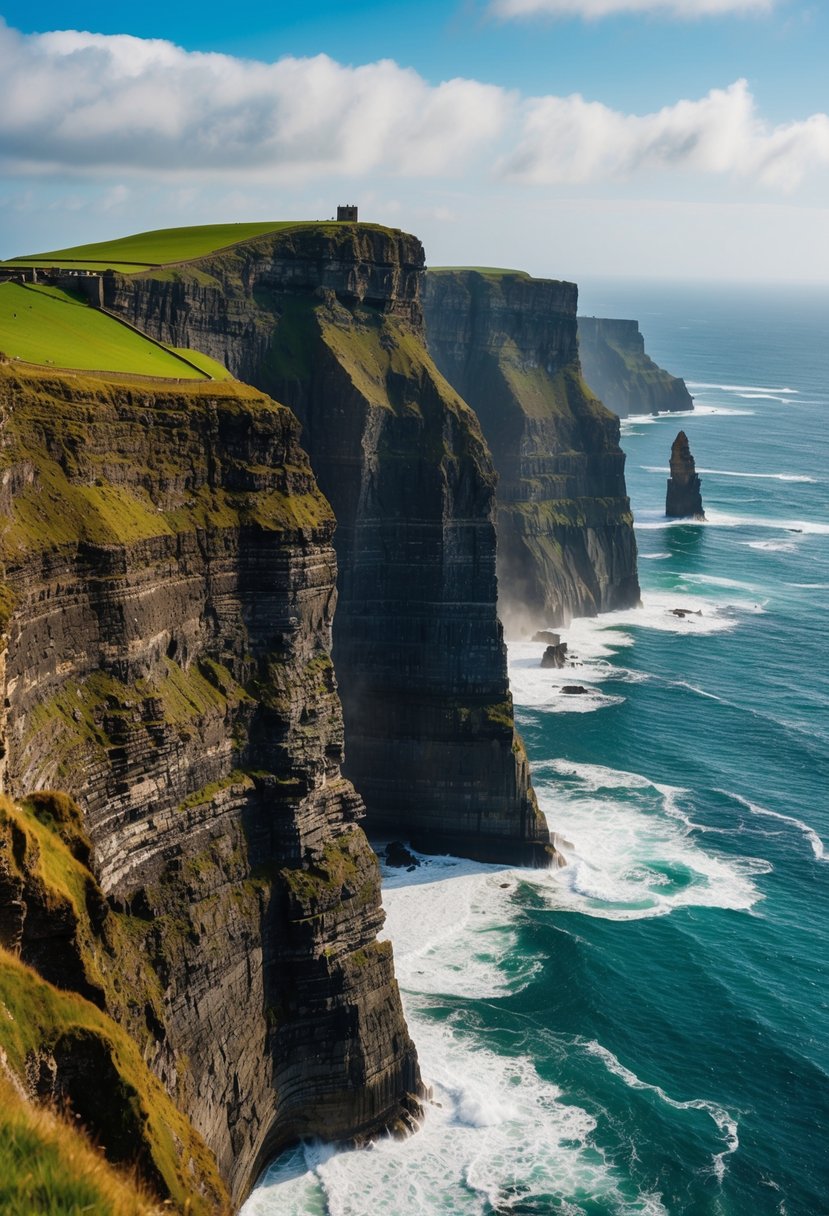
The Cliffs of Moher are one of Ireland’s most stunning natural attractions. Rising over 700 feet, they offer breathtaking views of the Atlantic Ocean.
Walking along the paved paths, you can admire the dramatic landscape. Safety is essential, so stay clear of the unguarded edges. It’s easy to enjoy the cliffs while being mindful of safety.
A popular spot at the cliffs is O’Brien’s Tower. This stone tower, built in the 19th century, provides a fantastic view of the cliffs and surrounding area. Climbing to the top can enhance your experience.
The Cliffs draw more than a million visitors every year. Whether you come during summer or winter, the beauty of the cliffs is always impressive.
Nearby, you can explore the Aran Islands or enjoy local wildlife. The cliffs are not just a beautiful landscape; they are also a rich habitat for birds.
Visiting the Cliffs of Moher is a must on your trip to Ireland. Make sure to capture some great photos of this natural wonder while you’re there.
2: Giants Causeway
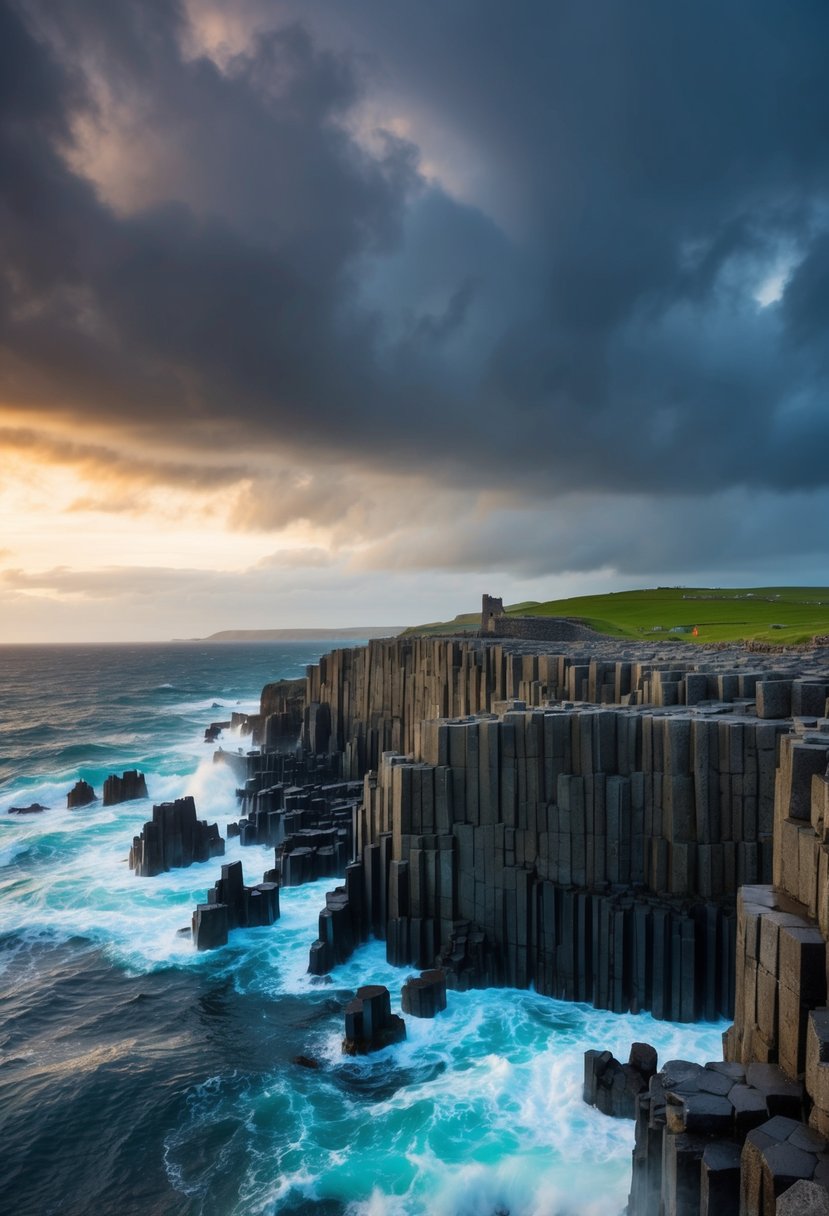
The Giant’s Causeway is a stunning natural wonder located in County Antrim, Northern Ireland. This site features around 40,000 interlocking basalt columns formed by volcanic activity about 60 million years ago.
As you explore, you will see unique formations that resemble stepping stones. These columns create a fascinating landscape that attracts many visitors each year.
The Grand Causeway is the largest part of the site. You can walk among the columns and take in the breathtaking views of the surrounding coastline.
This site is not only beautiful but also holds historical significance. It was designated as a UNESCO World Heritage Site in 1986, highlighting its importance.
Near the Giant’s Causeway, you can find attractions like the Giant’s Boot and the Giant’s Pipe Organ. These formations add to the magic of this incredible location.
Visiting the Giant’s Causeway offers a mix of natural beauty and cultural history. It is truly a must-see place on your trip to Ireland.
3: Ring of Kerry
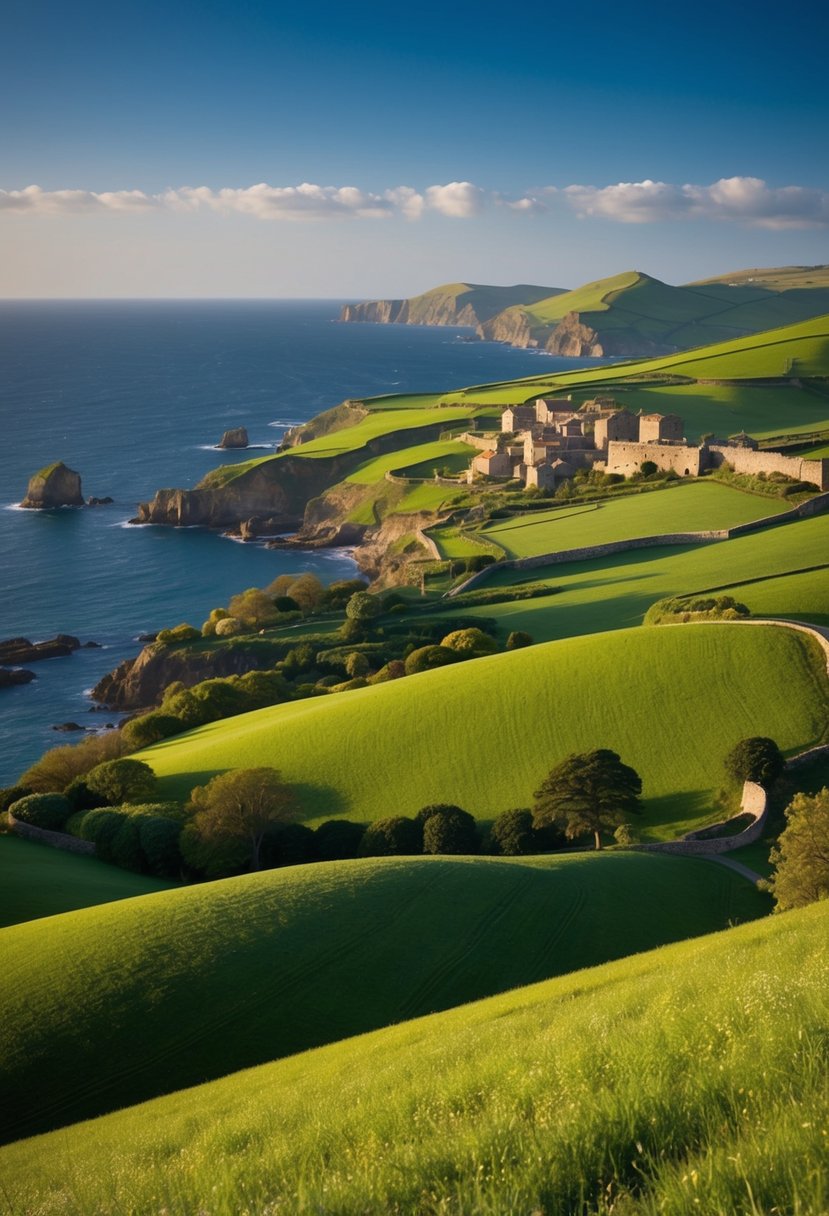
The Ring of Kerry is a must-see destination in Ireland. This scenic route stretches about 179 kilometers through County Kerry, showcasing stunning landscapes.
You will drive through charming villages like Kenmare. These picturesque towns offer local shops and cafes that invite you to explore.
As you travel, you will see rugged coastlines and mountains. The natural beauty here is breathtaking and perfect for photography.
Killarney National Park is along the route, featuring attractions like Ross Castle and Muckross House. The park is home to beautiful lakes and hiking trails.
Derrynane Beach, known for its fine sand and clear water, is a highlight. It’s a great spot to relax and take in the scenery.
Be sure to stop at viewpoints for the best vistas. Each turn reveals something new, making this drive memorable.
The Ring of Kerry is a perfect blend of nature and culture. You will leave with unforgettable memories of Ireland’s beauty.
4: Blarney Castle
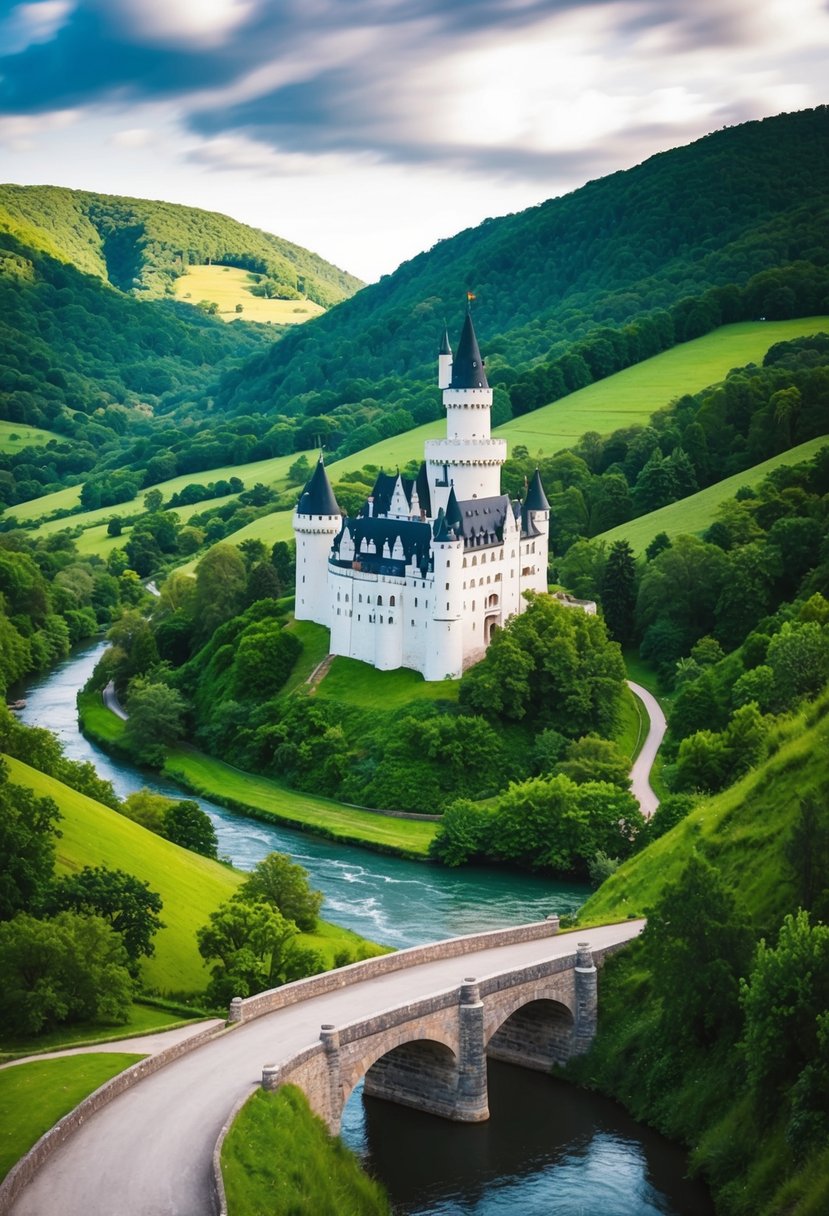
Blarney Castle, located near Cork, is famous for the Blarney Stone. Kissing this stone is said to grant you the gift of eloquence. This historic site draws visitors from all over the world.
The castle dates back to around 1446 and features stunning architecture. You can explore the beautiful gardens surrounding the castle, which include the unique Poison Garden. This garden showcases various plants known for their toxic properties.
Blarney Castle is open year-round, except on Christmas Eve and Christmas Day. It is best to visit in the morning to avoid large crowds. You can easily reach the castle from Cork city, making it a convenient day trip.
Make sure to take your time exploring the grounds. The serene setting offers a wonderful escape into nature and history. Your visit to Blarney Castle will be a memorable experience filled with charm and beauty.
5: Connemara National Park
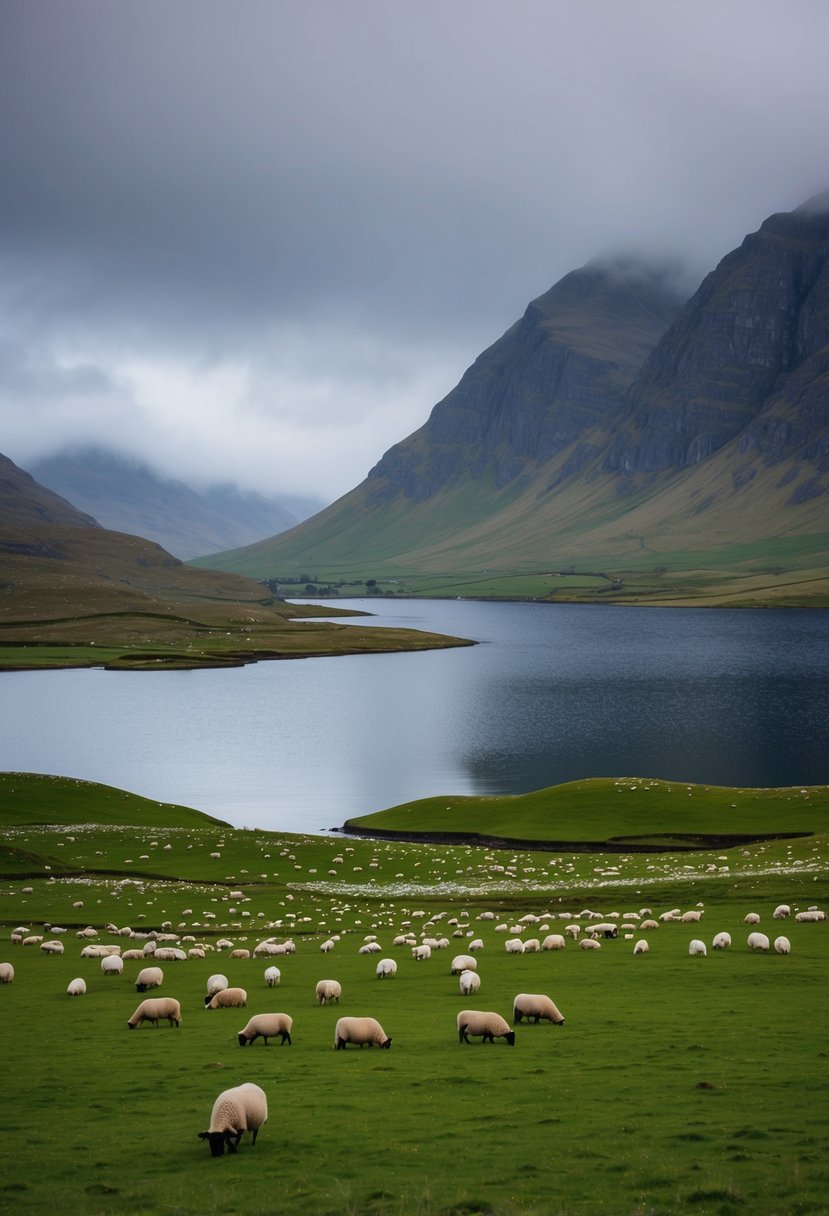
Connemara National Park is a stunning destination located in County Galway. It offers breathtaking views and a variety of outdoor activities. You will find this park about a 1 hour and 25 minute drive from Galway City.
The park covers over 2,000 hectares and is home to beautiful landscapes, including mountains, forests, and lakes. As you explore, you can experience the unique flora and fauna of the region.
One of the park’s highlights is the Twelve Bens mountain range. This is great for hiking and provides scenic trails at different skill levels. You might also enjoy the picturesque views from the summit.
Cycling is another popular activity here. The park features scenic routes that allow you to enjoy the beauty of the area. Many visitors come to capture the natural beauty through photography.
Don’t forget to visit the Visitor Centre. It offers information about the park and its attractions. The staff can help you plan your visit for the best experience in Connemara.
For more information on things to do, check out the guide on Connemara National Park.
Cultural Significance
Ireland’s culture is rich and diverse, shaped by its traditions and historical events. Understanding these elements enhances your appreciation of the places you visit.
Irish Traditions
Irish traditions play a vital role in the cultural landscape. Music, dance, and storytelling are central to community life. Traditional Irish music features instruments like the fiddle, tin whistle, and bodhrán.
Festivals such as St. Patrick’s Day celebrate these traditions. They highlight the importance of community and sharing stories. You will often find locals engaging in lively dances that express their joy and heritage.
Cuisine also reflects cultural significance. Dishes like Irish stew, soda bread, and colcannon showcase local ingredients and flavors. Many of these recipes have been passed down through generations, connecting people to their ancestry.
Historical Context
Ireland’s history is marked by significant events that shaped its modern identity. From ancient times through the Viking invasions to British rule, each era has left its mark. Historical sites, like the Hill of Tara and the Rock of Cashel, tell stories of kings, battles, and heritage.
The struggle for independence in the early 20th century transformed the nation. This history is evident in places like Dublin, where you can explore monuments and museums that commemorate key events and figures.
Understanding this historical context enriches your experience. It provides insight into the resilience and spirit of the Irish people. Visiting these sites allows you to see how history influences modern life in Ireland.
Natural Landscapes
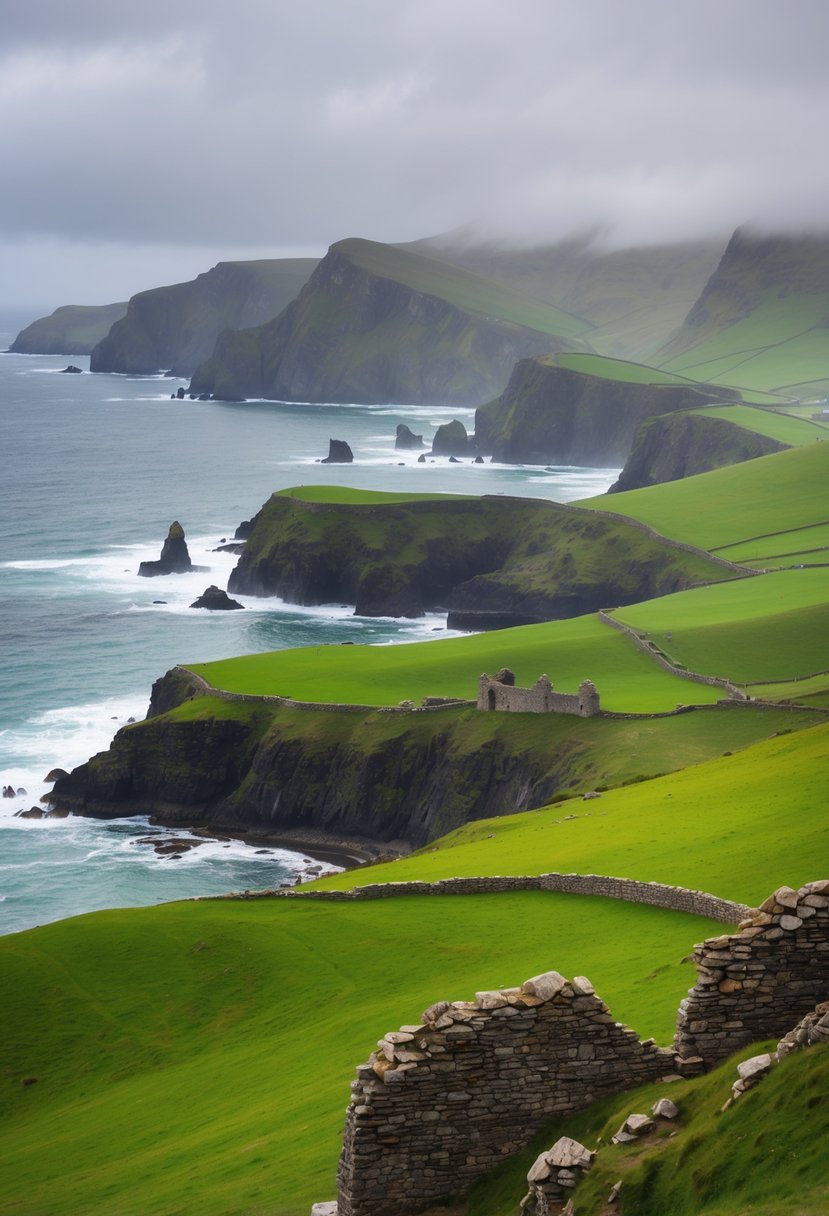
Ireland is famous for its stunning natural landscapes. You will find unique landforms shaped by geological forces and a rich variety of flora and fauna that you won’t see anywhere else.
Unique Landforms
Ireland’s landscape features breathtaking landforms. The Cliffs of Moher in County Clare stand over 700 feet tall. They offer impressive views of the Atlantic Ocean.
The Giant’s Causeway in Antrim is known for its unique hexagonal basalt columns formed by volcanic activity. This UNESCO World Heritage Site attracts many visitors each year.
Another notable spot is the Burren, which is famous for its limestone pavement. The terrain supports many rare plant species. You can explore its eerie beauty on foot.
These incredible features showcase Ireland’s geological history and provide fantastic locations for outdoor activities, such as hiking and photography.
Biodiversity and Conservation
Ireland is home to a diverse range of ecosystems. From coastal areas to mountains, these habitats support various plant and animal species.
The Wild Atlantic Way provides numerous natural reserves and parks that protect this biodiversity. Areas like Killarney National Park preserve unique habitats, including ancient woodlands and lakes.
Inland, the ** peat bogs** play a crucial role in carbon storage. They are important for many wildlife species. Conservation efforts focus on protecting these crucial habitats and restoring damaged areas.
You can contribute to conservation by respecting wildlife and following guidelines when enjoying these natural sites. Your actions help preserve Ireland’s beautiful landscapes for future generations.