Things to Do in Denver: A Comprehensive Guide to the City’s Best Attractions
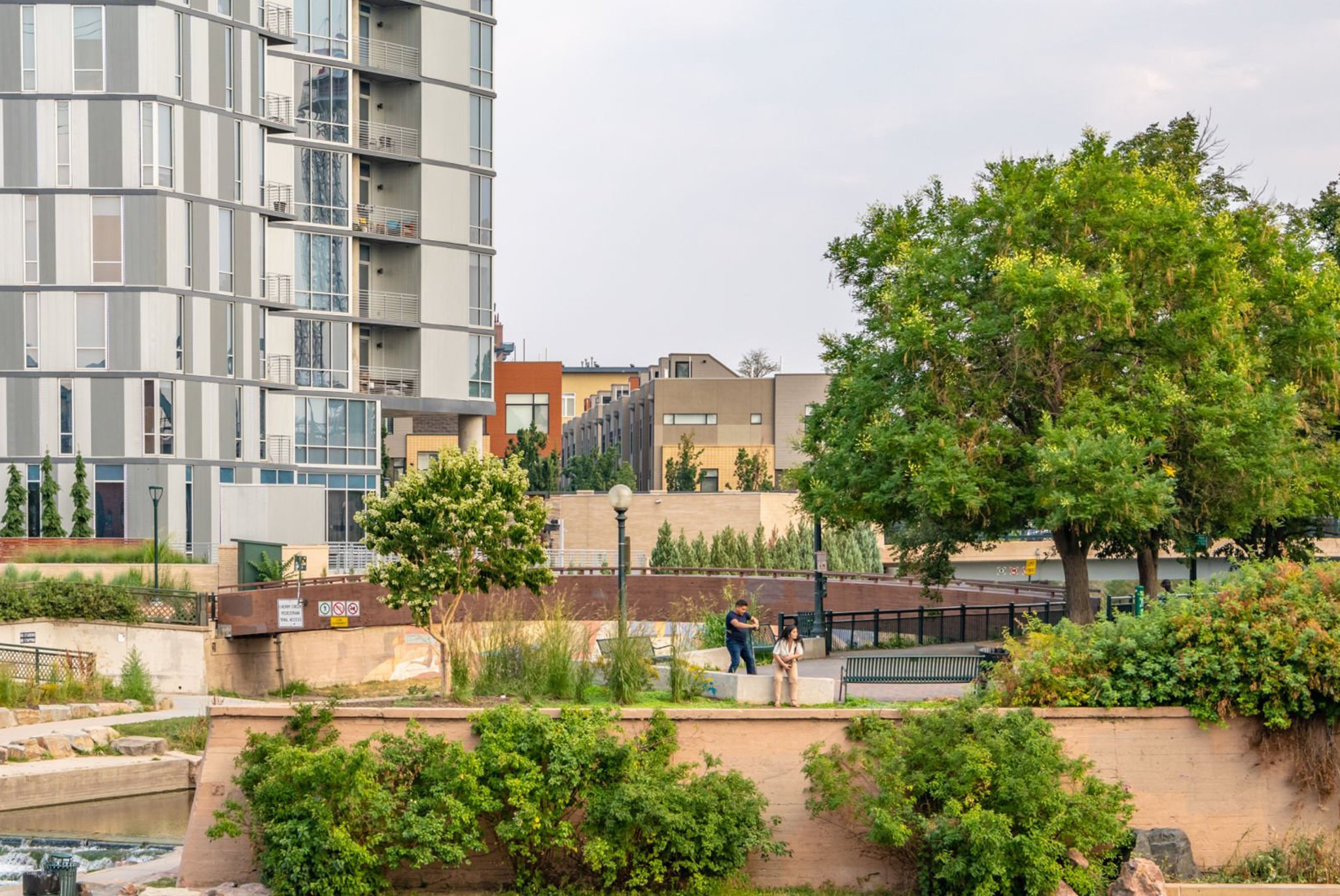
Denver is a vibrant city nestled against the Rocky Mountains, offering a variety of activities and attractions. Whether you seek outdoor adventures, cultural experiences, or lively entertainment, you will find plenty to enjoy. Exploring the best things to do in Denver can lead you to unforgettable experiences that highlight the city’s unique charm.
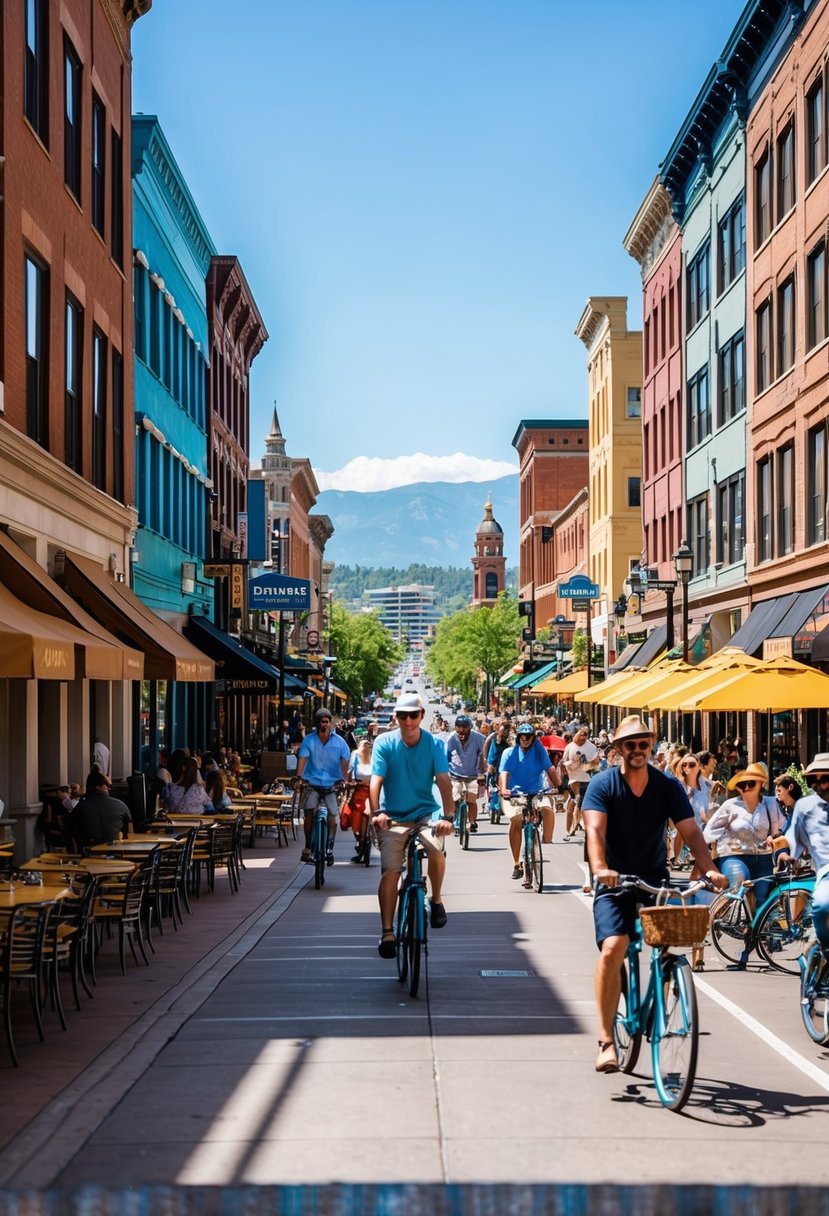
From parks and museums to concerts and local cuisine, there’s something for everyone in Denver. You might enjoy scenic drives, art districts, or lively nightlife. The city’s blend of natural beauty and urban excitement makes it a destination worth exploring.
1: Visit the Denver Art Museum
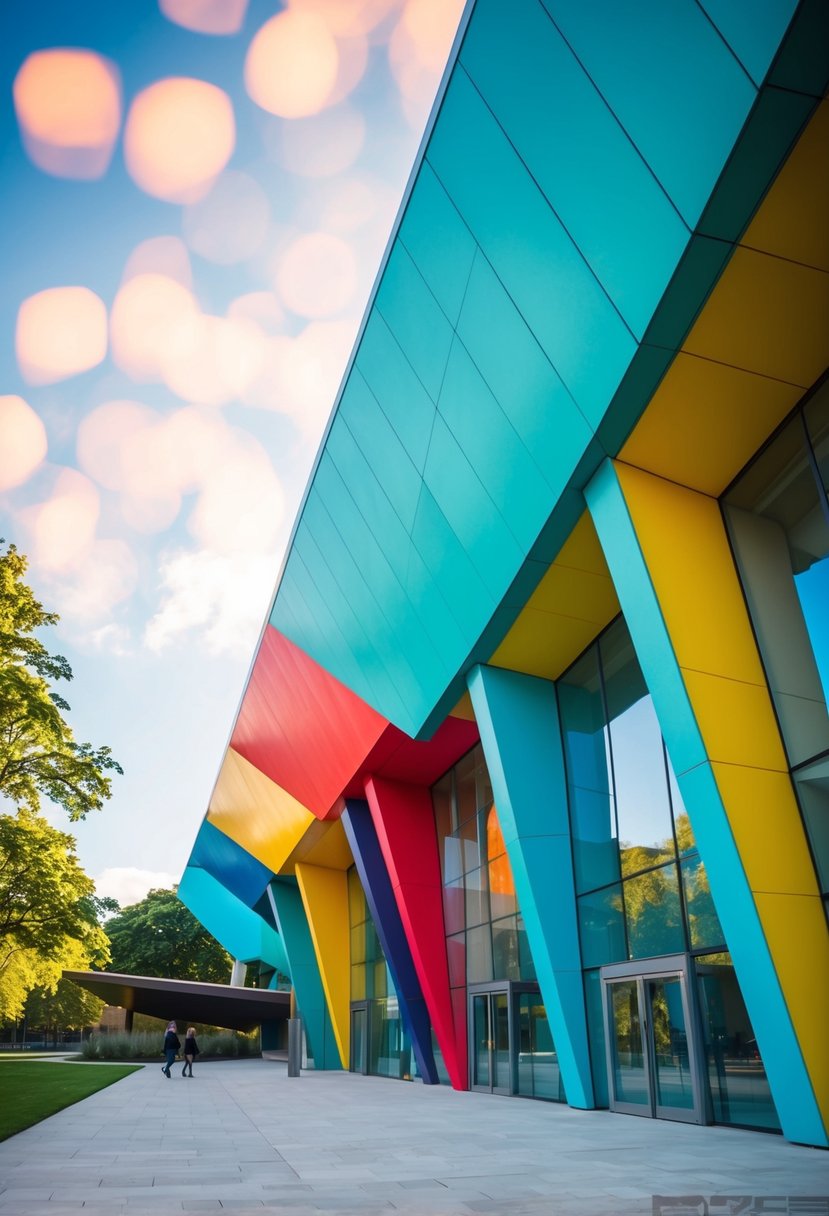
The Denver Art Museum is a must-see for art lovers. It features a diverse collection that spans various cultures and time periods. You can explore over 4,000 artworks, including Native American art and contemporary pieces.
Plan your visit to include both the Denver Art Museum and the Kirkland Museum of Fine & Decorative Art. Your ticket will give you access to both, adding to your experience.
Consider taking the “Let’s Get Moving” audio guide to learn more about the outdoor sculptures. The museum grounds offer a unique blend of art and nature.
Don’t miss the Asian art collection, showcasing works from countries like China, Japan, and India. This collection ranges from ancient artifacts to modern artworks.
Make sure to check for any special exhibits or events happening during your visit. The museum often hosts engaging programs for families and individuals alike.
2: Explore the Denver Botanic Gardens
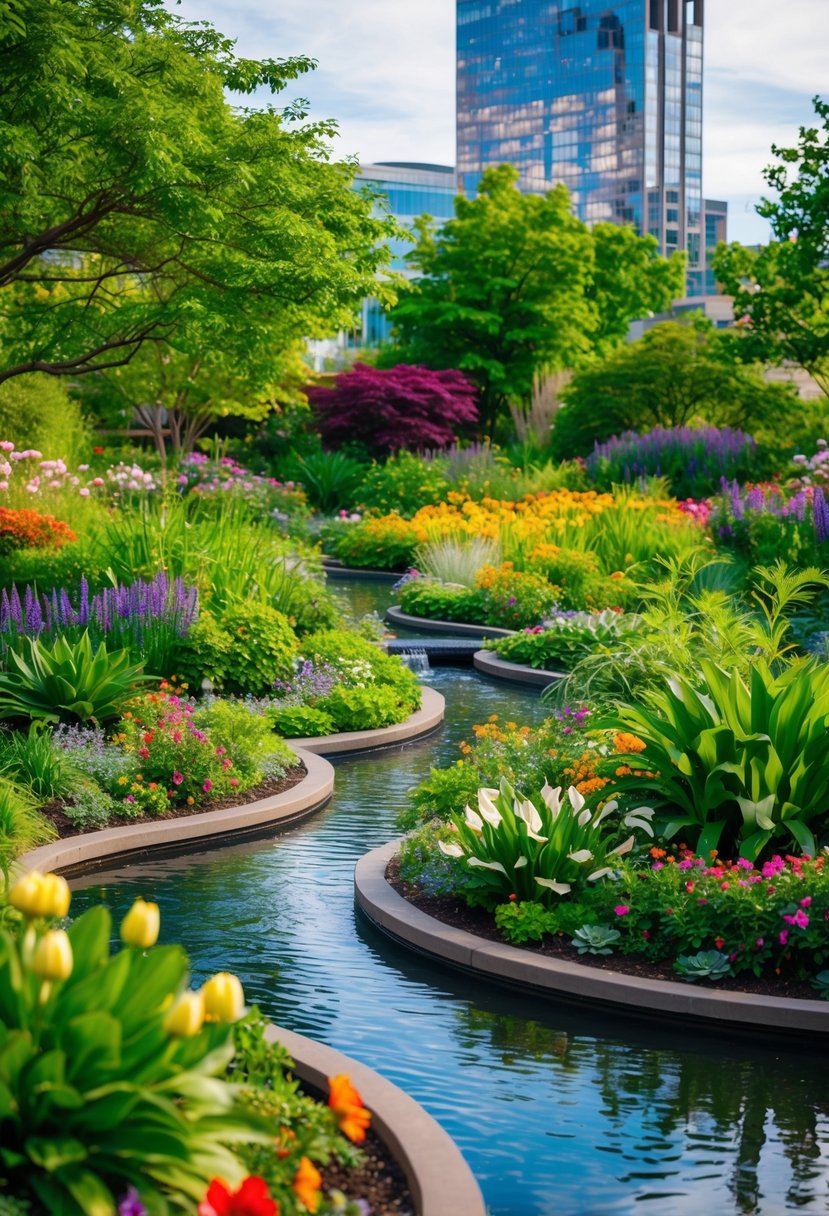
The Denver Botanic Gardens is a beautiful place to visit. It spans 23 acres and features more than 50 unique gardens. Each area showcases different plants from various climates.
You should plan to spend 2 to 4 hours exploring. This gives you enough time to enjoy the sights and take photos. The best time to visit is in the morning when the gardens are less crowded.
As you walk through, you can experience many special events throughout the year. Seasonal displays add to the charm and excitement of the gardens.
Don’t forget to check out the visitor center for information and tips. Parking is available, making it easy to get there. To find out the latest details, visit the Denver Botanic Gardens’ official website for more information.
3: Stroll through Larimer Square
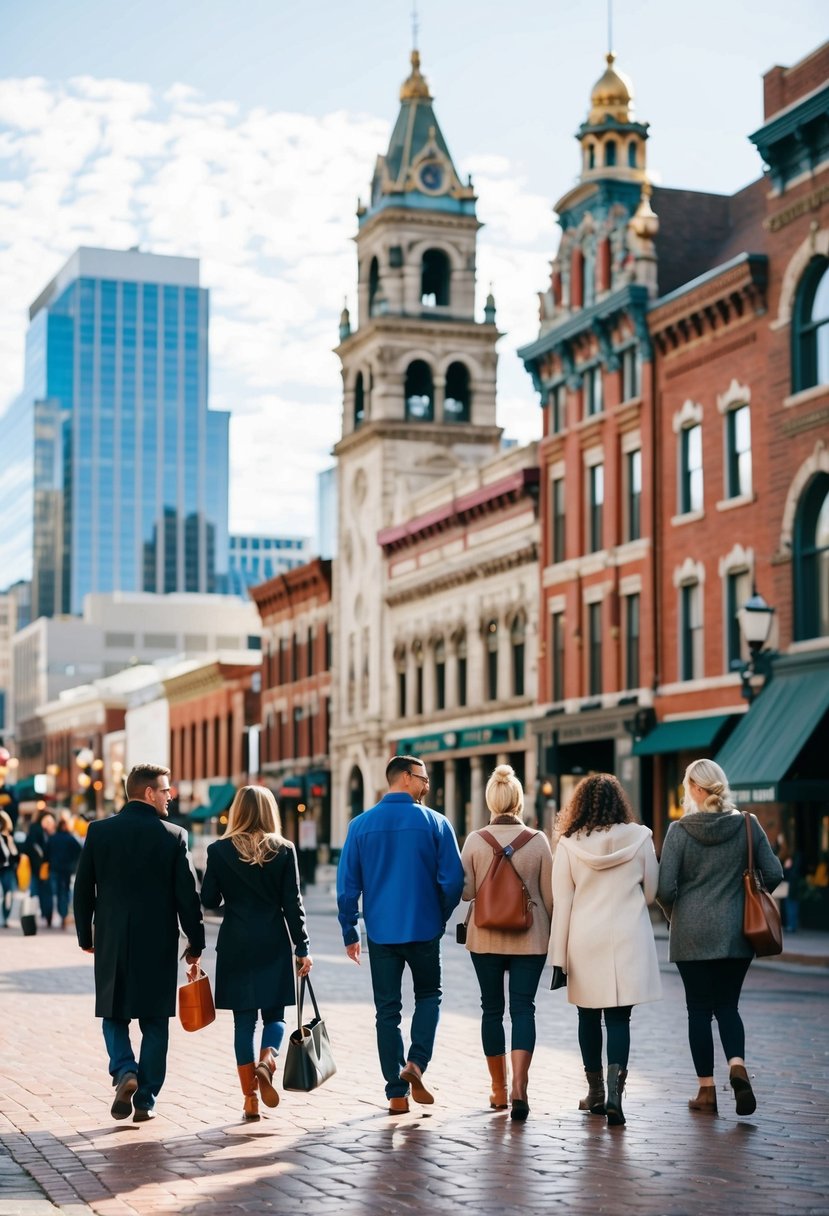
When you visit Denver, strolling through Larimer Square is a must. This historic area is known as Denver’s first city block. The square combines charm with modern vibrancy.
As you walk, you will see unique shops and trendy restaurants. The open-air atmosphere makes it a great place to enjoy window shopping or a nice meal.
Look for local boutiques that offer one-of-a-kind items. You might find special souvenirs or fashion pieces that appeal to you.
Larimer Square also hosts various events throughout the year. These events can add even more excitement to your visit.
Be sure to take in the beautiful architecture. The twinkling lights in the evening create a cozy and inviting vibe.
Whether you’re looking to relax with a coffee or explore local culture, Larimer Square has something for everyone. Enjoy your time in this vibrant part of downtown Denver.
4: Tour the Historic Union Station
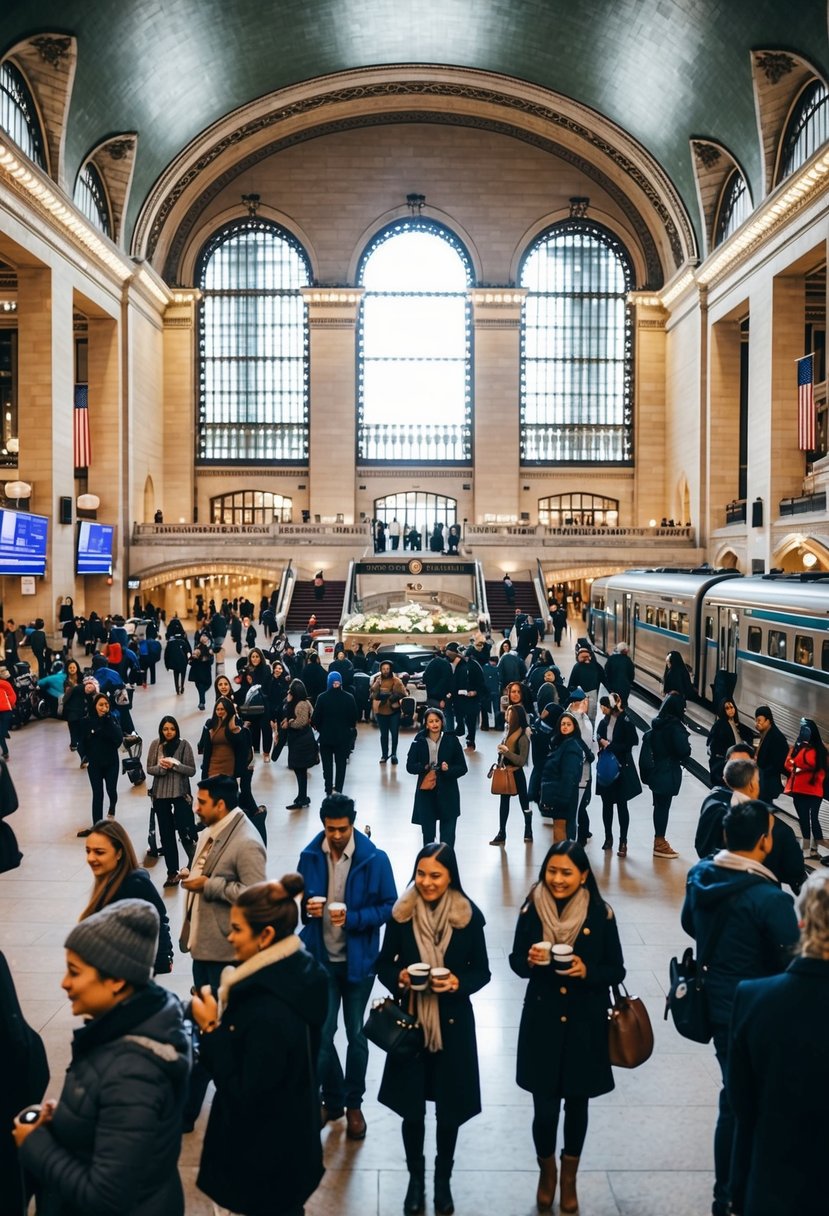
Visiting Union Station is a must when you’re in Denver. This historic landmark is not just a train station; it’s a bustling hub of activity.
The recently renovated building features beautiful architecture and a lively atmosphere. You can explore shops, restaurants, and bars that highlight local culture.
Join a walking tour that starts and ends at Union Station. It takes about 90 minutes and covers interesting history and architecture.
As you stroll around, enjoy the unique blend of the past and present. The station also offers convenient access to various tours and attractions throughout the city.
Relax in the space or grab a bite at one of the many eateries. With something for everyone, Union Station is a great place to start your adventure in Denver.
5: Hike at Red Rocks Park and Amphitheatre
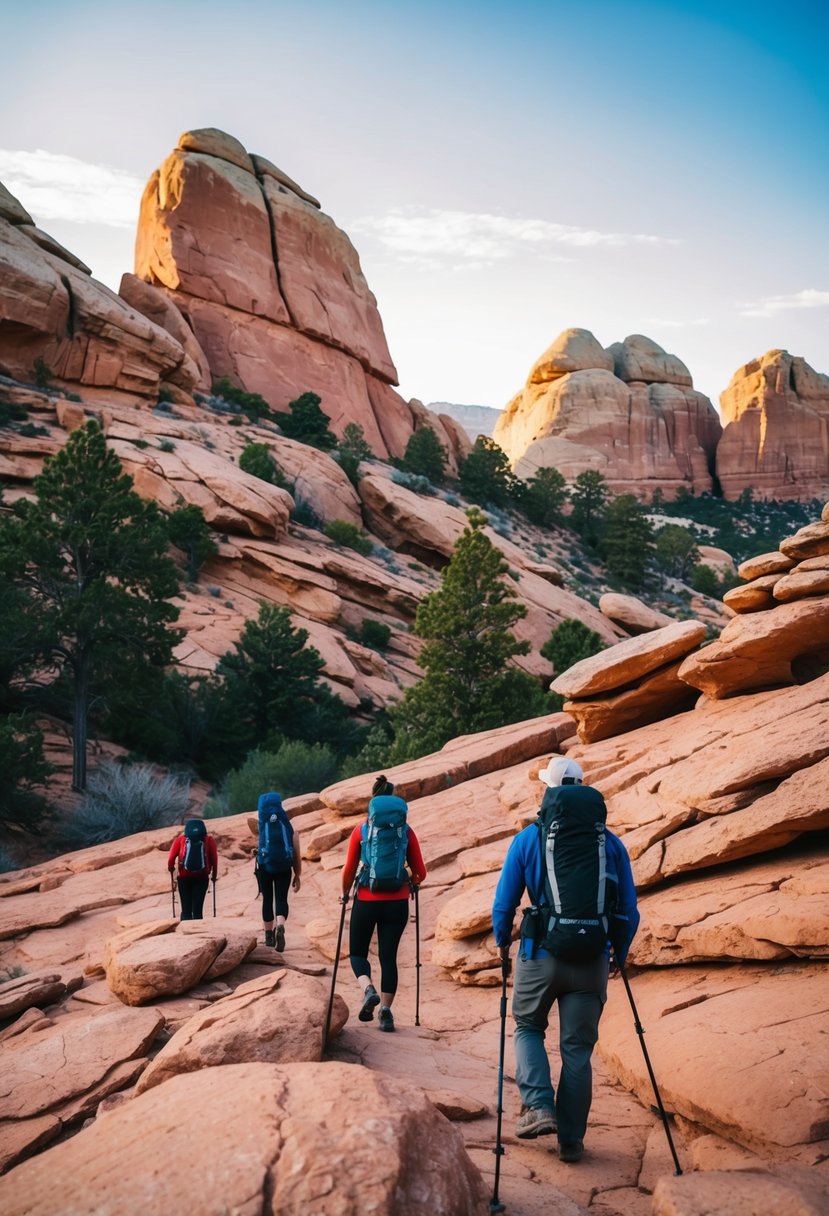
Exploring Red Rocks Park and Amphitheatre offers a unique hiking experience. The park features stunning views of red rock formations and beautiful trails.
You can start with the Trading Post Trail, a 1.4-mile loop that showcases ten giant rock formations. This trail is just 25 minutes from downtown Denver.
For an easy climb, try the Geologic Overlook Trail. It’s one mile long with a 450-foot elevation gain. The views from the top are worth the effort.
The area is perfect for spotting wildlife and enjoying nature. You can also see the vibrant landscape that surrounds the city.
Hiking at Red Rocks is accessible to everyone, making it a great choice for families and individuals alike. Whether you prefer a short stroll or a more challenging hike, you will find the right trail for your skill level.
History of Denver
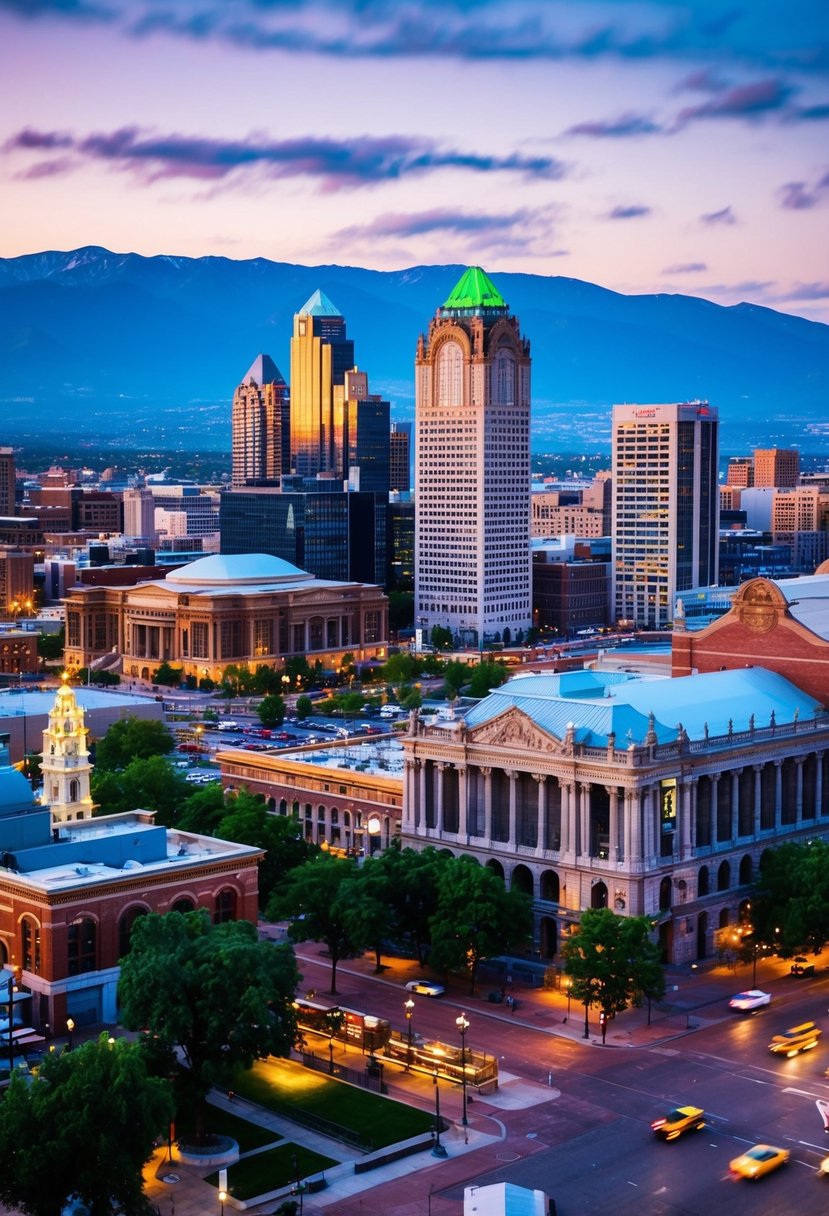
Denver has a rich and varied history that reflects its growth from a small mining camp to a bustling city. Understanding this history gives you insight into the city’s culture and heritage.
Founding and Early Development
Denver was founded in November 1858 during the peak of the Colorado Gold Rush. It started as a mining town called “Montana City,” which quickly evolved into Denver City after being named for Kansas Territorial Governor James W. Denver.
The location was strategic, near the South Platte River and the Rocky Mountains. This made it an ideal spot for miners and settlers. Denver was officially incorporated in 1861.
In its early years, the city faced challenges such as harsh weather and limited resources. Despite this, it began to grow, attracting more people seeking fortune. By the late 1800s, Denver had established itself as a trade center. The arrival of the railroad in 1870 boosted construction and commerce.
Denver’s Role in the Gold Rush
The Gold Rush played a crucial role in shaping Denver’s identity. Initially, gold was discovered in 1858 in nearby streams, sparking a massive influx of miners.
As news spread, thousands came to seek wealth. Denver became known as the gateway to the goldfields. The city provided supplies, services, and support for miners heading into the mountains.
Mining camps in the area were often temporary, but Denver’s improvements established it as a permanent settlement. This rush led to the rapid development of businesses, banks, and even schools. The discovery of silver in the late 19th century further solidified Denver’s status as a mining hub.
Today, you can explore historic sites that celebrate this rich legacy, such as the Denver Firefighters Museum, which showcases the city’s developmental milestones.
Cultural Significance
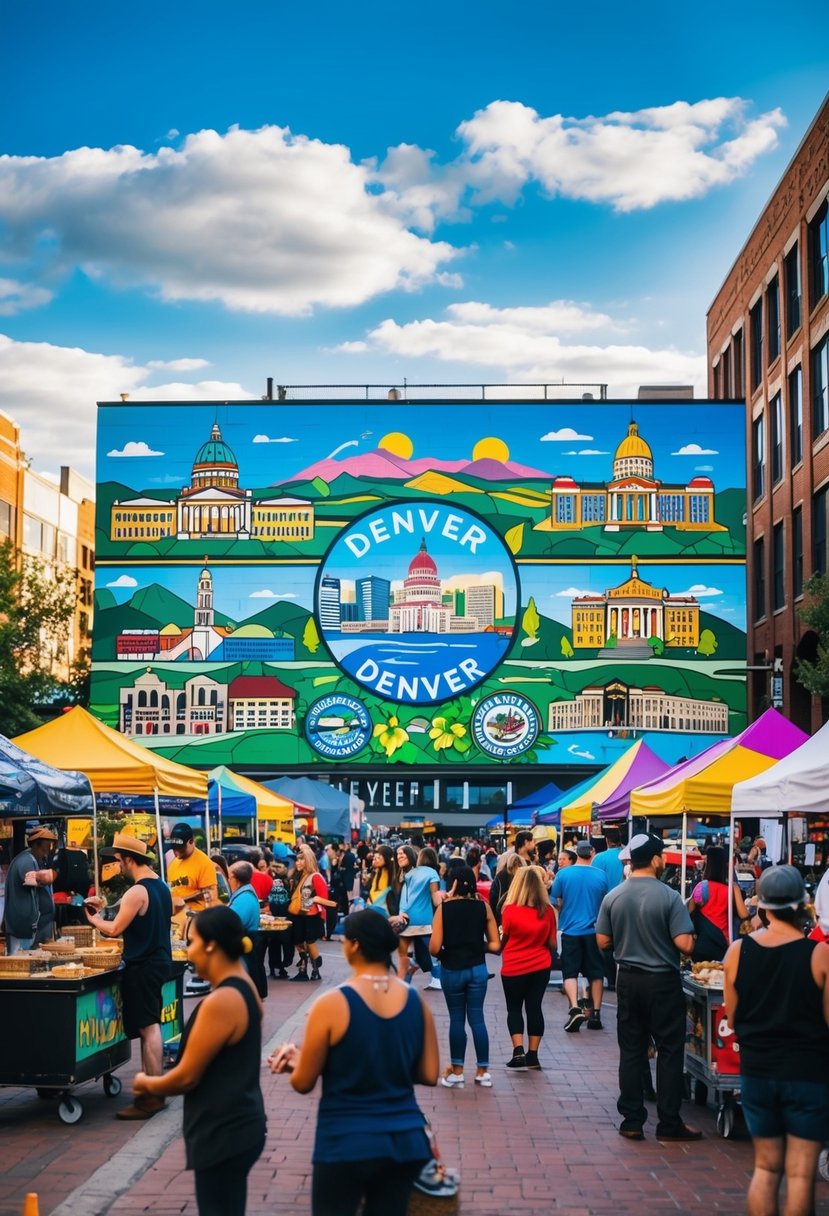
Denver’s cultural scene is vibrant and diverse. The city offers a rich mix of art, music, and multicultural neighborhoods that highlight its unique heritage.
Art and Music Scene
Denver boasts a lively art and music scene. You can explore various world-class museums and galleries, including the Denver Art Museum and the Clyfford Still Museum. These venues showcase local and international artists.
Street art adds a unique touch to the city. You will find murals and installations in neighborhoods like RiNo Art District, which attracts many visitors.
For music, don’t miss the iconic Red Rocks Amphitheatre, known for its stunning acoustics and outdoor concerts. Local performances can be found throughout the city, from small venues to grand theaters, reflecting Denver’s creative spirit.
Diverse Neighborhoods
The neighborhoods of Denver reflect its rich cultural tapestry. Areas like Five Points have deep historical roots, showcasing African American culture.
You can also visit the Santa Fe Arts District, known for its galleries and art walks. The mix of restaurants, shops, and community events contributes to its lively atmosphere.
In addition, the city’s diverse heritage is celebrated in festivals and events throughout the year. This creates a welcoming environment for everyone, making Denver a place where cultures blend beautifully.