Things to Do in Texas: A Comprehensive Guide to the Lone Star State
Texas is a vast state known for its unique blend of cultures, landscapes, and activities. Whether you are looking for outdoor adventures, historic sites, or vibrant city life, there is something for everyone. You can explore a wide range of attractions that showcase the diverse beauty and rich heritage of the Lone Star State.

From scenic parks to lively festivals, Texas offers a multitude of experiences that cater to different interests. There are opportunities to enjoy nature, taste local cuisine, and immerse yourself in the arts. You will find countless things to do that highlight the spirit and charm of Texas.
1: Visit the Alamo in San Antonio
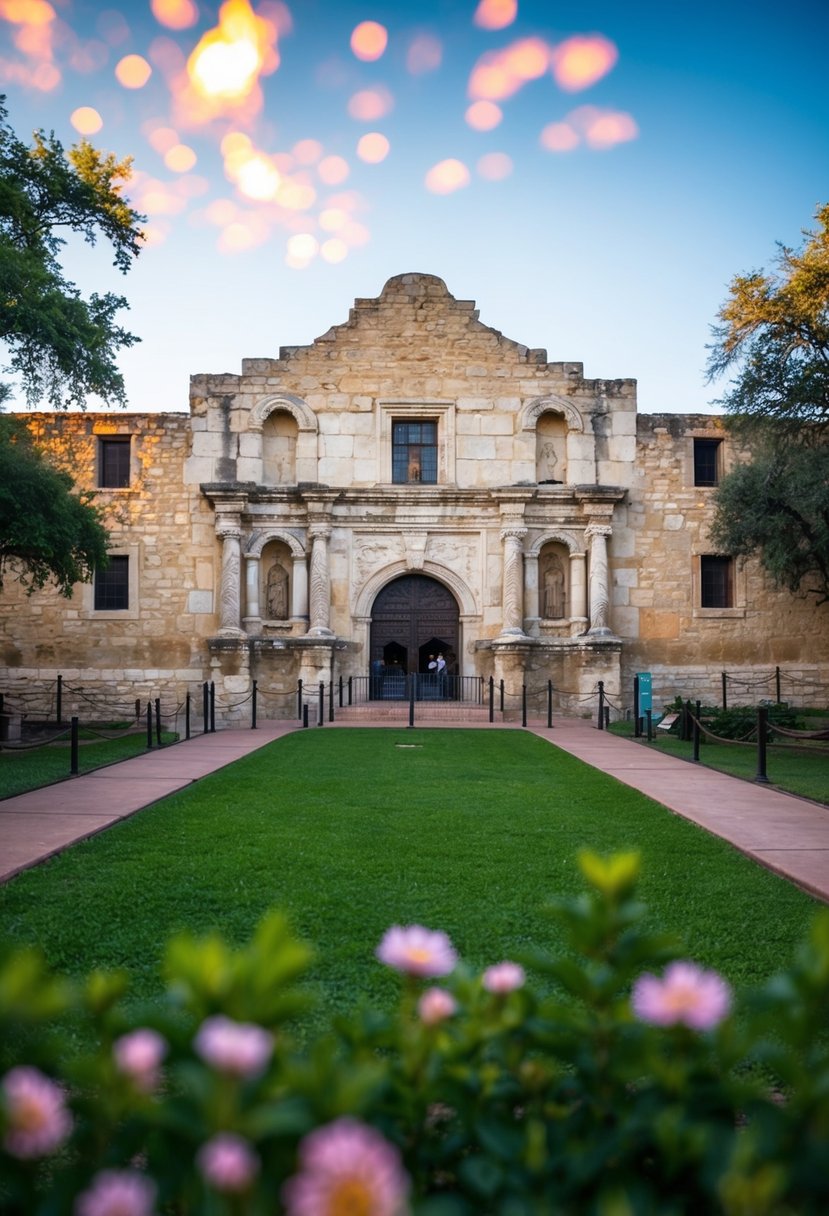
Visiting the Alamo is a must when you are in San Antonio. This historic site is famous for its role in Texas history and is a symbol of Texas independence.
At the Alamo, you can explore its rich history. The site includes a museum and exhibits that showcase artifacts from the battle of 1836. You’ll find guided tours that provide deeper insights into the events that took place here.
The Alamo is located in the heart of San Antonio, making it easy to access. You can also check out the surrounding area, which has shops and restaurants.
The Alamo is open daily from 9 a.m. to 5:30 p.m., so you have plenty of time to visit. Planning your trip can help you make the most of your time.
Don’t forget to take photos to capture this important piece of history. A visit to the Alamo will leave you with a greater appreciation for Texas’s past.
2: Explore the Space Center in Houston

Visiting the Space Center Houston is a must for anyone interested in space exploration. You can see real spacecraft and artifacts that highlight human achievements in space.
The Starship Gallery features flown spacecraft, including the Apollo 17 Command Module. Here, you can learn about the history of missions to the Moon and beyond.
Don’t miss the NASA Tram Tours. These tours take you behind the scenes at NASA’s Johnson Space Center. You’ll see Mission Control and astronaut training facilities.
For a hands-on experience, touch a Moon rock. It’s a unique way to connect with the past of space exploration.
Tickets for the Space Center cost around $29.95 to $34.95 for adults. Prices may vary based on the day and time you visit.
Plan your trip to explore exciting exhibits and learn about future missions. The Space Center offers a chance to inspire curiosity in space travel for all ages.
3: Tour the Sixth Floor Museum at Dealey Plaza in Dallas

Visiting the Sixth Floor Museum at Dealey Plaza offers a unique chance to explore a significant part of American history. The museum is located in the former Texas School Book Depository, where President John F. Kennedy was assassinated in 1963.
As you enter, you will see exhibits that chronicle JFK’s life, his presidency, and the events surrounding his death. The museum provides a detailed account of the social and political climate of the early 1960s.
You can view photographs, films, and personal artifacts that highlight Kennedy’s impact on the nation. The museum also reflects on his legacy and how it continues to resonate today.
Make sure to take your time with the displays. Each piece offers insights into the historical events that shaped modern America. The Sixth Floor Museum allows you to connect deeply with this pivotal moment in history.
4: Stroll through Zilker Metropolitan Park in Austin
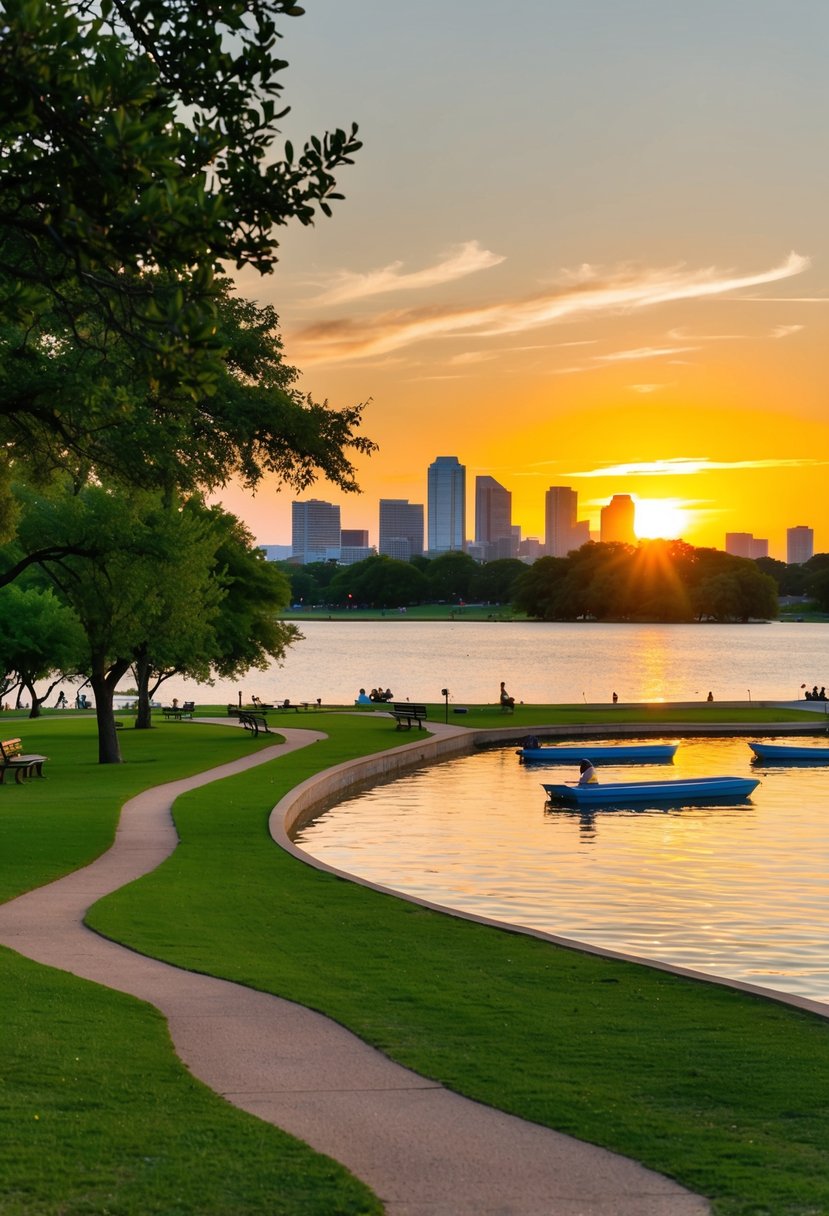
Zilker Metropolitan Park is a wonderful place to explore while in Austin. Spanning over 350 acres, it offers a mix of nature and recreational activities. You can enjoy scenic views along the banks of Barton Creek and the Colorado River.
As you stroll through the park, you’ll find plenty of open spaces and shady areas. These are perfect for picnics, relaxing, or simply enjoying the outdoors. The park’s mostly flat terrain makes it accessible for everyone.
Don’t miss the popular Barton Springs Pool, located at the heart of the park. This natural spring-fed pool is great for a refreshing swim, especially on hot days.
Zilker Park also features several trails for walking and biking. These paths weave through the park, allowing you to explore its beauty at your own pace.
Take your time and soak in the atmosphere. Whether you are there for fun or relaxation, Zilker Metropolitan Park has something for everyone.
5: Experience Big Bend National Park
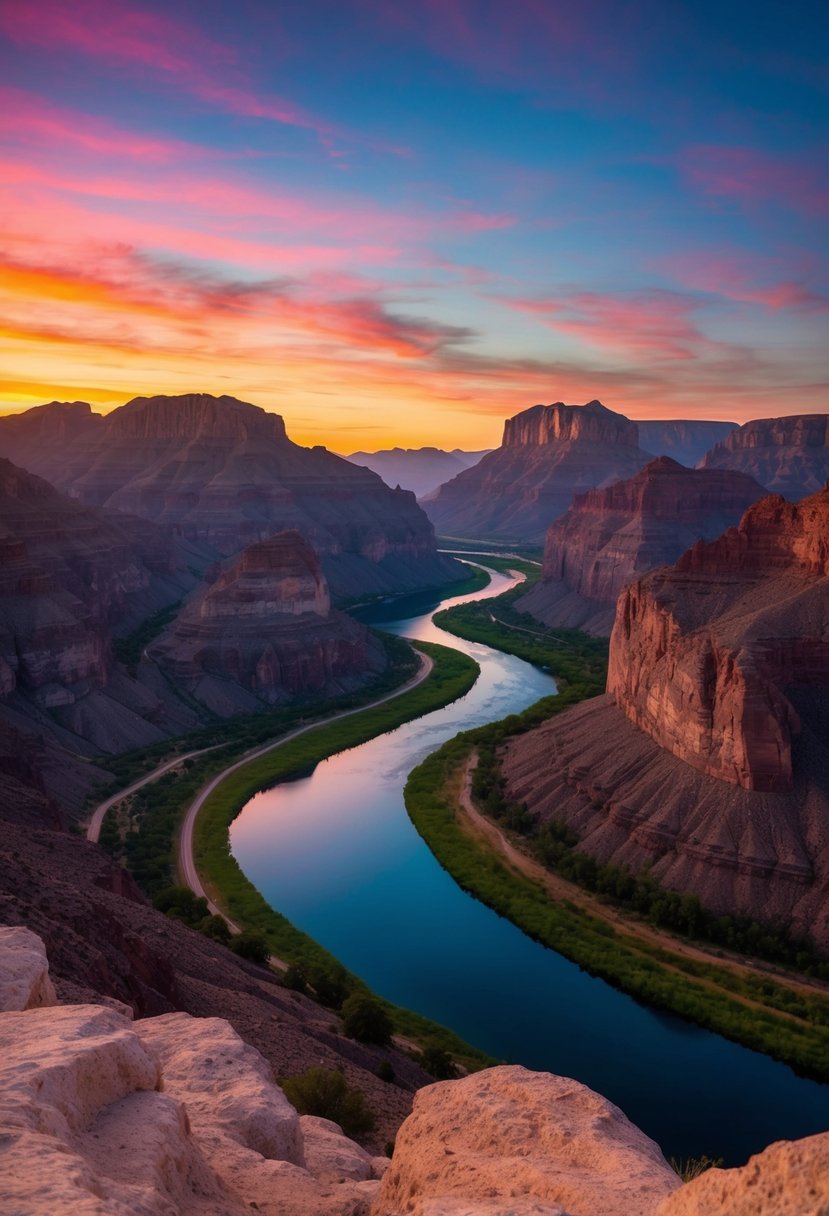
Visiting Big Bend National Park offers a unique chance to explore diverse landscapes. You can hike through mountains, deserts, and along the Rio Grande.
One popular activity is visiting the Fossil Discovery Exhibit, where you learn about ancient plants and animals. This area holds fossils from different periods, including dinosaurs.
Another highlight is the hot springs in the Rio Grande Village. You can soak in natural hot springs that reach 105 degrees Fahrenheit. It’s a nice way to relax after a day of exploring.
Don’t miss hiking to Emory Peak, the highest point in the park. The views from the top are stunning and provide a perfect photo opportunity.
You can also join ranger-led programs to learn more about the park’s history and wildlife. They provide valuable insights and enhance your visit.
Whether you enjoy hiking, soaking in hot springs, or learning about nature, Big Bend National Park has something for everyone.
Geography and Landscape
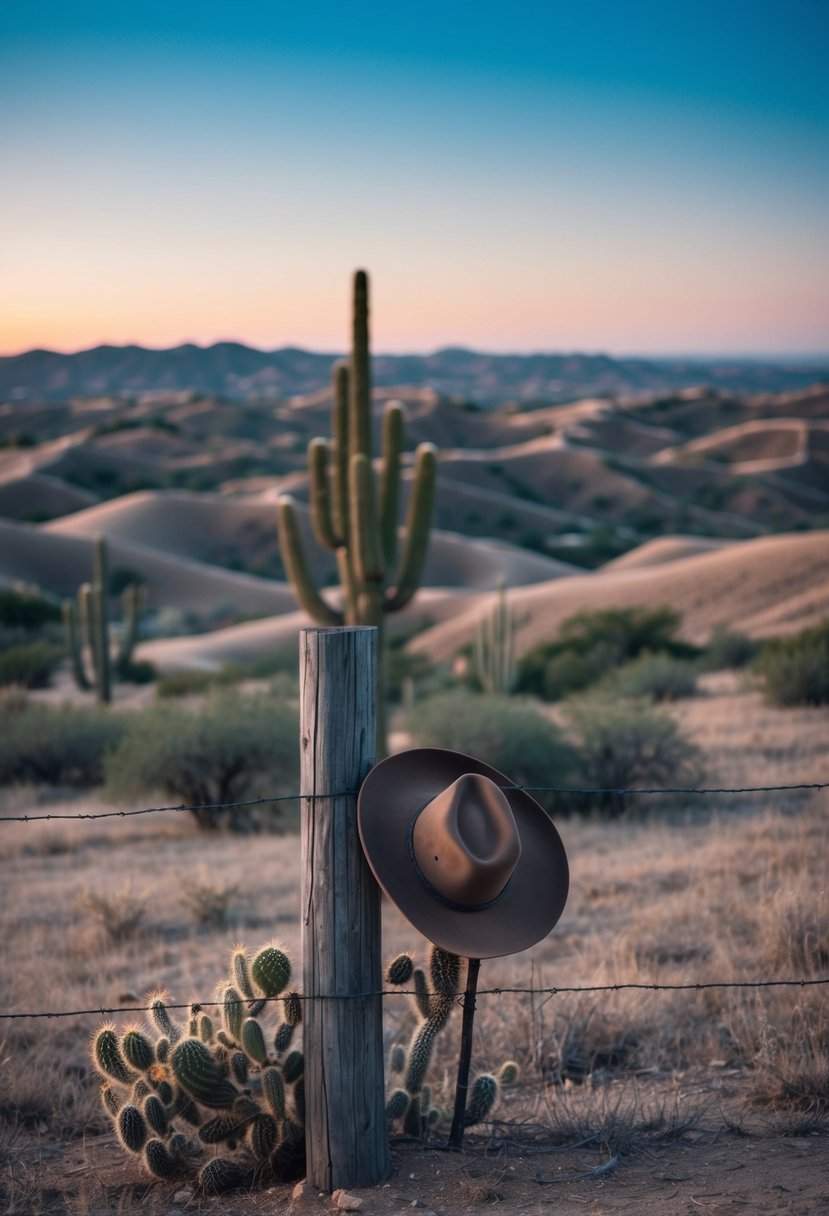
Texas offers a unique combination of diverse landscapes and various ecosystems, making it a fascinating place to explore. From rugged mountains to coastal beaches, each area showcases different natural beauty and wildlife.
Diverse Landscape
In Texas, you will find a wide range of landscapes that cater to many outdoor activities. The state features mountains, plains, forests, and beaches.
- Mountains like those in Big Bend National Park provide breathtaking views and hiking opportunities.
- The Piney Woods region offers lush forests and scenic trails.
- You can enjoy the deserts of west Texas, which are home to unique flora and fauna.
- The Gulf Coast boasts beautiful beaches where you can relax or participate in water sports.
This variety allows for countless adventures, whether you prefer hiking, camping, or simply sightseeing.
Ecosystems and Wildlife
Texas is home to several distinct ecosystems, each supporting different species of wildlife.
- Deserts in the west are known for creatures like the javelina and horned lizard.
- The Coastal Plains support numerous birds, including the roseate spoonbill.
- In the Hill Country, you may encounter deer, armadillos, and various reptiles.
The blend of ecosystems also creates unique habitats. From the wetlands of the Texas coast to the forests in the east, you get the chance to observe a rich diversity of wildlife up close. Understanding these ecosystems can enhance your outdoor experiences in Texas.
Cultural and Historical Significance
Texas is a state rich in cultural and historical importance. From its indigenous roots to its celebrated landmarks, you can explore the diverse heritage that has shaped Texas over centuries.
Indigenous Cultures
Before European settlers, various Indigenous cultures thrived in Texas. Tribes such as the Comanche, Apache, and Caddo established deep connections to the land. They were skilled hunters, farmers, and traders, contributing to the region’s diverse ecosystem.
Today, you can visit various sites that honor these cultures. Museums and cultural centers showcase artifacts, art, and education on Indigenous practices. One key event to experience is Powwows, where Native communities come together to celebrate their heritage.
By learning about these cultures, you gain insight into the foundations of Texas and the ongoing influence of Indigenous peoples in modern society.
Historical Landmarks
Texas boasts several historical landmarks that reflect its unique story. Notable sites include the Alamo, where a pivotal battle occurred in 1836, and Dealey Plaza, linked to President John F. Kennedy’s assassination.
Visiting these landmarks provides context to Texas’s journey—from independence to its role in America’s expansion. Various historical tours offer guided experiences, enriching your understanding of the state’s past.
You’ll find that many landmarks also celebrate local architecture and art, showcasing the rich tapestry of Texas’s history. By exploring these sites, you connect with the events and people that shaped Texas.
Planning Your Visit
When traveling to Texas, knowing the best times to visit and having a few travel tips can enhance your experience. Texas has a lot to offer, and understanding the best travel seasons along with helpful tips can make your trip enjoyable and smooth.
Best Travel Seasons
The best times to visit Texas are during the spring (March to May) and fall (September to November). During these months, the weather is mild, making it ideal for outdoor activities. Spring showcases blooming wildflowers, including the famous bluebonnets.
Fall is perfect for various festivals and events, like the Texas State Fair in Dallas. Summer (June to August) can be hot and humid, especially in southern Texas. If you choose this season, plan for indoor activities or visit places with air conditioning. Winter (December to February) is cooler, but it can still be enjoyable with fewer crowds.
Travel Tips
Here are some essential travel tips for your Texas visit:
- Book Accommodations Early: If you plan to visit during popular events or peak seasons, secure your lodging in advance.
- Stay Hydrated: Texas can get hot, especially in summer. Carry water to stay hydrated.
- Explore Diverse Regions: Texas has varied landscapes, from deserts to coastal areas. Plan your itinerary to enjoy the diversity.
- Try Local Cuisine: Don’t miss out on Texas specialties like barbecue and Tex-Mex food.
- Respect Local Culture: Texas has a rich history and diverse cultures. Take time to learn about local customs.
Following these tips will help you enjoy your visit to the Lone Star State.