
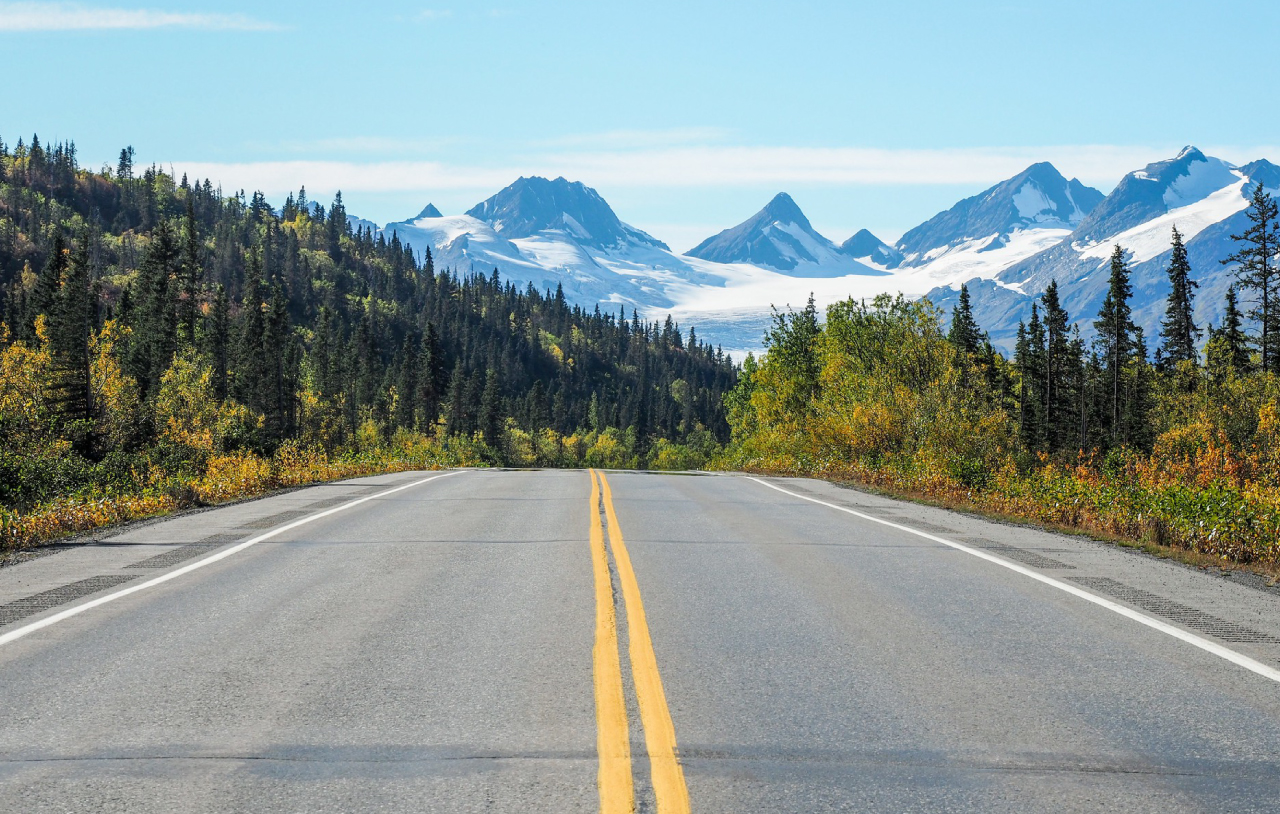
Best Months to Visit Alaska: A Guide to Optimal Travel Timing
When planning a trip to Alaska, understanding the best months to visit can enhance your experience. The timing of your visit can affect what activities are available, the weather conditions, and even the wildlife you may encounter. Choosing the right months ensures you make the most of Alaska’s stunning landscapes and unique attractions.
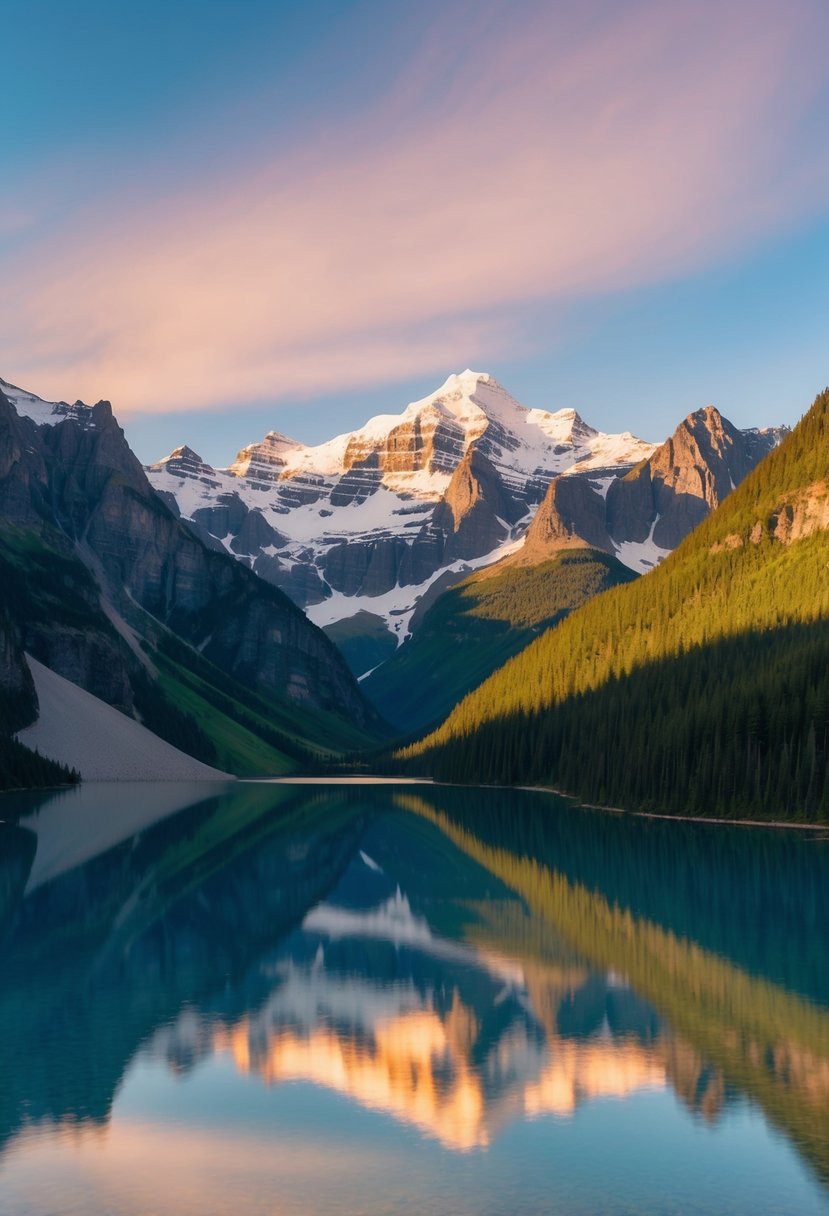
Alaska offers a wide range of experiences that vary by season. From the vibrant wildflowers of spring to the majestic Northern Lights in winter, each season brings its own beauty. Knowing which months align with your interests allows you to create a memorable adventure tailored to your preferences.
Juneau’s Mild Weather in July
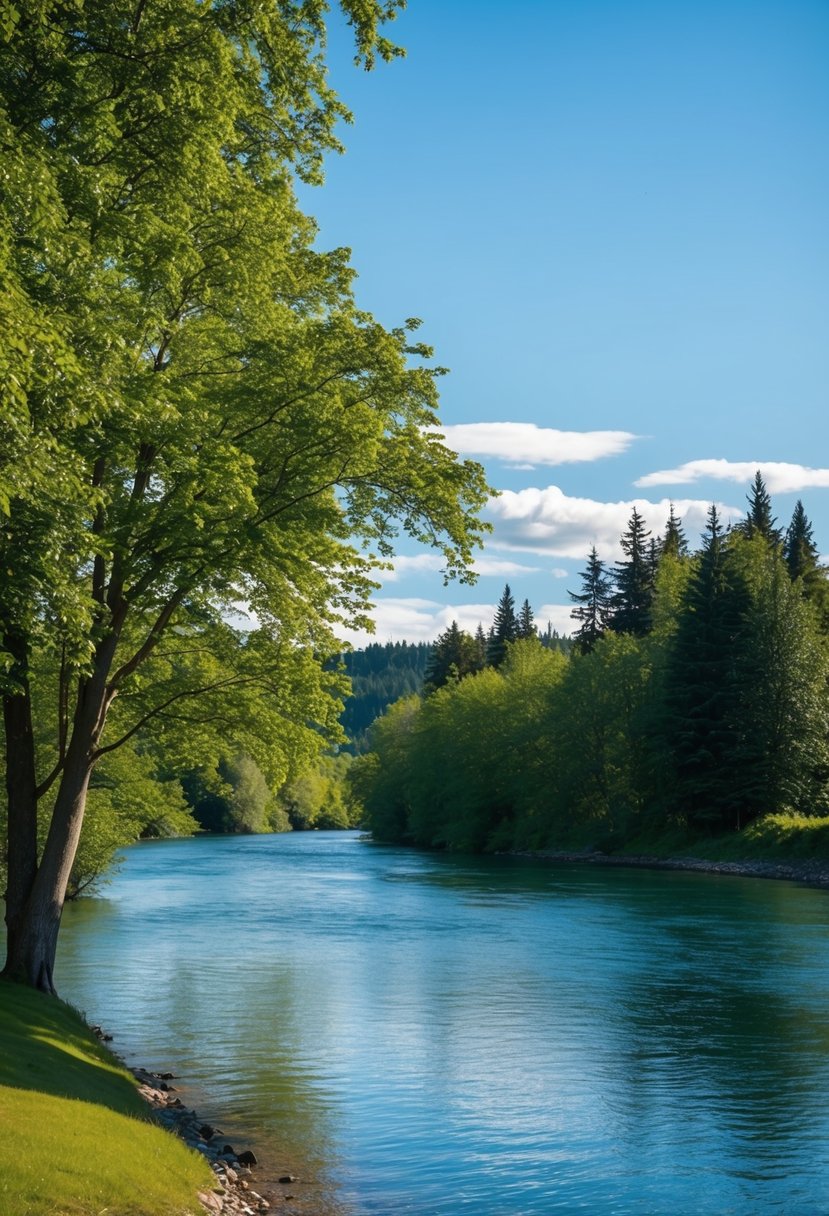
When visiting Juneau in July, you can expect mild and pleasant weather. Average temperatures range from 50°F (10°C) to 65°F (18°C). This makes it a comfortable time for outdoor activities.
July typically brings less rain than other summer months. You might enjoy sunny days mixed with occasional light showers. The chances of severe weather are lower, allowing for better planning of your activities.
The long daylight hours in July provide plenty of time to explore. You can go hiking, kayaking, or visit local attractions. The scenery is lush and vibrant, perfect for taking photos.
Wildlife viewing is also excellent in July. You may see eagles, sea lions, and even whales in the waters around Juneau. The pleasant weather enhances your chances of spotting these amazing animals.
Overall, July is one of the best months to enjoy Juneau’s natural beauty and outdoor adventures.
Anchorage wildlife in June
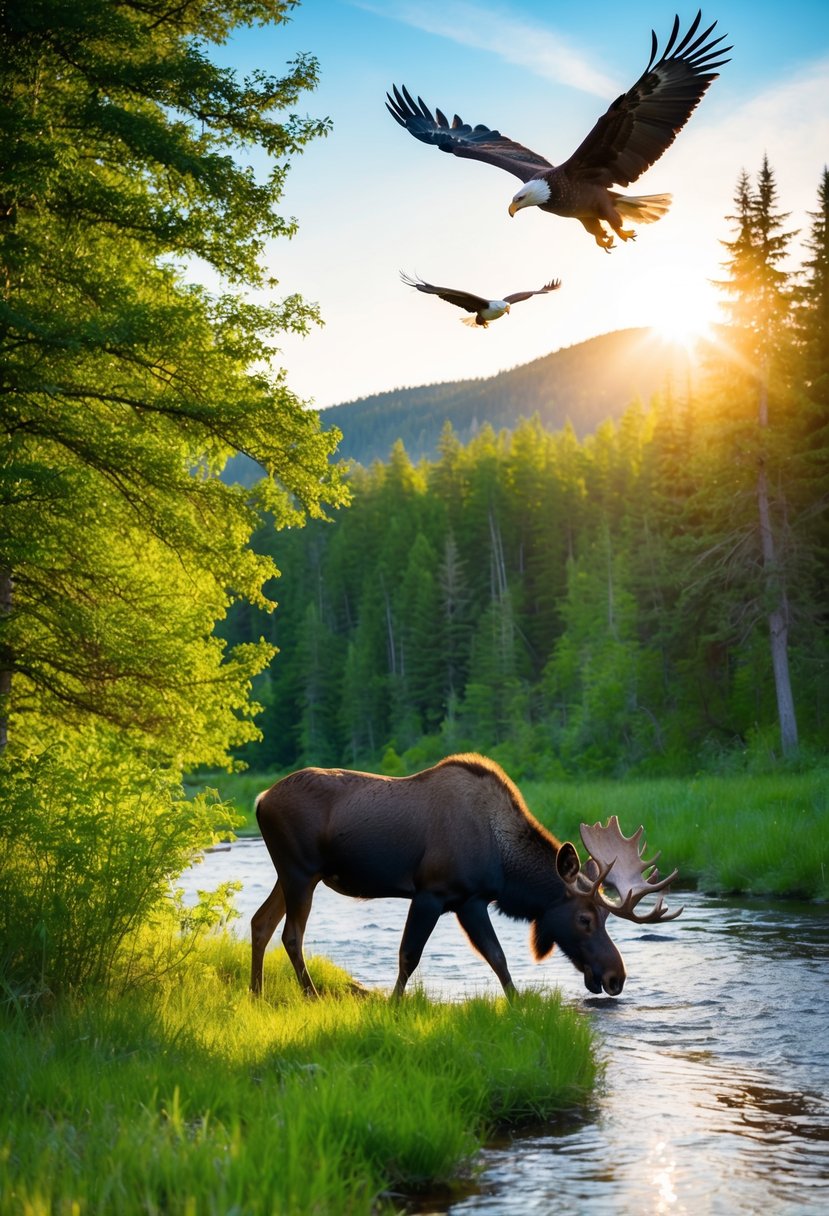
June is an exciting month for wildlife viewing in Anchorage. As summer begins, many animals are active and easy to spot. You have the chance to see moose, which are commonly found in parks and residential areas.
Bears also emerge from hibernation during this month. They can be seen foraging for food in various locations. Keep a safe distance if you encounter one.
Birdwatching is particularly rewarding in June. Many migratory birds have arrived, and you can find a variety of species in the area. Look out for nesting seabirds along the coast.
In addition, June is a great time to see young wildlife. You may spot moose calves and bear cubs playing with their mothers. This is a wonderful opportunity for photography and observation.
If you enjoy marine life, consider a boat tour. You might see whales, seals, and other sea creatures. June is the start of peak viewing times for these animals.
Overall, June offers a vibrant wildlife experience in Anchorage. Make sure to bring your camera and binoculars to capture these moments. Enjoy the beauty of nature during your visit.
Fairbanks’ auroras in March
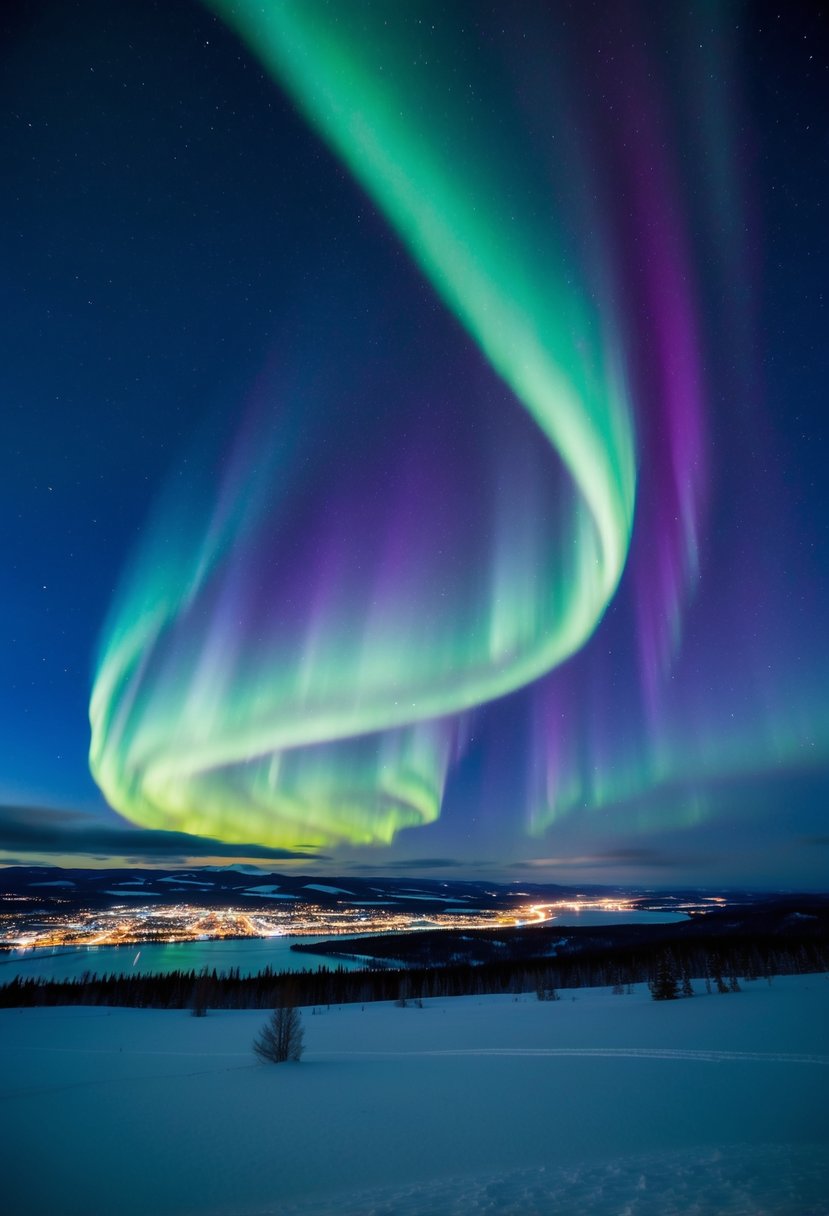
March is an excellent time for you to see the Northern Lights in Fairbanks, Alaska. This month offers some of the best viewing opportunities, thanks to clearer skies and less extreme cold compared to mid-winter.
As spring approaches, temperatures in Fairbanks range from 1 to 27°F (-17 to -3°C). This makes it more comfortable for you to enjoy nighttime activities. March is one of the prime months for aurora sightings.
The peak chances for seeing the auroras occur between 9 PM and 3 AM. During this time, you can find a spot away from city lights for the best views. Many visitors plan their trips around this window to catch the stunning natural light show.
Fairbanks is known for its accessibility to great viewing locations. You can also take guided tours specifically designed to help you find the best spots. With a little planning, March could be your best month for experiencing the magic of the Northern Lights.
4: Denali National Park in September
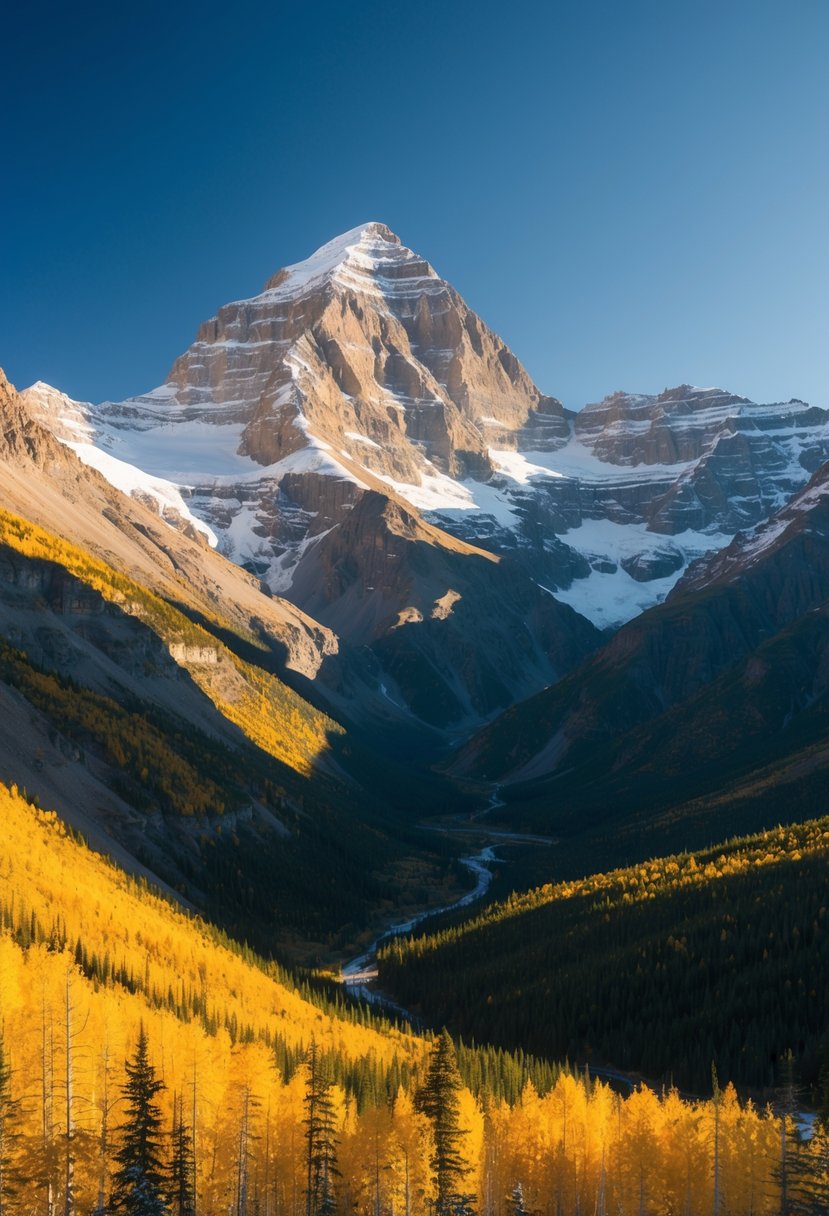
September is a beautiful time to visit Denali National Park. The summer crowds start to thin out, giving you a more peaceful experience.
The weather remains mild, but be prepared for cooler temperatures, especially in the evenings. Layering clothes is a good idea for comfort.
You may also witness stunning fall colors as the foliage shifts to vibrant reds and yellows. This scenery adds a unique charm to your visit.
Wildlife is still active in September. You have a chance to see moose, caribou, and maybe even bears preparing for winter.
Keep in mind that some services, like bus tours and train services, end in mid-September. It’s wise to plan your transportation ahead of time. For visiting, you might need to rent a car or arrange a guided option.
Lastly, if you’re lucky, you might catch a glimpse of the aurora borealis. September offers clearer skies, making it a great month for this natural light show. You can enjoy breathtaking views and fewer visitors during your trip to Denali.
Glacier Bay Cruises in August
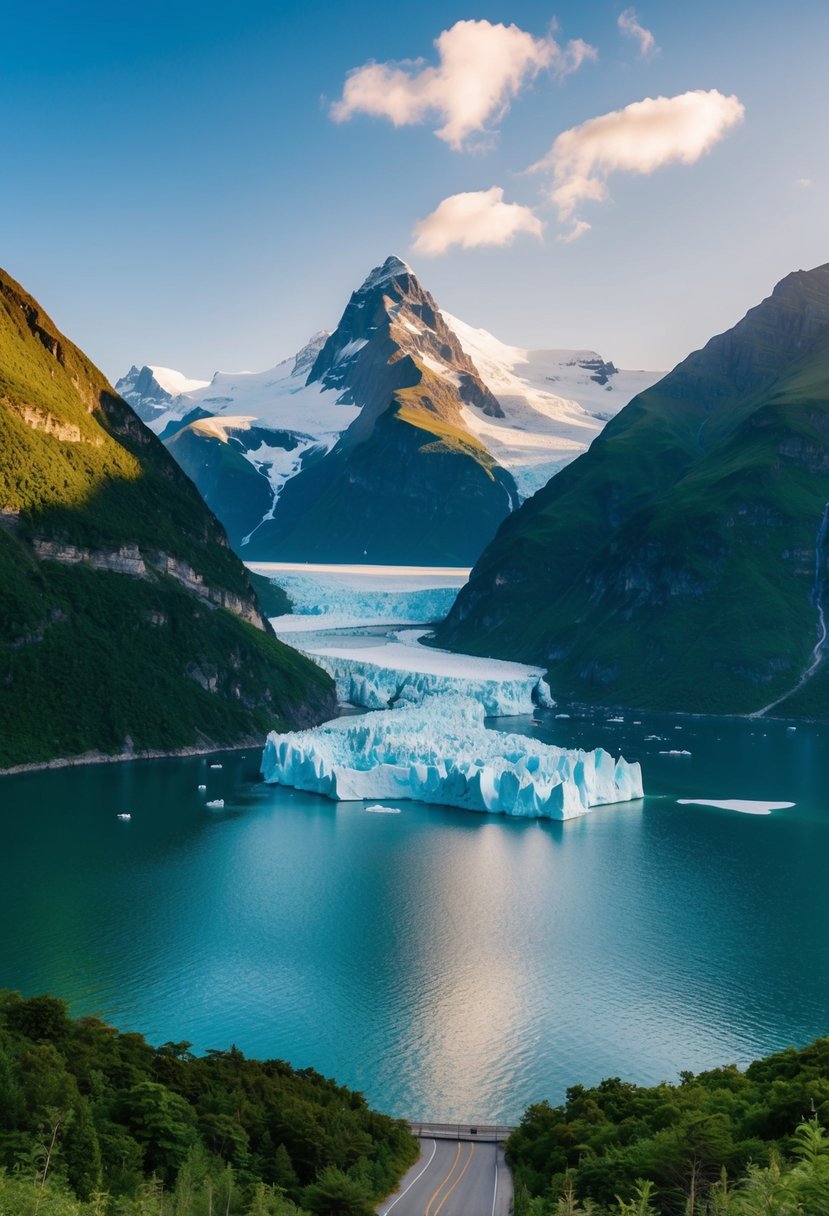
August is a fantastic time to experience Glacier Bay. The weather is typically mild, with temperatures ranging from the mid-50s to low 60s°F. This makes it pleasant for outdoor activities.
Visiting in August gives you a good chance to see wildlife. You might spot humpback whales, sea otters, and various birds. The scenery is stunning, with glaciers and lush landscapes.
The water is often calm in August, allowing for smooth sailing. This enhances your experience as you cruise through the fjords. You can get up close to glaciers as they calve, creating an exciting sight.
Be prepared for some rain, as Ketchikan is known for its wet weather. However, rain can bring vibrant colors to the landscape. You may appreciate the beauty of rain-soaked scenery.
Each day spent in Glacier Bay offers unique views and experiences. You’ll have opportunities for kayaking or guided tours. These activities allow you to connect with nature and appreciate the serenity of the area.
August is a popular month for cruises, so consider booking early. This way, you’ll secure your preferred itinerary and experience the best of Glacier Bay.
Climate and Weather Patterns
Understanding Alaska’s climate and weather patterns is essential for planning your visit. The state experiences significant variations in temperature and precipitation throughout the year. Here’s what to expect.
Seasonal Temperature Variations
Alaska has four main seasons: winter, spring, summer, and fall.
- Winter (December to February): Temperatures often drop below freezing. Coastal areas are milder, while the interior can see extreme cold, sometimes reaching -40°F (-40°C).
- Spring (March to May): Temperatures begin to rise. March can still be chilly, but May sees more comfortable weather, often ranging from 40°F to 60°F (4°C to 15°C).
- Summer (June to August): This is the warmest season, with average highs between 60°F and 80°F (15°C to 27°C). July is the peak month for warmth and long daylight hours.
- Fall (September to November): Temperatures start to drop again. September can still be pleasant, but by November, temperatures often fall below freezing.
Rainfall and Snowfall Patterns
Rain and snow patterns vary widely across regions.
- Coastal Areas: Expect higher rainfall, especially in the southeast. Summer sees the most rain, averaging 17 rainy days in May and up to 25 in September.
- Interior Regions: These areas are drier, but snowfall can be significant in winter. Monthly snowfall can reach over 30 inches (76 cm) in some interior areas.
- Northern Regions: Precipitation often falls as snow during the winter months. Clear skies in the winter provide the best chance to see the Northern Lights, with lower cloud cover.
By knowing these patterns, you can better plan your Alaska adventure based on the weather conditions.
Wildlife Watching Opportunities
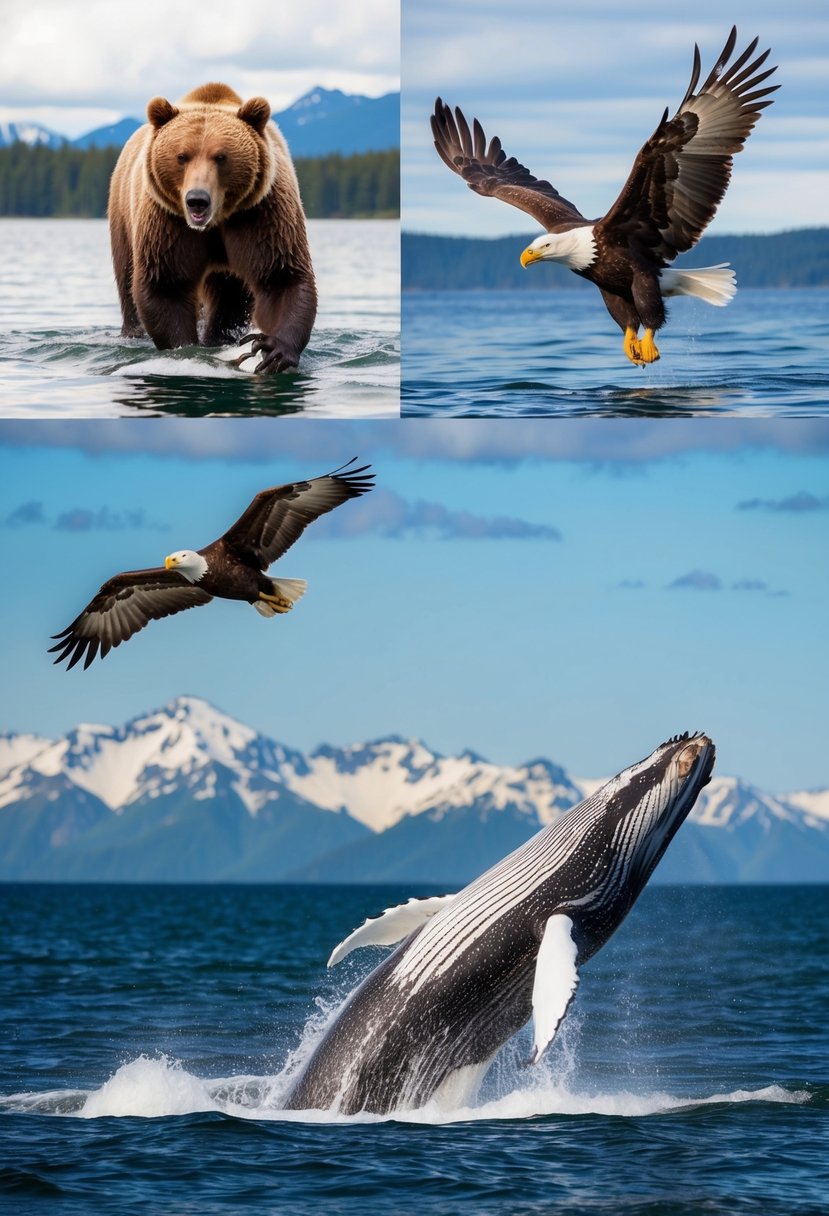
Alaska offers incredible opportunities for observing diverse wildlife. This includes amazing migratory birds and unique marine life. Understanding the best times to view these animals can enhance your experience.
Migratory Bird Seasons
From March to June, Alaska becomes a prime destination for birdwatchers. Many migratory birds arrive during spring, drawn by the melting ice and increasing food supply.
Key Times:
- March: Look for ptarmigan migrating to river valleys.
- May to June: Spot various species, including unusual birds like Asian accidentals in western Alaska.
During this time, you might also see puffins and other seabirds as they return to nesting areas. Bringing binoculars can greatly enhance your viewing experience.
Marine Life Viewing
The waters surrounding Alaska are rich with marine life. From May through September, you can enjoy whale watching, with humpback whales being particularly prominent.
Viewing Highlights:
- May: Humpback whales begin to arrive in the area.
- June to July: This is peak season for marine wildlife, including sea lions, orcas, and diverse fish species.
The coastal regions also offer opportunities to see seals and seabird colonies. Kayaking or boat tours can provide a closer look at these fascinating creatures. Make sure to check local regulations about wildlife observation to ensure both safety and compliance.