
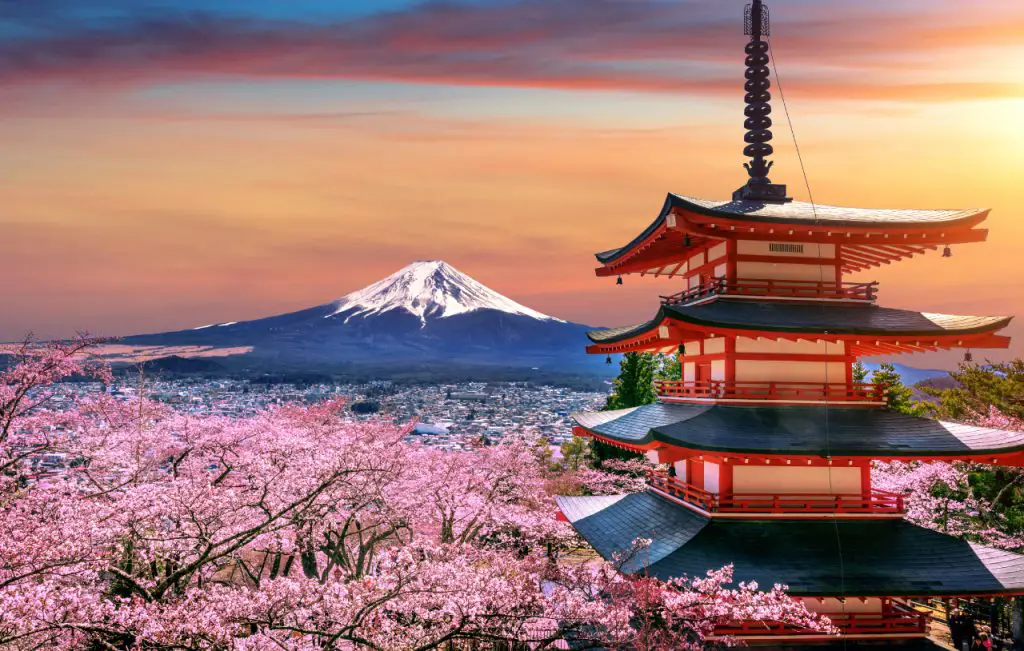
Japan is a fascinating country known for its rich culture, stunning landscapes, and advanced technology. Travelers from around the world are drawn to its unique blend of tradition and modernity. Planning a trip to Japan requires careful thought about travel dates, destinations, and experiences to ensure a memorable visit.
With its diverse cities and beautiful countryside, there are countless options for exploration. Having a well-structured plan can help travelers make the most of their time in this remarkable destination. By understanding what to consider when organizing a trip, visitors can enjoy everything Japan has to offer.
1: Explore Tokyo’s Shibuya and Shinjuku
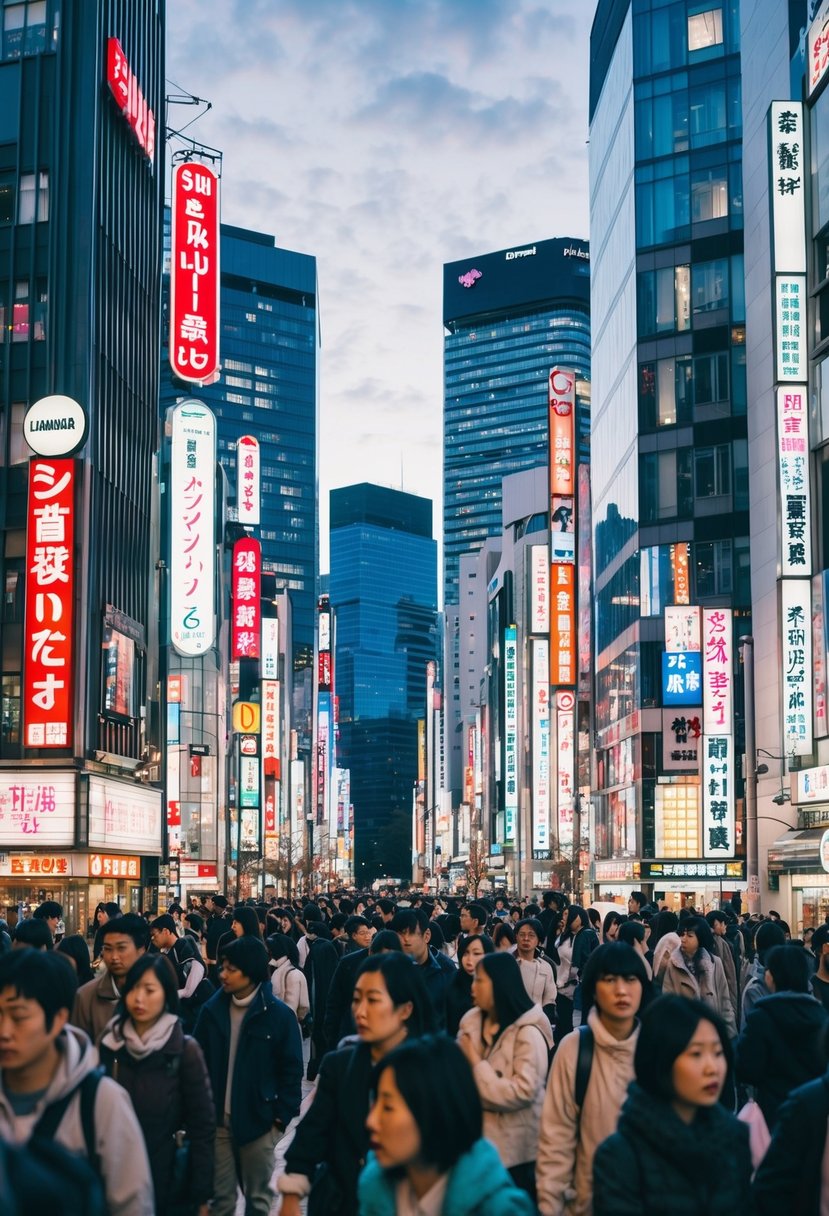
Shibuya and Shinjuku are two of the most exciting districts in Tokyo. Shibuya is famous for its bustling atmosphere and the iconic Shibuya Crossing, known as one of the busiest pedestrian intersections in the world. Visitors can take stunning photos and enjoy the vibrant energy of the area.
Shopping is a major attraction in Shibuya. Stores range from high-end fashion to unique local boutiques. The nearby Takeshita Street in Harajuku offers a glimpse into Tokyo’s youth culture, with trendy shops and cafes.
Shinjuku is another must-visit destination. It features a mix of shopping, entertainment, and nightlife. The area is home to many skyscrapers, including the Tokyo Metropolitan Government Buildings, which offer free observation decks.
Nature can also be found in Shinjuku. The Shinjuku Gyoen National Garden provides a peaceful escape from the city’s hustle. It combines traditional Japanese, English, and French garden styles.
Both districts highlight Tokyo’s modern culture and diverse lifestyle. Exploring them allows visitors to experience the city’s unique blend of tradition and innovation.
2: Visit the historic temples of Kyoto
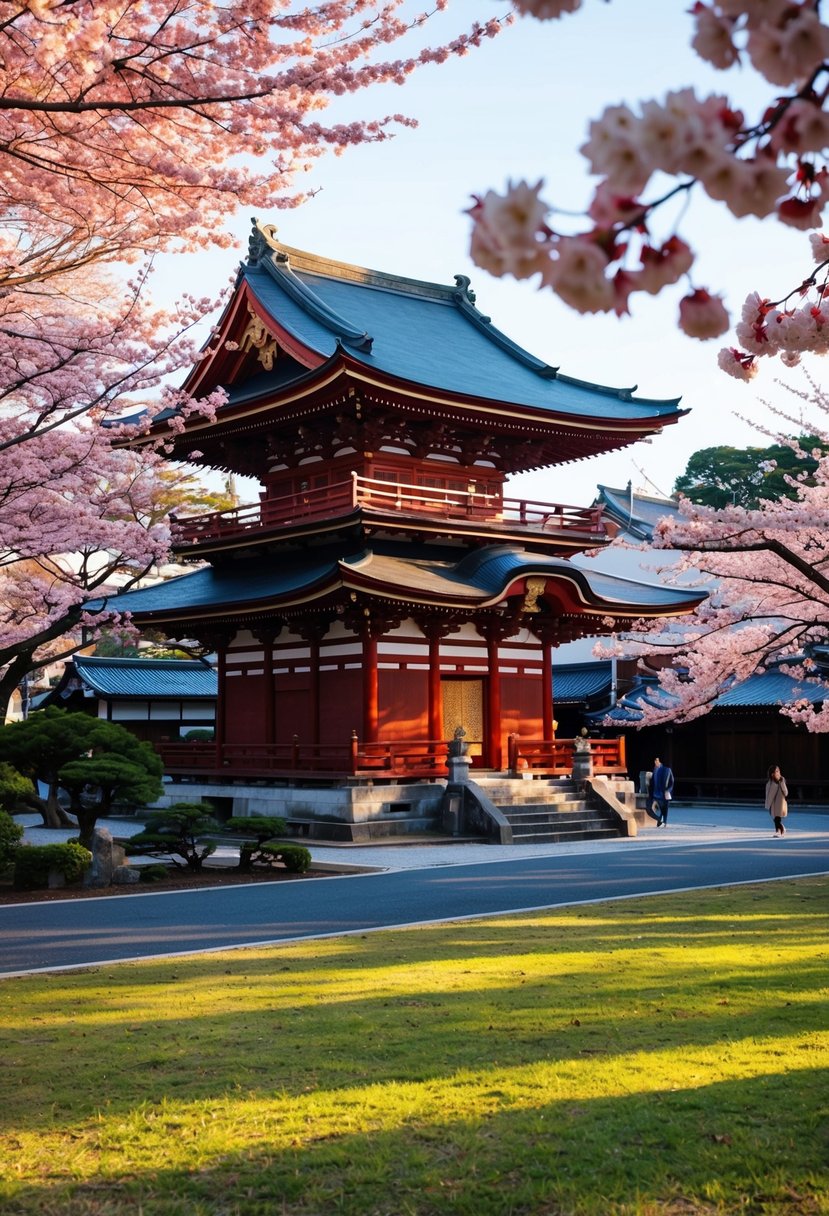
Kyoto is known for its stunning historic temples. Each temple offers a glimpse into Japan’s rich culture and spiritual heritage.
One of the most famous is Kinkaku-ji, also known as the Golden Pavilion. This temple’s unique architecture and beautiful surrounding gardens attract many visitors.
Another must-see is Kiyomizu-dera, or the Pure Water Temple. Founded in 780, it features a wooden stage that provides incredible views of the city and the cherry blossoms in spring.
Nanzen-ji Temple is also significant. It is one of the most important Zen temples in Japan, showcasing beautiful gardens and impressive gates.
Travelers should not miss Tofuku-ji, known for its Zen influences and stunning dry landscape gardens.
These temples are more than just religious sites; they are places of peace and reflection. Each temple tells a story through its architecture and art.
Visiting these historic sites can provide insight into Japan’s history and traditions. Each location is a crucial part of Kyoto’s charm.
3: Relax in an onsen in Hakone

Hakone is famous for its relaxing onsens, or hot springs. Visitors can enjoy a unique experience surrounded by nature. The area has over 3,600 hot springs, providing a wide variety of options.
Public baths typically charge between ¥1,000 and ¥3,000, while luxury resorts may cost more. For those on a budget, places like Kappa Tengoku offer affordable options for around ¥800.
Relaxing in an onsen can enhance the travel experience. Visitors can enjoy beautiful views while soaking in the warm waters. Open-air baths are popular for their scenic surroundings.
Knowing the etiquette is important. Before entering the hot spring, guests should wash and rinse their bodies. This practice ensures cleanliness and respect for others using the facilities.
Whether seeking relaxation or health benefits, Hakone’s onsens provide a memorable experience. They attract travelers looking to unwind and connect with Japanese culture.
4: Taste sushi at Tsukiji Fish Market

Tsukiji Fish Market is a must-visit for sushi lovers. It is known for its fresh and high-quality seafood. Visitors can enjoy sushi made from the freshest fish right at the market.
The market offers many sushi restaurants and stands. Each place serves various sushi types, allowing guests to explore different flavors and styles. From classic nigiri to creative rolls, there is something for everyone.
Many restaurants open early in the morning. This makes it the perfect spot for breakfast. The bustling atmosphere adds to the experience of enjoying delicious sushi.
Travelers can also join guided tours that include sushi tastings. These tours often provide insights into the best dishes and how to enjoy them. Learning about sushi preparation from experts can enhance the tasting experience.
To fully enjoy a visit, it is wise to check the market hours. Some shops may close on certain days, so planning ahead is essential. Eating sushi at Tsukiji Fish Market is not just a meal; it’s an experience filled with culture and tradition.
5: Experience a Tea Ceremony in Uji
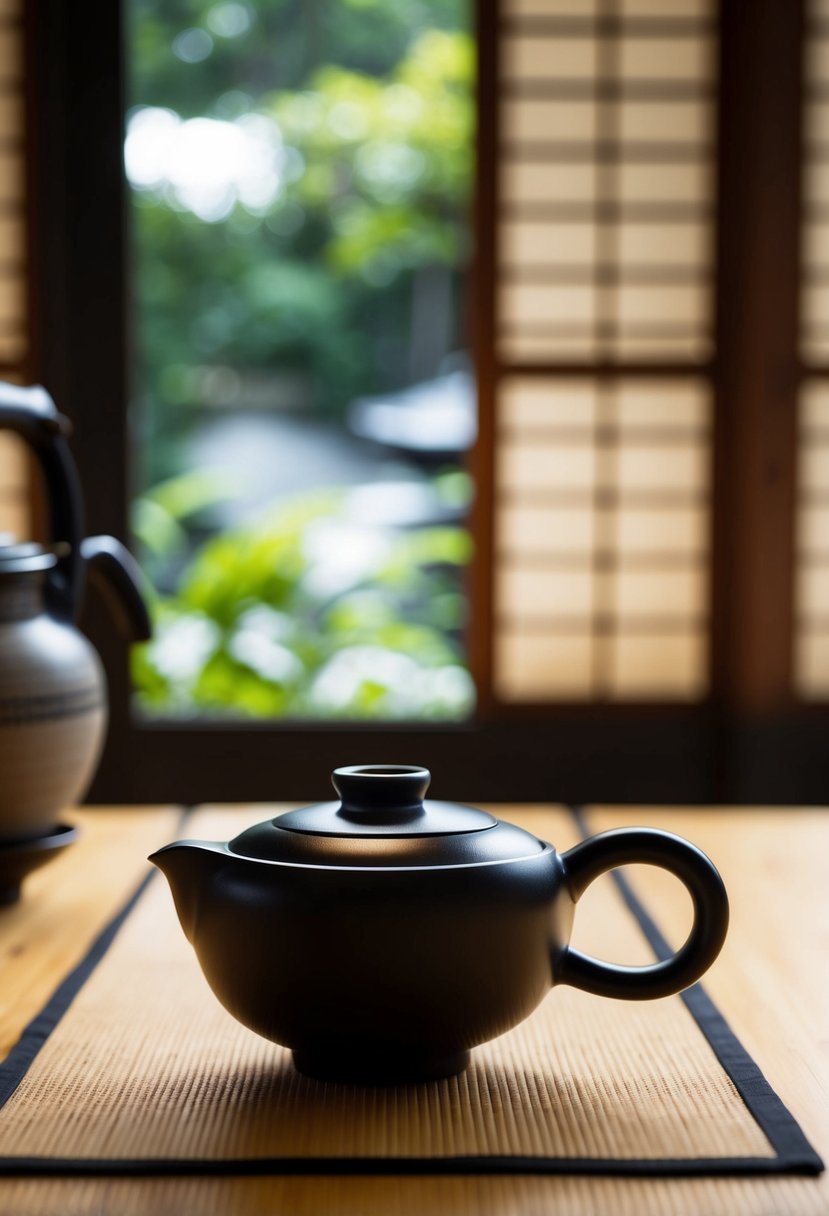
Uji is famous for its high-quality green tea and offers visitors a chance to experience traditional tea ceremonies. Engaging in a tea ceremony provides a unique glimpse into Japanese culture and art.
Participants can enjoy a ceremony that typically lasts around 20 to 30 minutes. They will learn about the history of tea and its significance in Japanese society. The process is often led by a knowledgeable guide who explains each step.
During the ceremony, attendees can savor usucha, or powdered green tea, served in a calm environment. The preparation includes grinding high-grade tea leaves into a fine powder, making it a hands-on experience.
For those seeking a deeper understanding, workshops in Uji allow for making matcha using a stone mortar. This method connects visitors directly with the tea-making process.
Uji features several locations for tea experiences, such as Taihoan and Nakamura Tokichi. These venues offer various styles of ceremonies, catering to different interests and group sizes. Visitors leave with a greater appreciation for Japan’s tea culture.
Understanding Japan’s Culture
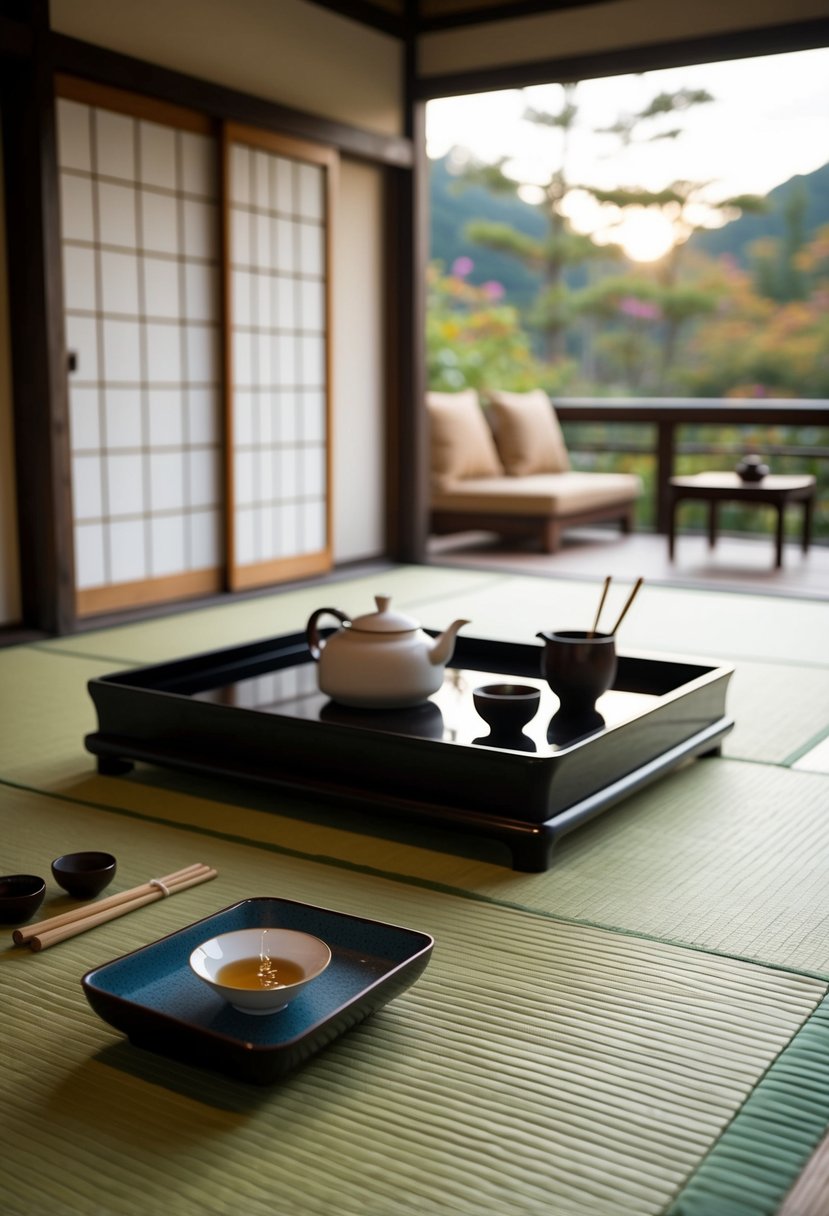
Japan has a rich and unique culture that blends tradition with modernity. Knowing some basics about Japanese culture can enhance any travel experience. This includes understanding cultural etiquette and how to communicate effectively.
Basic Cultural Etiquette
When visiting Japan, certain etiquette rules are important to follow. For instance, bowing is a common greeting. The depth of the bow reflects respect.
Removing shoes before entering homes, temples, or some traditional accommodations, known as ryokan, is crucial. Visitors should wear clean socks or go barefoot.
Dining customs also matter. It is polite to say “Itadakimasu” before a meal and “Gochisousama” after finishing. Using chopsticks correctly is essential; leaving them upright in rice can be seen as disrespectful.
Gift-giving is also significant in Japanese culture. Wrapped gifts show thoughtfulness, and it is common to offer gifts to express gratitude or friendship.
Language and Communication
Japanese is the primary language spoken in Japan. Understanding a few basic phrases can greatly enhance interaction. Simple greetings like “Konnichiwa” (Hello) or “Arigatou gozaimasu” (Thank you) are appreciated.
Many Japanese people can speak some English, especially in urban areas. However, it’s helpful to learn polite phrases to show respect for their culture.
Nonverbal communication plays a huge role in interactions. Keeping eye contact is important, but staring can be considered rude.
Being aware of the context and using appropriate gestures can also help convey messages clearly. For example, nodding shows understanding or agreement.
Familiarity with some cultural nuances and basics can make a trip to Japan more enjoyable and respectful.
Best Times to Visit Japan
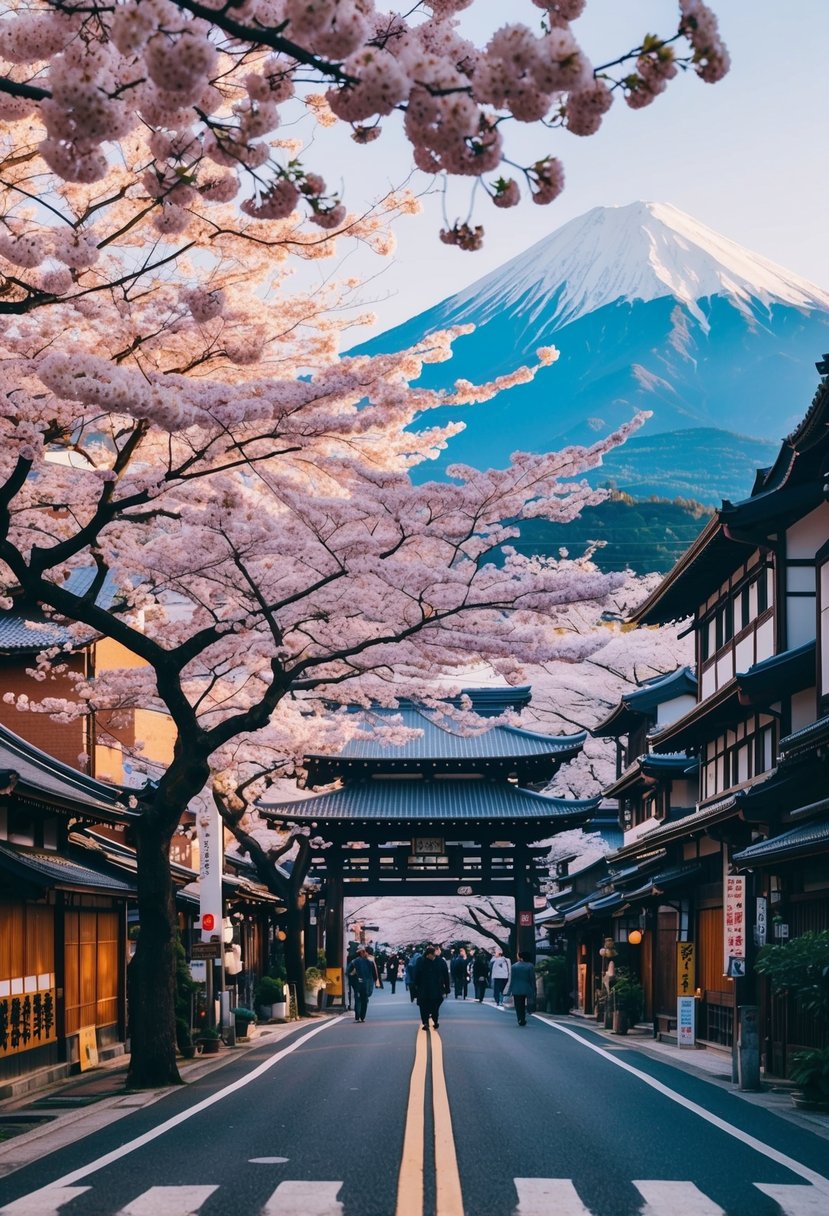
Timing is crucial when planning a trip to Japan. Different seasons showcase unique beauty and cultural experiences. Travelers should consider both seasonal highlights and festivals for an enriching visit.
Seasonal Highlights
Japan’s seasons are distinct and offer a variety of landscapes and experiences. Spring (March to May) is famous for cherry blossoms. Visitors can enjoy stunning parks filled with pink blooms. Mid-April is often the peak time.
Summer (June to August) is hot and humid, but it’s ideal for beach lovers. People can explore coastal areas and enjoy water sports. Autumn (September to November) brings vibrant fall foliage. The change in colors attracts many tourists, with late October being particularly breathtaking.
Winter (December to February) offers a different charm. Skiing is popular in regions like Hokkaido. Tourists can also relax in onsens (hot springs) while enjoying the serene winter landscape.
Festival Guide
Japan hosts a variety of festivals throughout the year. Many of these events bring culture and tradition to life.
In spring, the Hanami festivals celebrate cherry blossoms. People gather in parks for picnics under the blooming trees. Many cities also host festivals featuring traditional music and dance.
Summer features vibrant events like Gion Matsuri in Kyoto. This festival, held in July, includes impressive floats and fireworks.
As autumn arrives, the Jidai Matsuri, or Festival of Ages, occurs in October in Kyoto. It showcases parades in historical costumes.
Winter brings the Sapporo Snow Festival in February. Visitors can see stunning snow sculptures and experience winter sports.
Each festival offers unique experiences that reflect Japanese heritage.