How to Plan a Trip to Italy: Essential Tips for an Unforgettable Journey
Planning a trip to Italy can be an exciting experience, filled with rich culture, history, and stunning landscapes. To make the most of your adventure, it’s essential to understand the key steps for organizing your travel, from choosing the right time to visit to selecting your destinations.
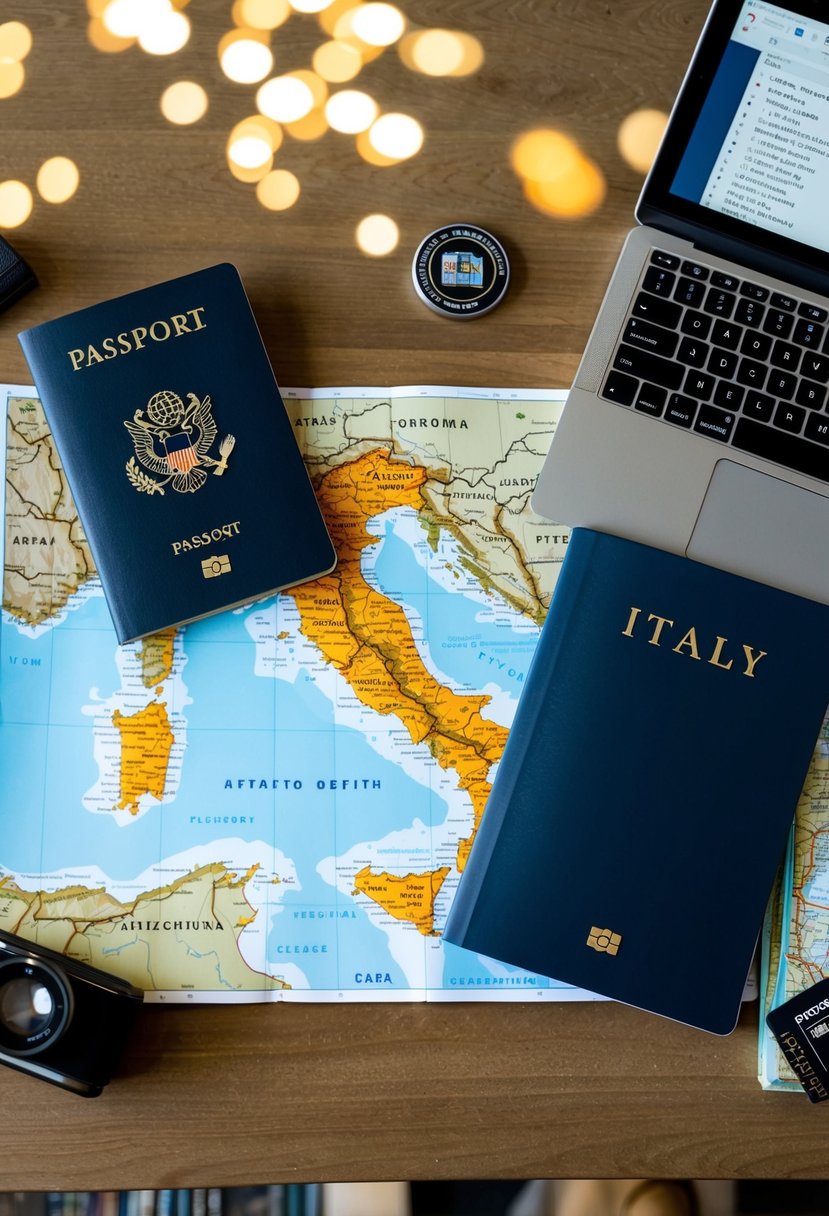
As you prepare for this journey, consider your interests, budget, and the type of experiences you want to have. Italy offers a diverse range of attractions, from art galleries and historical sites to beautiful coastlines and charming villages. Being organized will help ensure a memorable and enjoyable trip.
1: Visit the Colosseum in Rome
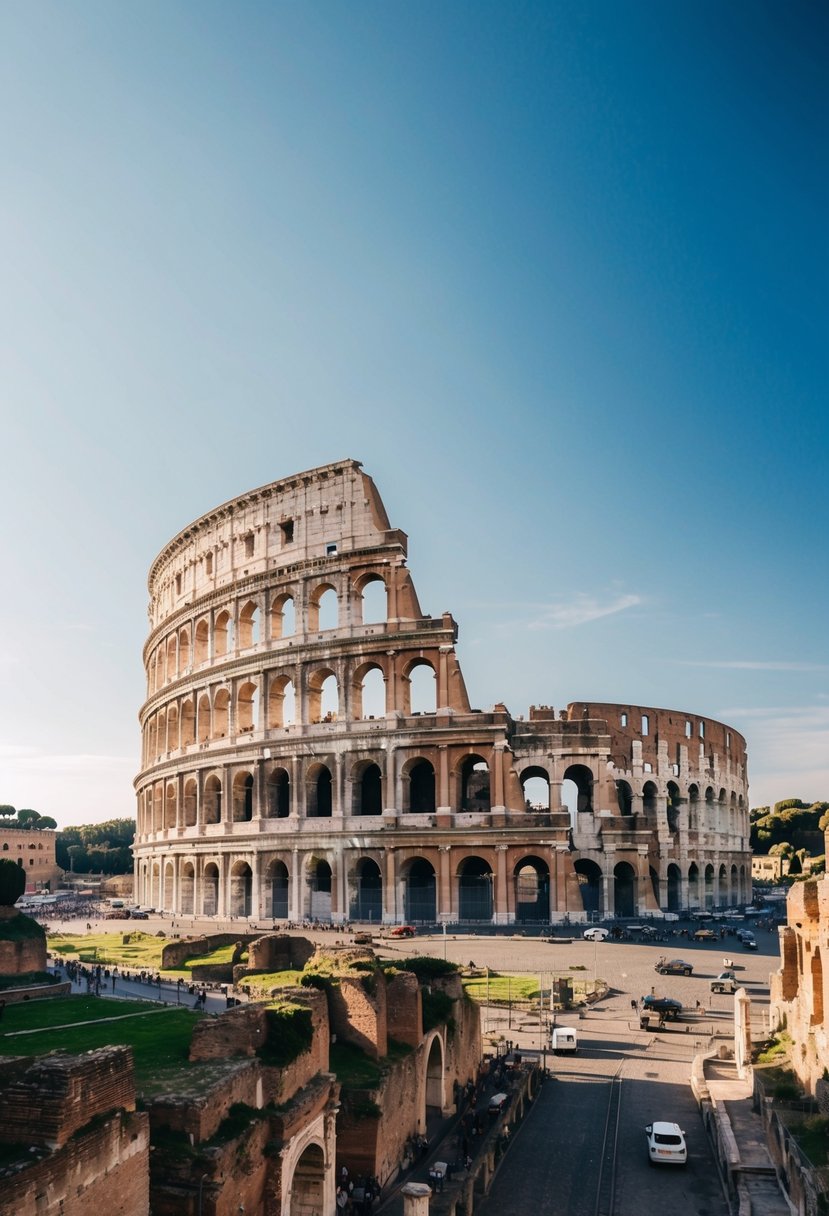
Visiting the Colosseum is a must when you’re in Rome. This ancient amphitheater offers a glimpse into Roman history and architecture.
To make the most of your visit, buy your tickets online in advance. This can help you avoid long lines and save time. You can choose a general access ticket or options that include guided tours.
Taking a guided tour can enhance your experience. A tour guide can explain the fascinating history and significance of the Colosseum. You’ll learn about its construction and the gladiatorial games held there.
The Colosseum is large, so wear comfortable shoes for walking. Make sure to explore the surrounding area, too. The nearby Roman Forum and Palatine Hill are also worth visiting.
The Colosseum is located in the heart of Rome at Piazza del Colosseo, 1. Use a map app on your phone to find the best route from your location. Enjoy your visit to this iconic landmark!
2: Explore the canals of Venice
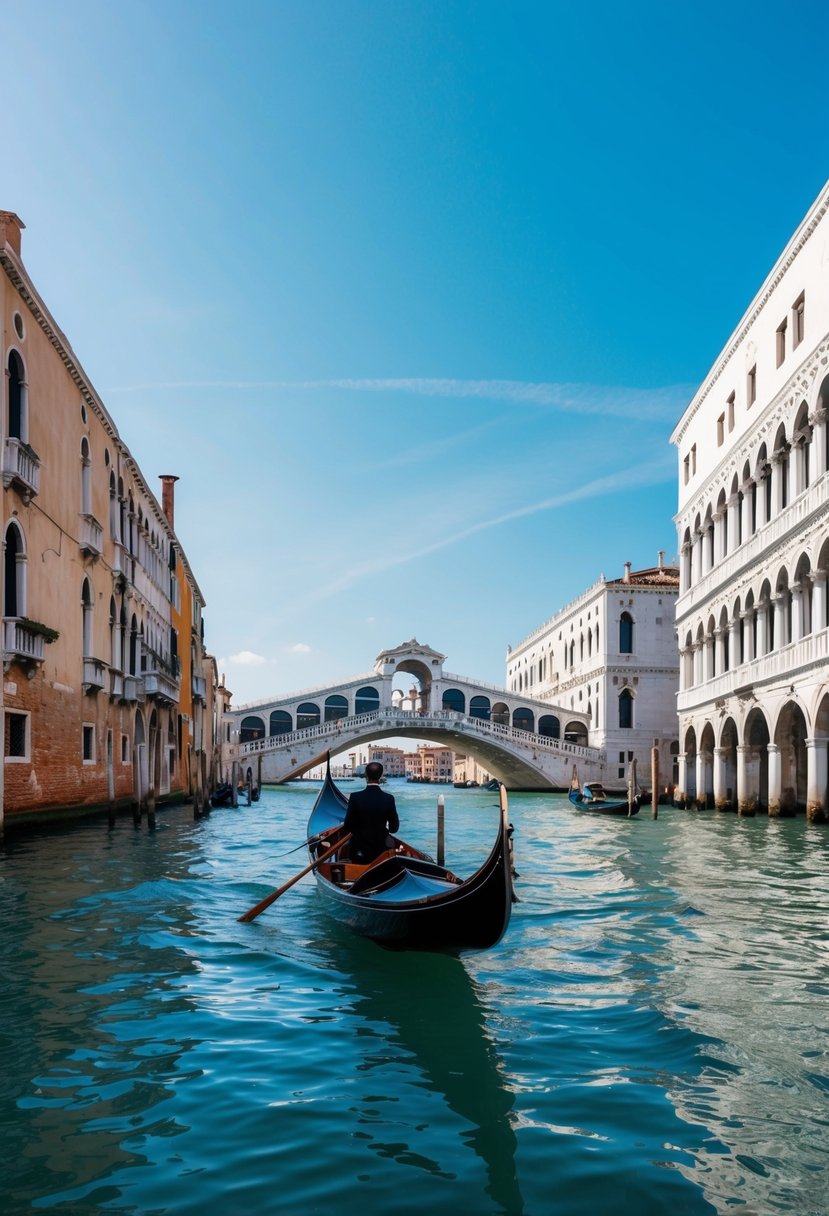
Venice is famous for its intricate canals, which are the lifeblood of the city. As you walk through its narrow streets, make sure to take time to explore these waterways.
You can start your adventure with a gondola ride. This traditional experience lets you glide through the canals and enjoy the unique views of historic buildings.
Another option is to use the vaporetto, Venice’s public water bus. It’s an affordable way to visit multiple sites along the Grand Canal. This system connects popular attractions and allows you to see the city from the water.
Don’t forget to wander around and discover hidden corners. Some of the best experiences come from exploring the smaller canals that are less crowded.
Keep your camera ready; the reflections in the water and the charming architecture make for great photos. Enjoy your time on the canals and soak in the beautiful atmosphere of Venice.
3: Taste wine in Tuscany

Tuscany is famous for its rich wines, making it a must-visit for wine lovers. To enjoy this experience, start by choosing a sub-region like Chianti or Montalcino. Each area has unique flavors and characteristics.
Make reservations ahead of time. Many wineries in Tuscany do not accept walk-ins. Check their websites and book your spots to ensure you don’t miss out.
When tasting wine, try to learn about the different varieties. Brunello, Chianti Classico, and Vino Nobile are popular choices. Each wine tells a story about its vineyard and the land.
After tasting, consider buying wine directly from the winery. Many times, local wines may not be available in shops. This way, you can enjoy a piece of Tuscany at home.
Pair your wine with local foods. Cheese, olives, and cured meats complement the flavors well. Enjoying these pairings enhances your overall tasting experience.
Tuscany offers a wonderful journey into wine culture. Embrace the flavors and knowledge that come with each tasting.
4: Tour the ruins of Pompeii
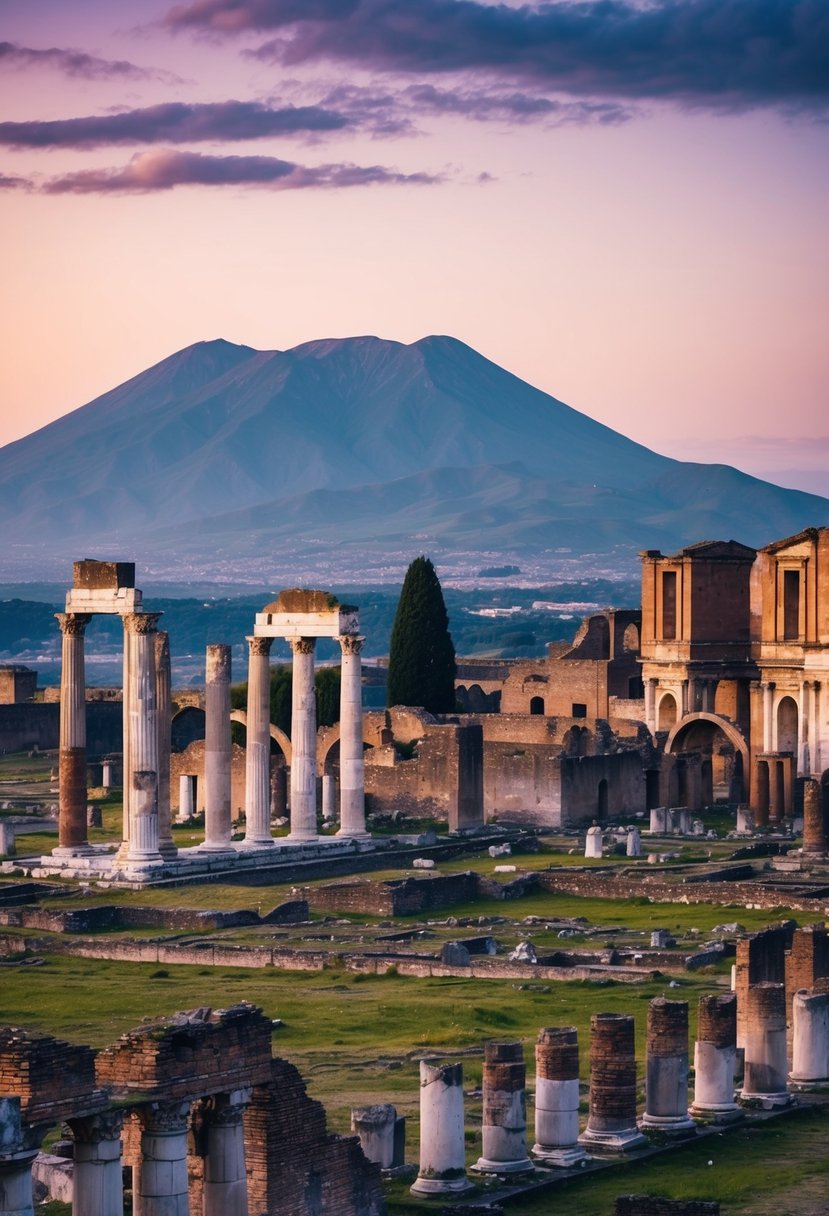
Visiting the ruins of Pompeii is a must when in Italy. This ancient city was buried by Mount Vesuvius in 79 AD and offers a unique glimpse into Roman life.
Start your journey at the main entrance, where you can purchase tickets. Consider booking in advance, especially during peak seasons, to save time.
You can explore Pompeii on your own or join a guided tour. A guided tour can provide deeper insights into the history and significance of the site. Look for tours that include key locations like the Forum and the amphitheater.
Wear comfortable shoes, as you will walk on uneven ancient streets. Stay hydrated and plan for breaks under shady areas.
While wandering, pay attention to the fascinating details, such as graffiti and preserved artifacts. These features share stories of daily life before the eruption.
Don’t miss the chance to view the plaster casts of the victims. They offer a haunting reminder of the disaster that struck.
Pompeii is not just ruins; it is a journey through time. Enjoy every moment as you discover the echoes of the past in this remarkable archaeological site.
5: Discover the Amalfi Coast
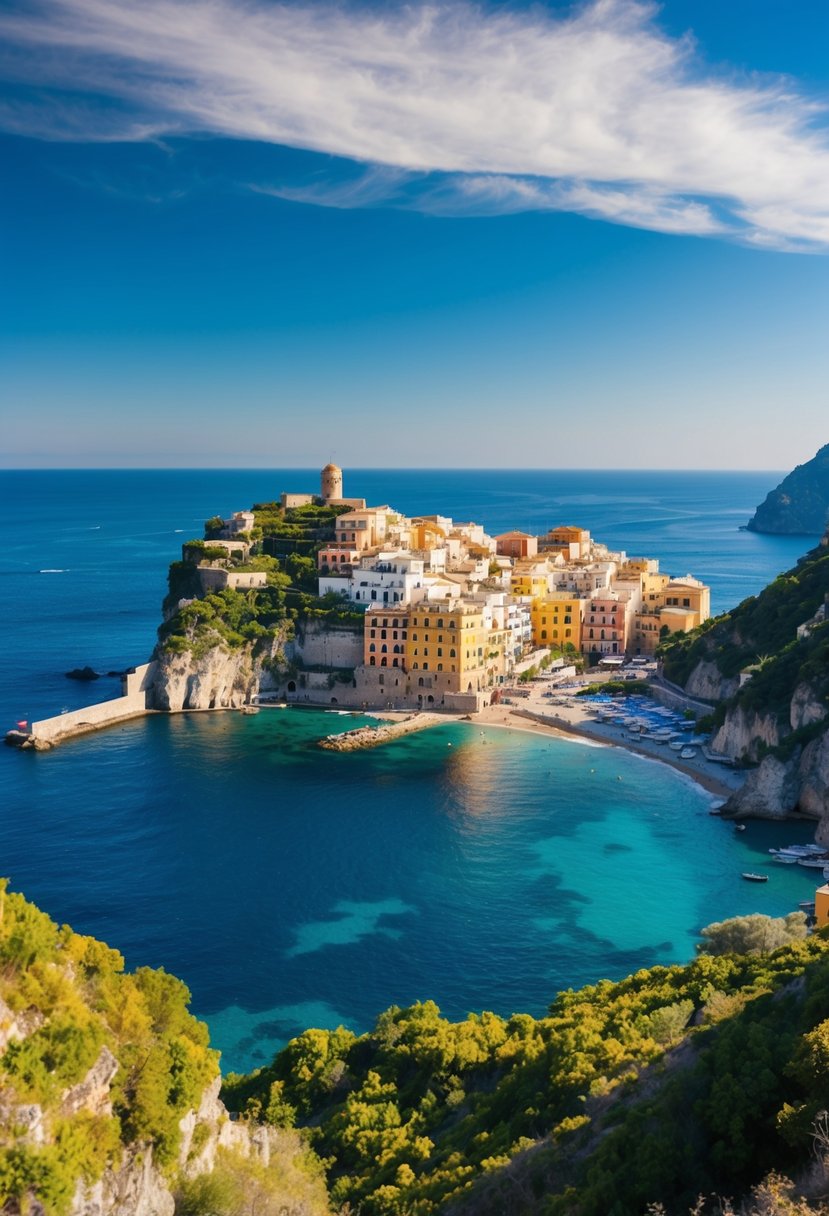
The Amalfi Coast is one of Italy’s most stunning destinations. It boasts charming towns, beautiful views, and delicious food. You should plan to explore several towns during your visit.
Start in Positano, known for its colorful cliffside houses and beaches. Enjoy walking through the narrow streets filled with shops and cafes. The views from here are breathtaking.
Next, head to Amalfi. Here, you can visit the stunning Duomo, a historic cathedral in the heart of town. Don’t miss trying local pastries like the famous sfogliatella.
Ravello is another must-see. This town is famous for its gardens and music festivals. Villa Rufolo offers spectacular views of the coastline and is perfect for a relaxing afternoon.
Consider taking a guided hike along the Path of the Gods. It’s a great way to experience the natural beauty of the area while avoiding transportation hassles.
If you have time, take a day trip to the island of Capri. The ferry ride is easy, and you can explore the island’s stunning landscapes and shops.
Embrace the culture and enjoy every moment on the Amalfi Coast. It offers a unique blend of relaxation and adventure.
Understanding Italy’s Regions
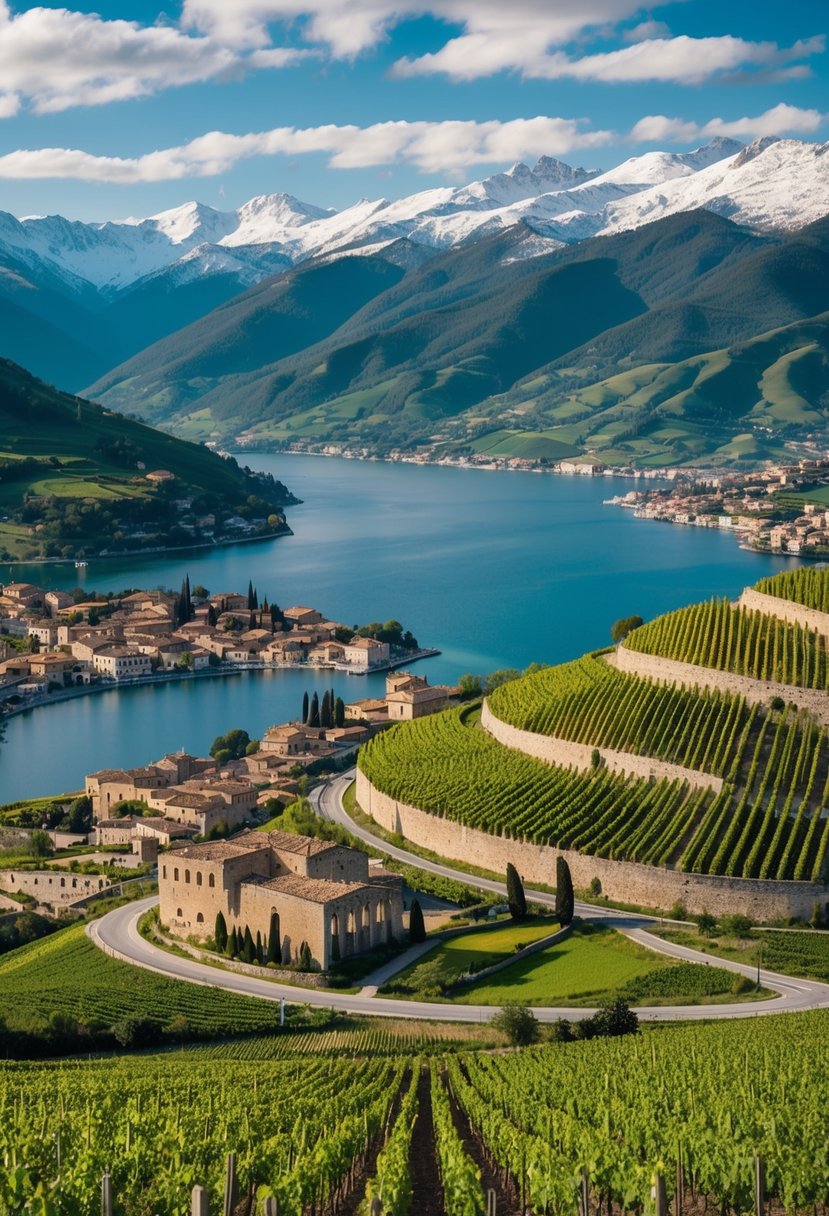
Italy is made up of 20 distinct regions, each offering unique experiences, traditions, and attractions. Knowing about these regions will help you plan your trip better, making it more enjoyable and tailored to your interests.
The Diversity of Northern Italy
Northern Italy features a rich blend of culture, landscapes, and history. You will find stunning lakes, such as Lake Como and Lake Garda, along with the majestic Alps. Cities like Milan attract fashion lovers and art enthusiasts.
The region is known for its diverse cuisine, including risottos and polenta. You can also explore charming towns like Verona, famous for its Shakespearean connections, and Bologna, dubbed the food capital of Italy. Northern Italy’s blend of urban sophistication and natural beauty makes it a must-see for travelers.
Exploring Central Italy
Central Italy is home to iconic cities that showcase the country’s historical and artistic heritage. Florence, the birthplace of the Renaissance, is filled with famous museums and architectural wonders like the Duomo. You can enjoy authentic Tuscan cuisine in the surrounding countryside.
Rome, the capital, offers landmarks such as the Colosseum and Vatican City. Don’t miss the charming towns of Siena and Assisi, each brimming with local culture. Central Italy’s mix of history, art, and fantastic food ensures a memorable visit.
Travel Essentials for Italy
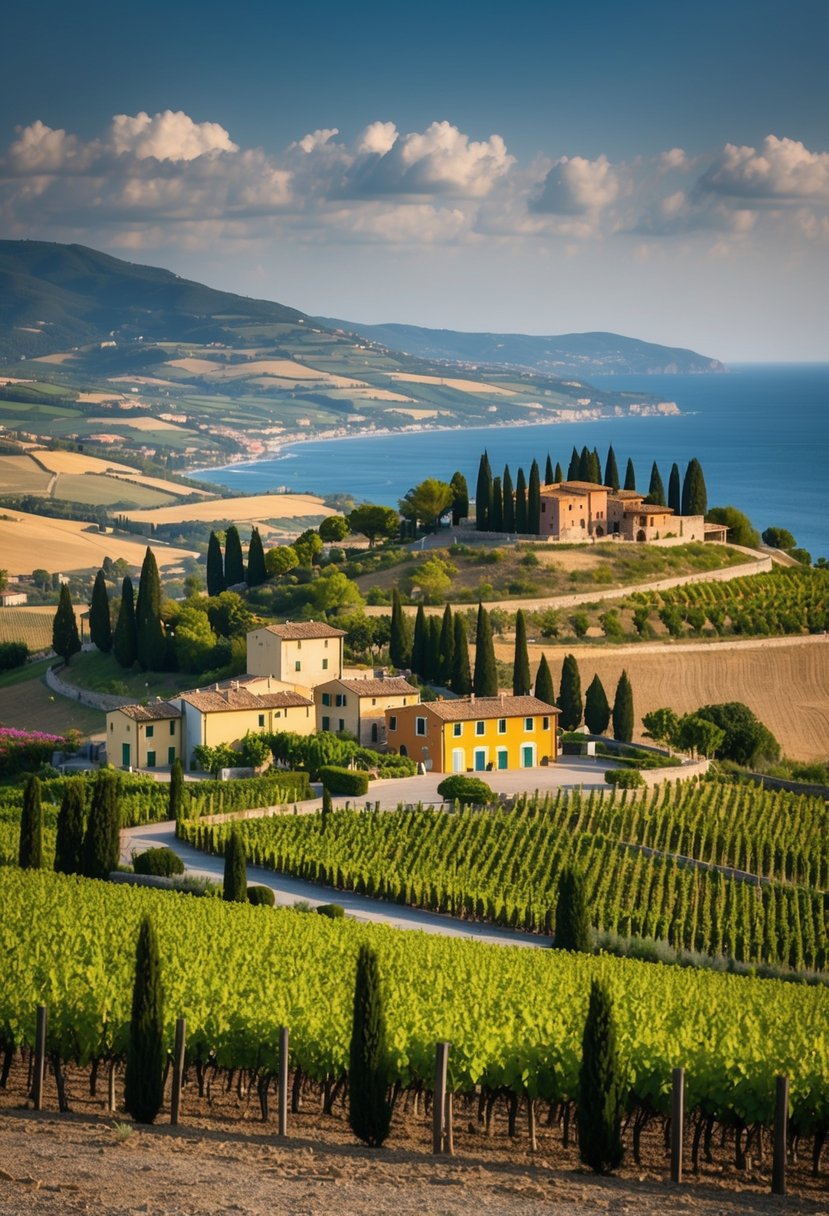
When planning your trip to Italy, it’s important to know about the visa and entry requirements, as well as the best times to visit. These details will help you prepare and ensure a smooth travel experience.
Visa and Entry Requirements
Check if you need a visa for Italy. Citizens from many countries, like the United States, Canada, and Australia, can enter Italy without a visa for up to 90 days for tourism.
If your country requires a visa, apply for a Schengen visa, which allows travel to multiple European countries. Make sure your passport is valid for at least three months beyond your planned stay.
It’s a good idea to have travel insurance that covers medical emergencies. This can be essential if you encounter any health issues while abroad.
Lastly, confirm any specific entry requirements related to health, such as vaccinations or COVID-19 regulations, as these can change frequently.
Best Time to Visit
Italy can be visited any time of year, but the best times are generally in spring (April to June) and fall (September to October). During these months, the weather is pleasant, with warmer temperatures and fewer crowds.
Summer (July and August) is hot and popular with tourists. Major cities might feel crowded, while coastal areas are lively. If you visit during this time, book accommodations in advance.
Winter (December to February) can be chilly, especially in the north, but it’s a wonderful time to experience local festivals. Consider visiting ski resorts if you enjoy winter sports.
Planning your trip according to these factors will enhance your overall experience in Italy.