

Alaska is a land of breathtaking landscapes, diverse wildlife, and rich culture. You will find a wide range of activities and attractions that cater to all interests, whether you seek adventure in nature or wish to explore local history. From towering glaciers to vibrant local communities, Alaska offers experiences that leave lasting memories.
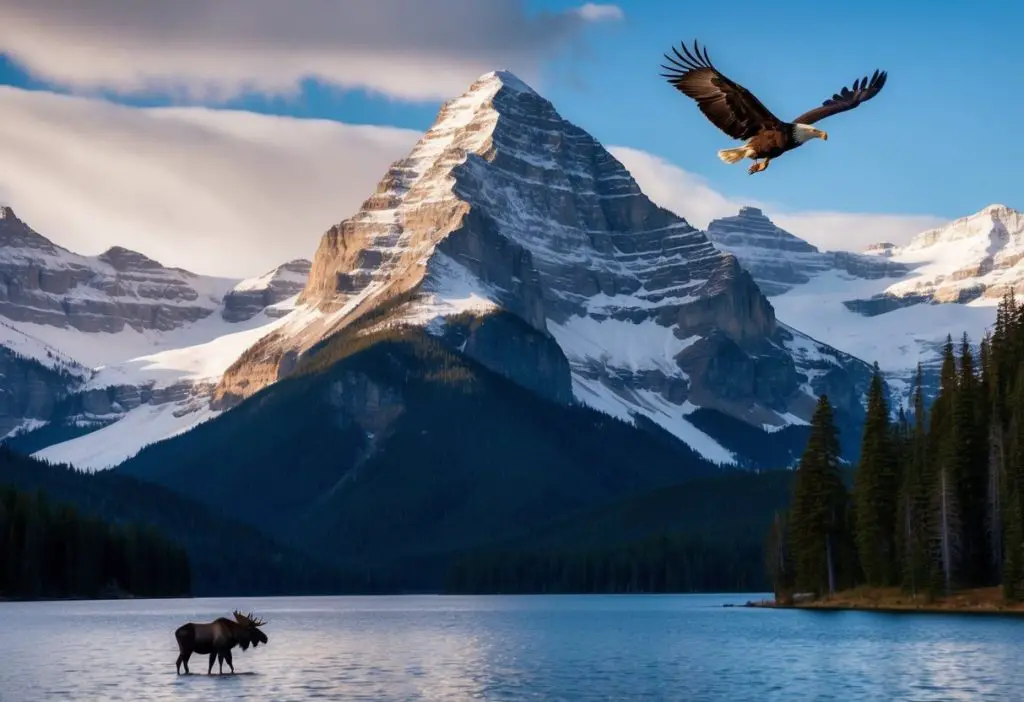
As you plan your visit, consider the unique opportunities Alaska has to offer. With options for outdoor adventures, wildlife viewing, and cultural experiences, you can create an itinerary that suits your interests and desires.
1: Explore Denali National Park

Denali National Park offers stunning landscapes and diverse wildlife. You can see North America’s highest peak, Mount Denali, which is breathtaking from any angle.
Hiking is a popular activity here. Trails like the Triple Lakes Trail provide a low-traffic hiking experience while showcasing beautiful lakes and scenery.
For a unique view, consider a flightseeing tour. You’ll see the park from above and might even spot wildlife below. Helicopter tours give you the option to land on a glacier or hike along the tundra.
Wildlife viewing is also a highlight. Keep an eye out for grizzly bears, moose, and caribou. The park is home to many different species.
If you enjoy adventure, you can try camping or white-water rafting. These experiences let you immerse yourself in nature.
Denali National Park is open year-round, with summer being the most popular time to visit. This is when bus tours inside the park become accessible.
2: Visit the Alaska Native Heritage Center

When you visit the Alaska Native Heritage Center, you engage with the rich culture of Alaska’s Indigenous peoples. The center is more than just a museum; it offers interactive experiences that allow you to learn about traditional and contemporary ways of life.
You can watch performances of Alaska Native dances and see demonstrations of traditional games. These activities provide a unique glimpse into the vibrant heritage of the Native communities.
The guided village tours around Lake Tiulana are a highlight. They offer insights into the history and practices of Alaska Native people.
Additionally, you can support Indigenous artists at the Ch’k’iqadi Gallery. This is a great opportunity to appreciate local art and craftsmanship.
Make sure to stop by the D’eshchin Café for a quick bite during your visit. The center’s staff is helpful and knowledgeable, ready to enhance your experience.
Plan to spend at least four hours here to fully explore and appreciate everything the center has to offer. The Alaska Native Heritage Center is an essential stop for anyone wanting to understand Alaska’s cultural heartbeat.
3: Cruise through Glacier Bay

A cruise through Glacier Bay is a must-do when visiting Alaska. This stunning national park features incredible scenery and diverse wildlife.
As your ship navigates the icy waters, you’ll witness majestic glaciers up close. The sight of icebergs calving into the sea is unforgettable. Keep your camera ready for the breathtaking views.
The park is home to various wildlife, including humpback whales, sea otters, and puffins. You may also spot black bears and mountain goats along the rugged shorelines.
Many cruise ships offer onboard naturalists who provide information about the park’s ecology and history. Learning from these experts adds depth to your experience.
Cruising in Glacier Bay is not only visually striking but also a chance to connect with nature. The calm waters and towering mountains create a serene atmosphere.
Don’t forget to enjoy the fresh air and take in the sounds of the wilderness. This experience will leave you with lasting memories of Alaska’s natural beauty.
4: Experience the Northern Lights in Fairbanks
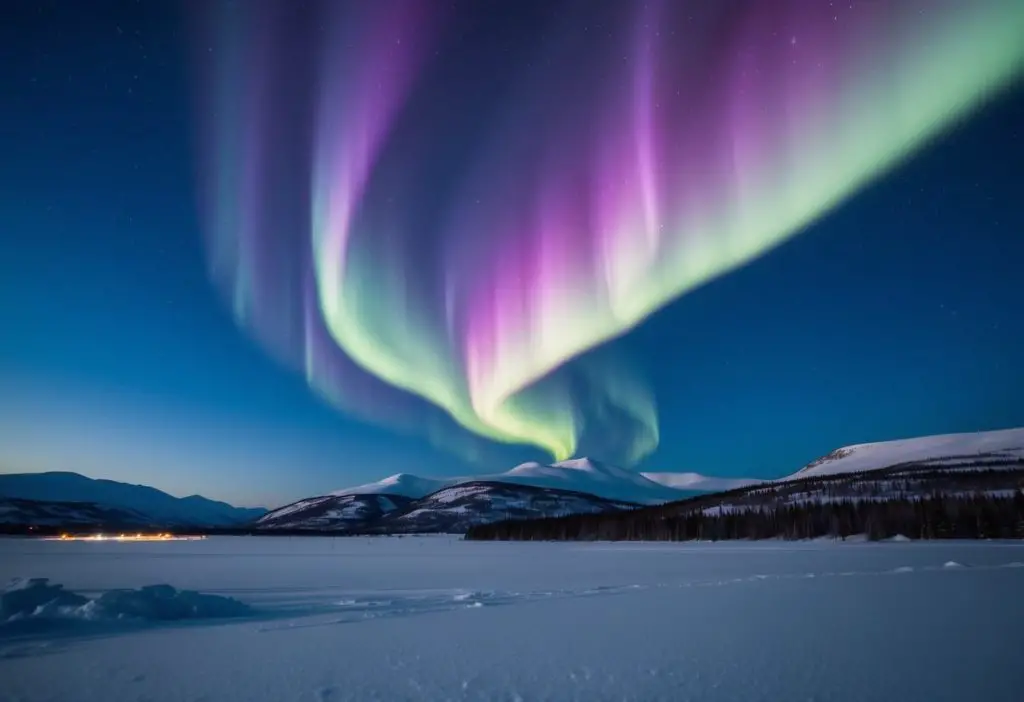
Fairbanks is one of the best places to see the Northern Lights. The city’s clear skies and low light pollution create perfect conditions for viewing this stunning natural display.
You can join various tours that take you to ideal viewing spots. These tours often include a knowledgeable guide who can share insights about the auroras. Popular options include small group tours and private experiences.
If you prefer to explore on your own, you can visit spots like Murphy Dome. This location offers a panoramic view of the sky, making it an excellent choice for catching the lights.
The best time to see the Northern Lights is during winter months, from late August to April. Planning to stay several nights in Fairbanks increases your chances of witnessing this breathtaking phenomenon.
Weather can affect visibility, so checking forecasts is wise. A stay of at least three nights in Fairbanks gives you about a 90% chance to see the lights. Dress warmly and enjoy the magical experience of the auroras dancing in the Alaskan sky.
5: Take a scenic train ride on the Alaska Railroad
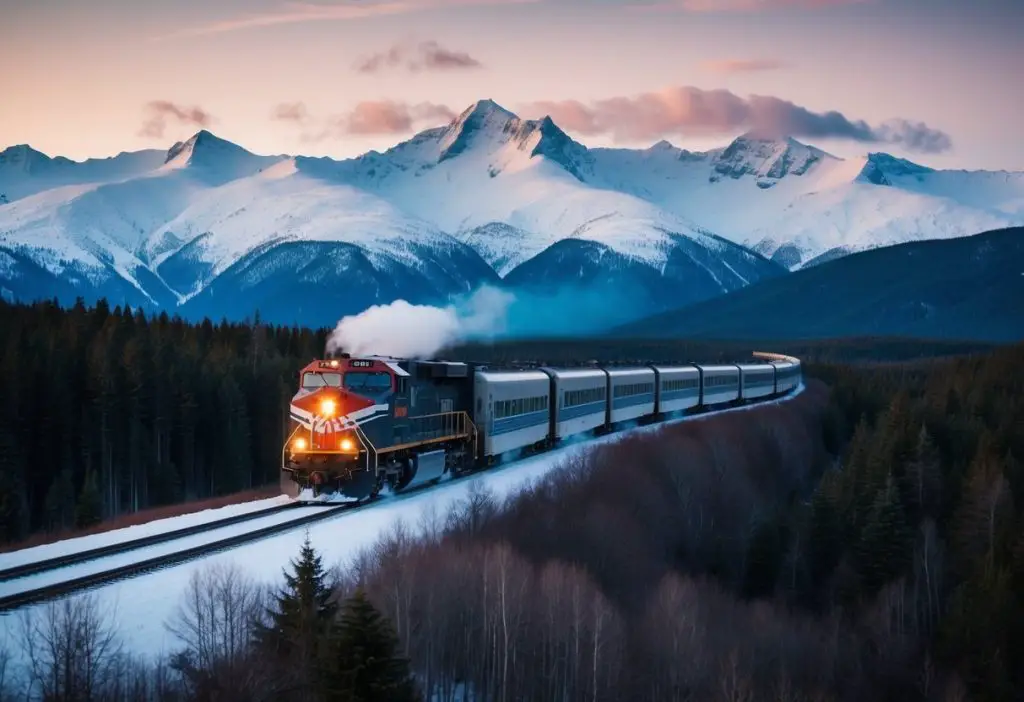
A scenic train ride on the Alaska Railroad is a must-do during your visit. The railroad covers over 470 miles, linking stunning destinations across Alaska.
You can experience breathtaking views as you travel through majestic mountains and valleys. One popular route is the Denali Star, which takes you through Denali National Park. You’ll witness incredible landscapes and may even spot wildlife along the way.
Another great option is the Coastal Classic, which travels from Anchorage to Seward. This route offers views of the coastline and the chance to explore Kenai Fjords National Park.
During summer, the train trips pair well with various activities. You can embark on wildlife cruises or explore glacier stops, making your journey even more memorable.
Be sure to grab a window seat to truly enjoy the scenery. The comfort of the train allows you to relax and take photos without any distractions. A ride on the Alaska Railroad gives you a unique perspective on this beautiful state.
Historical Overview of Alaska
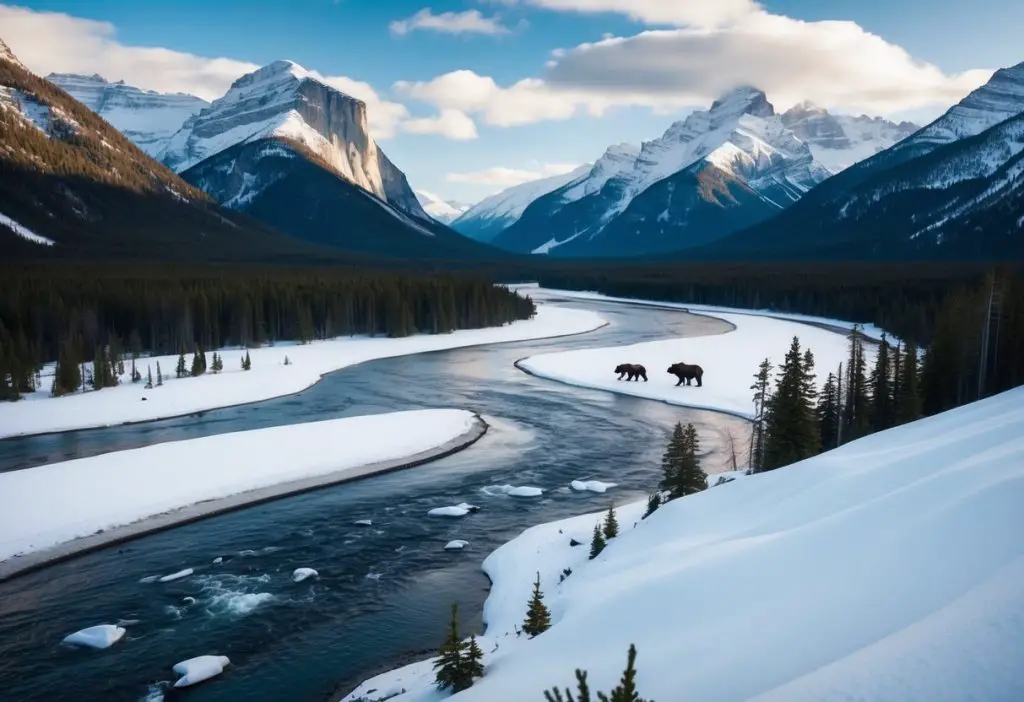
Alaska has a rich history marked by diverse cultures and significant events. Understanding the early inhabitants and the Russian influence provides insight into the state’s unique heritage.
Early Inhabitants and Cultures
The first people arrived in Alaska over 14,000 years ago. They are known as the ancestors of present-day Alaska Natives. These early inhabitants, including the Inuit, Tlingit, and Haida, developed distinct cultures shaped by their environment.
You can find evidence of their rich traditions in pottery, totems, and tools. Hunting, fishing, and gathering were vital for survival. The cultural practices of these groups still influence modern Alaska today. Festivals, storytelling, and art reflect their deep connection to the land and its resources.
Today, around 20 distinct Native languages are spoken, showcasing the diversity among tribes. The teachings and traditions of these early peoples remain an important part of Alaska’s identity.
Russian Influence and the Purchase of Alaska
In the late 18th century, Russian explorers began to settle in Alaska, drawn by fur trading opportunities. They established settlements and Russian Orthodox missions, significantly impacting the local cultures.
In 1867, the United States purchased Alaska from Russia for $7.2 million. This deal, known as “Seward’s Folly,” was met with skepticism at first. Many doubted the land’s value, but discoveries of gold and oil soon changed opinions.
The purchase opened the region to American settlers and industry. It marked the beginning of major economic and population shifts, transforming Alaska’s landscape and society. The Russian legacy is still visible in architecture and cultural elements, contributing to the state’s unique character.
Understanding Alaska’s Unique Climate and Geography
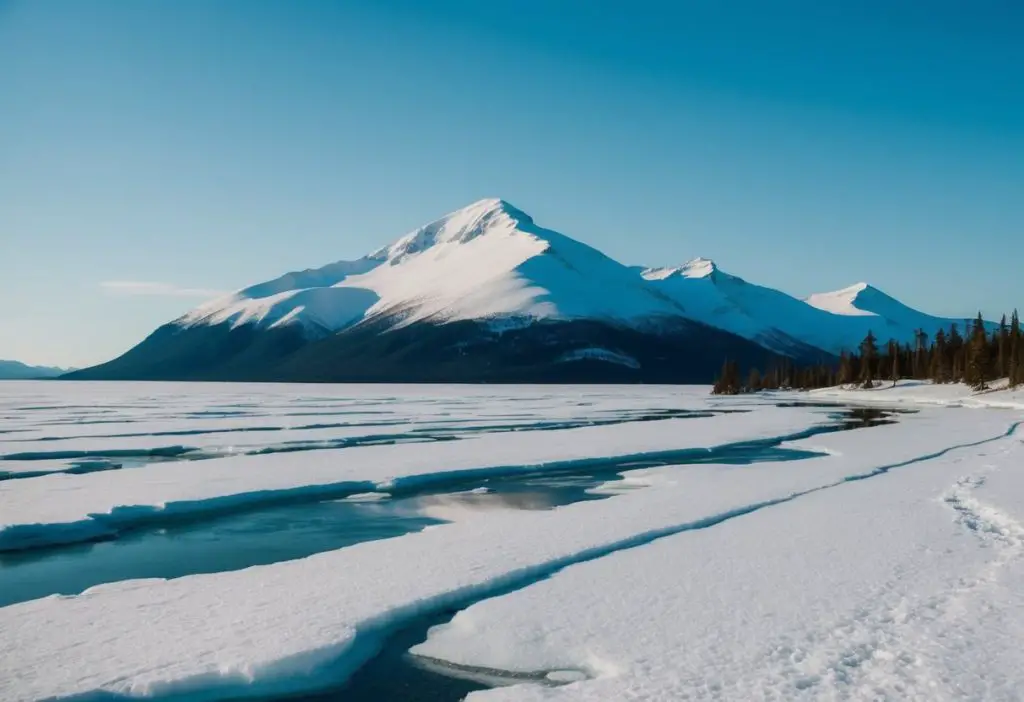
Alaska’s climate and geography are vital aspects that shape your experience. The state features distinct climate zones and boasts a variety of landscapes, from icy tundras to lush forests. Knowing these elements will enrich your understanding of Alaska’s natural environment.
Polar and Subpolar Climate Zones
Alaska is characterized by polar and subpolar climate zones. The northern regions experience extreme cold, especially in winter, with temperatures sometimes dropping below -50°F. Summer can be brief, with mild weather averaging around 50°F to 70°F.
In contrast, the southern coastal areas have a more temperate climate. Anchorage usually enjoys milder winters and pleasant summers, averaging around 60°F to 70°F. The climate varies widely, influenced by geography, with coastal areas receiving ample rainfall while the interior remains drier.
Diverse Landscapes and Ecosystems
Alaska’s landscapes range from towering mountains and expansive glaciers to dense forests and tundras. Each area hosts unique ecosystems. For example, the coastal regions are rich in marine life, while the interior supports wildlife such as moose and bear.
The state is home to numerous national parks, showcasing this diversity. You can encounter the stunning peak of Denali in Denali National Park or the vast wetlands of the Arctic National Wildlife Refuge. These natural features highlight Alaska’s ecological richness and environmental challenges.