

Georgia offers a rich tapestry of experiences for every traveler. From its stunning landscapes to its vibrant cities, you’ll find plenty of exciting options to explore. Whether you’re interested in outdoor adventures, historical landmarks, or unique cultural experiences, there is something for everyone in Georgia.
As you plan your visit, consider the diverse attractions spread across the state. You can enjoy natural wonders, engaging festivals, and much more. Each activity presents an opportunity to connect with the local culture and create lasting memories.
1: Explore Savannah’s Historic District

Savannah’s Historic District is a must-see for anyone visiting Georgia. This area is known for its well-preserved architecture and charming squares.
You can walk through 23 park squares, each with its own unique character. The tree-lined streets are perfect for a leisurely stroll.
Be sure to visit the iconic fountain in Forsyth Park. Its Spanish moss draped oak trees provide a scenic backdrop.
As you explore, you will find many 18th and 19th-century homes. These restored buildings tell the story of Savannah’s rich history.
Don’t miss the chance to check out local boutiques and restaurants. With over 100 dining options, you’ll find something for every taste.
For a more guided experience, consider taking a trolley tour. This allows you to hop on and off at various historical points of interest.
The Historic District is a blend of culture, history, and beauty. It’s an inviting place to learn more about Savannah’s past and enjoy the present.
2: Visit the Georgia Aquarium

The Georgia Aquarium is a must-see attraction in Atlanta. It is one of the largest aquariums in the world and offers a chance to explore diverse marine life.
You can enjoy awe-inspiring exhibits, like the Ocean Voyager, where you can see manta rays and sharks swimming overhead. The aquarium is home to thousands of animals from all over the globe.
Participate in interactive experiences, such as animal encounters, that let you get closer to marine creatures. This will enhance your visit and create lasting memories.
Don’t miss the daily shows featuring dolphins and sea lions. These performances are both entertaining and educational.
Plan your visit around special events and programs to get the most out of your experience. The aquarium also hosts seasonal activities, so check the schedule when you arrive.
Whether you are visiting with family or friends, the Georgia Aquarium promises a fun and enriching day.
3: Hike Amicalola Falls State Park
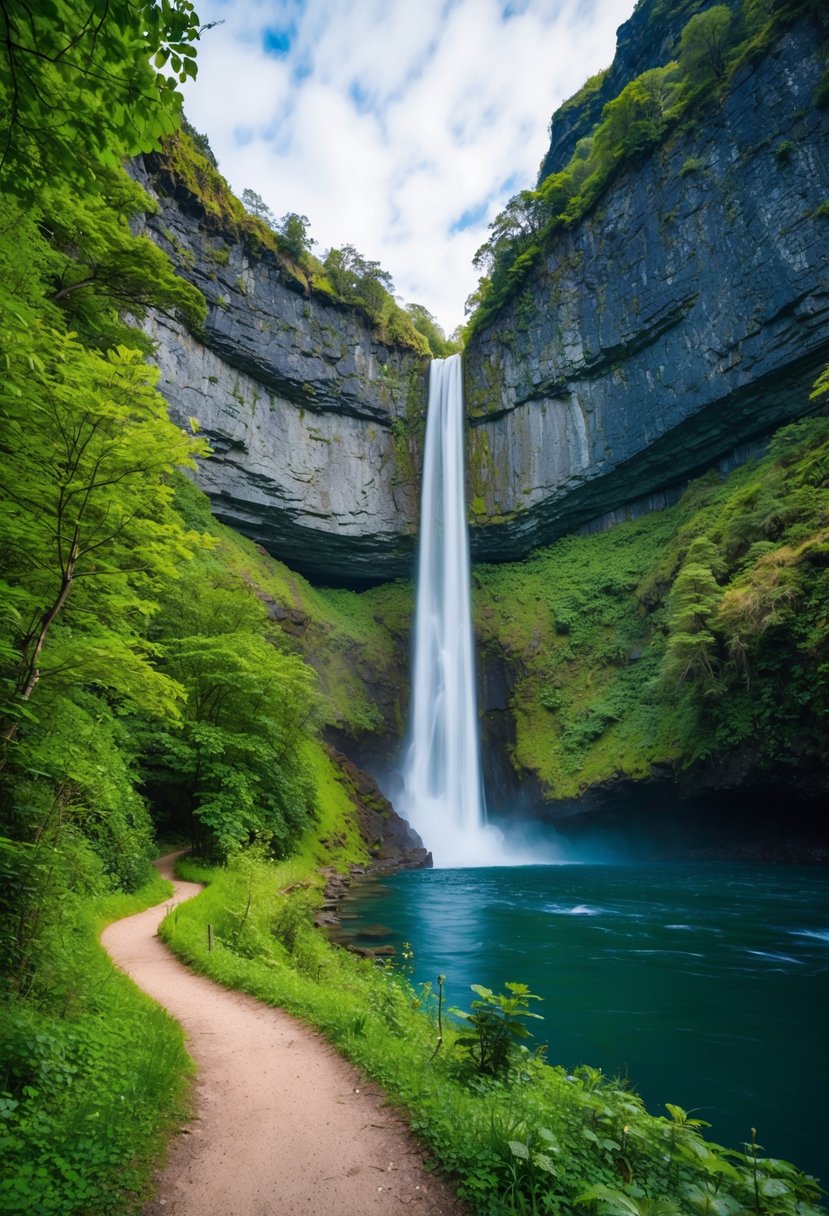
Hiking Amicalola Falls State Park is a rewarding experience. The park features the tallest waterfall east of the Mississippi River, standing at 729 feet. This stunning sight attracts many visitors each year.
You can explore 14 miles of trails, including the famous approach trail to Springer Mountain. This trail is the southern end of the Appalachian Trail. It offers various scenic views and a chance to connect with nature.
As you hike, you’ll encounter numerous stairs leading to the top of the falls. This climb may be challenging, but the view is worth the effort. Along the way, enjoy the sounds of cascading water.
The park is family-friendly and suitable for hikers of different skill levels. Bring water and snacks, and take your time to enjoy the scenery. Don’t forget your camera to capture the beautiful landscapes.
For more information about trails and planning your visit, check out AllTrails. You’ll find maps and reviews from other hikers.
4: Tour the Martin Luther King Jr. National Historic Site

Visiting the Martin Luther King Jr. National Historic Site allows you to explore the life of a key figure in American history. You can start at the Visitor Center. Here, you will find exhibits that detail Dr. King’s life and work.
One important stop is his childhood home. You can see where he grew up, which offers insight into his early life. The home is located at 501 Auburn Avenue, the site of his birth on January 15, 1929.
Another notable site is the Ebenezer Baptist Church. This historic church was where Dr. King preached and developed his vision for civil rights. The church plays an important role in understanding his impact on society.
You can also visit the World Peace Rose Garden. It features beautiful flowers and serves as a symbol of hope and peace. Each area within the park helps you appreciate Dr. King’s legacy.
Make sure to take your time as you walk through these significant sites. Each part of the park offers a unique perspective on the values Dr. King championed throughout his life.
5: Discover the Okefenokee Swamp
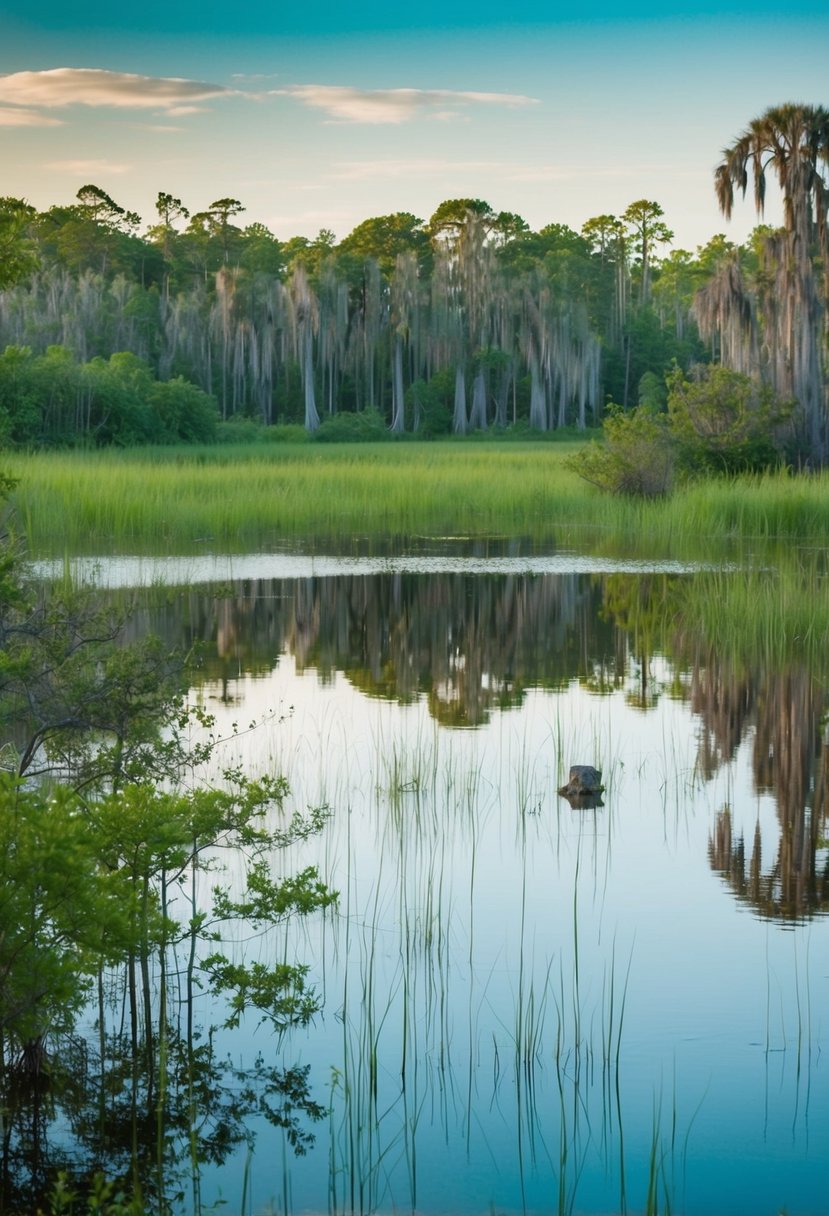
The Okefenokee Swamp is a unique natural wonder located in southern Georgia. It spans over 400,000 acres and is rich in biodiversity. You’ll find countless species of plants and animals here.
You can explore the swamp through guided boat tours that offer close-up views of its beautiful landscapes. Kayaking is also popular, giving you the chance to paddle through the tranquil waters.
Walking trails provide another way to experience the swamp. These paths let you see various wildlife and enjoy the unique ecosystem. Remember to take your camera for the stunning sights.
The swamp is home to alligators, herons, and many types of fish. If you visit, be ready for an adventure filled with discovery.
Okefenokee Swamp is recognized as one of Georgia’s natural treasures. It’s a place where you can connect with nature and appreciate the beauty of the wild. You should include it in your travel plans when exploring Georgia.
Geography and Climate
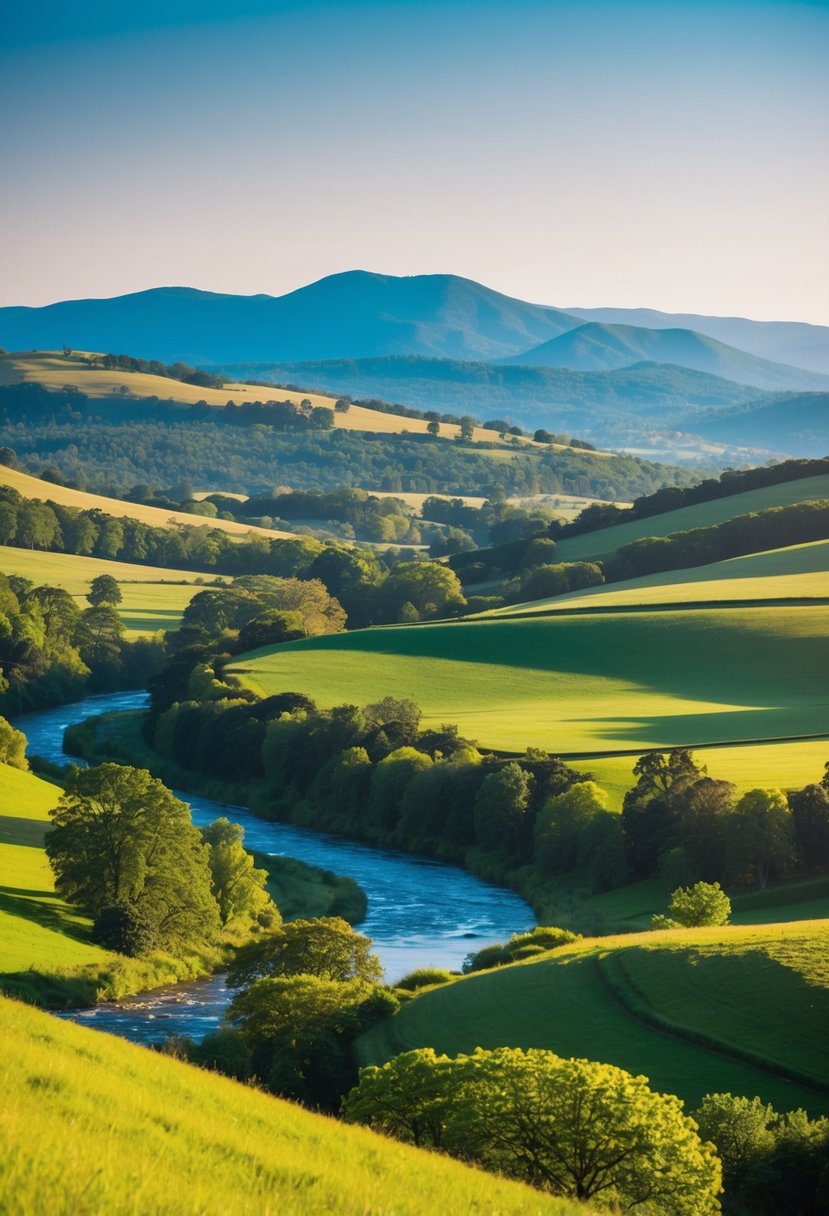
Georgia features a unique mix of landscapes and a climate that varies from region to region. Understanding these elements enhances your experience while exploring the state.
Diverse Landscapes
Georgia boasts a variety of landscapes that include mountains, forests, and coastal areas. The northern part of the state is home to the Blue Ridge Mountains, which offer stunning views and outdoor activities like hiking and fishing.
To the south, you’ll find rolling hills and lush plains ideal for agriculture. The coastal region features barrier islands, such as Jekyll Island, known for their beautiful beaches and natural settings.
This diversity makes Georgia an attractive destination for nature lovers and adventure seekers alike. Each area offers its own unique attractions, from waterfalls to wildlife.
Seasonal Weather Patterns
Georgia experiences a humid subtropical climate, resulting in hot summers and mild winters. Summer temperatures often reach the high 90s °F, especially in July, making it a prime time for outdoor activities.
Winters are generally mild, with temperatures averaging in the 40s °F. Snowfall is rare but can occur in northern parts of the state.
Spring and fall bring comfortable temperatures, perfect for exploring Georgia’s natural beauty. Rainfall is common, especially in the summer months, so be prepared for sudden thunderstorms. Planning your visit with this weather information in mind can significantly enhance your experience.
Cultural Insights

Georgia has a rich cultural landscape shaped by its history and traditions. You will find unique practices, vibrant festivals, and a deep sense of community here.
Historical Significance
Georgia’s history is a tapestry of different influences. From ancient civilizations to modern times, significant events have shaped its identity.
Savannah’s Historic District allows you to explore the well-preserved Pre-Civil War architecture. Walking through the cobblestone streets, you can see historical sites that tell stories of the past.
Additionally, sites like St. EOM’s Pasaquan offer colorful insights into folk art and the creative expressions of past residents. These sites reflect the diverse cultural heritage that defines Georgia.
Festivals and Traditions
Festivals in Georgia celebrate its vibrant culture. Events like the Atlanta Dogwood Festival showcase local art, music, and food. It draws visitors each spring, making it a popular highlight in the social calendar.
You can also experience the Georgia National Fair, where local traditions are front and center. Enjoy everything from traditional music to delicious Southern cuisine.
Local traditions often include storytelling, dance, and communal gatherings. These celebrations reinforce community bonds and keep historical practices alive. Engaging in these events gives you a deeper appreciation for Georgia’s culture.