
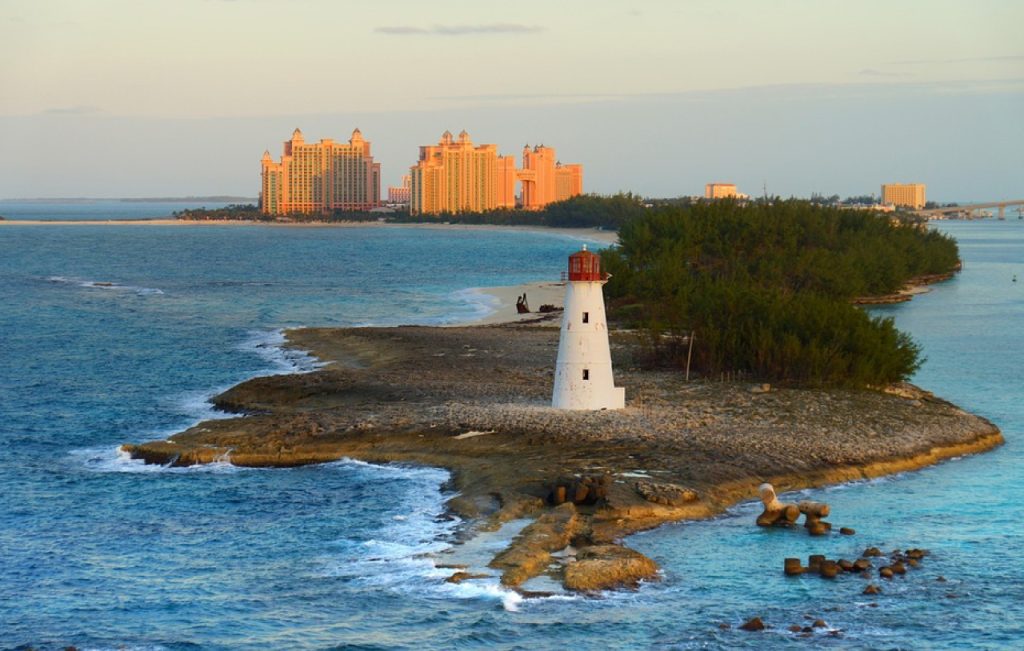
When you think about the Bahamas, images of stunning beaches and crystal-clear waters often come to mind. This tropical paradise offers a wide range of activities and attractions that can enhance your experience. From exploring vibrant marine life to enjoying local culture, the Bahamas has something to offer every kind of traveler.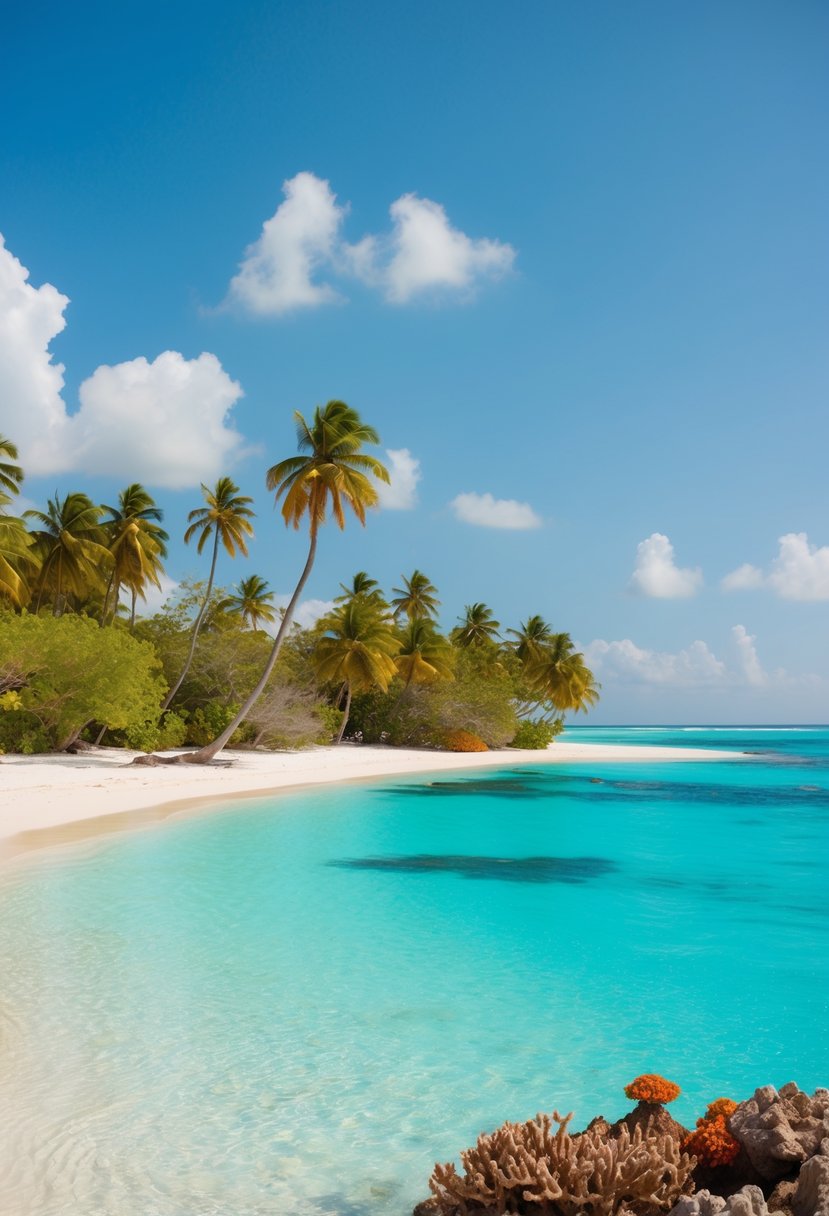
You can dive into the beautiful landscapes or relax on the soft sands. Whether you are planning a family vacation, a romantic getaway, or an adventure-filled trip, the Bahamas provides numerous opportunities for unforgettable experiences.
1: Visit Pig Beach
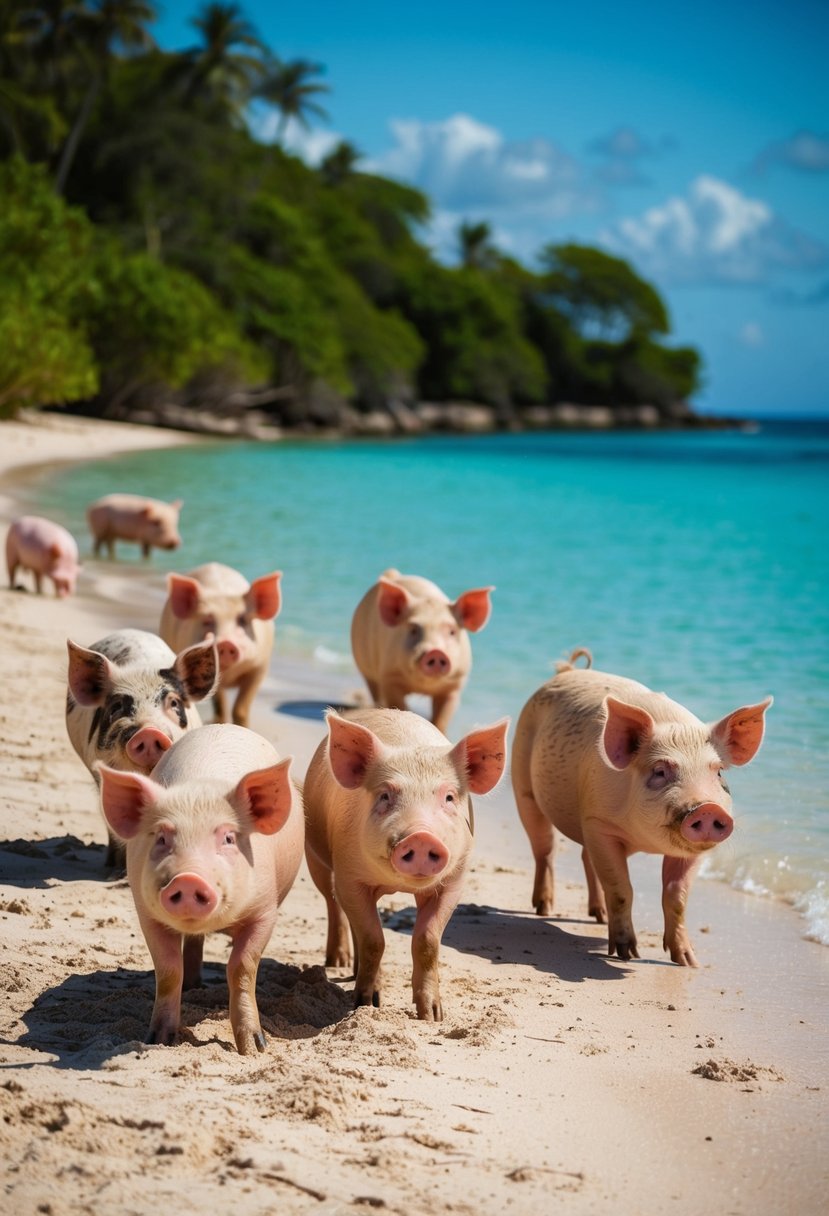
Pig Beach, located on Big Major Cay in the Exumas, is a unique spot where you can swim with friendly pigs. This beach has become a popular attraction, drawing visitors to experience its clear waters and white sand.
To reach Pig Beach, you typically need to join a guided tour, as there are no accommodations on the island. Many tours depart from Staniel Cay, a small island nearby, making access easy. It takes about 10 minutes by boat to get there.
Once you arrive, you can explore the beach and interact with the pigs. These animals are known for their playful nature and will often swim alongside you. Make sure to follow the do’s and don’ts to ensure a positive experience for both you and the pigs.
The best time to visit is from December to April, when the weather is warm and pleasant. Temperatures rarely drop below 60°F (15°C), making it an ideal destination year-round. Pig Beach offers a memorable adventure that you won’t want to miss while in the Bahamas.
2: Explore Blue Hole
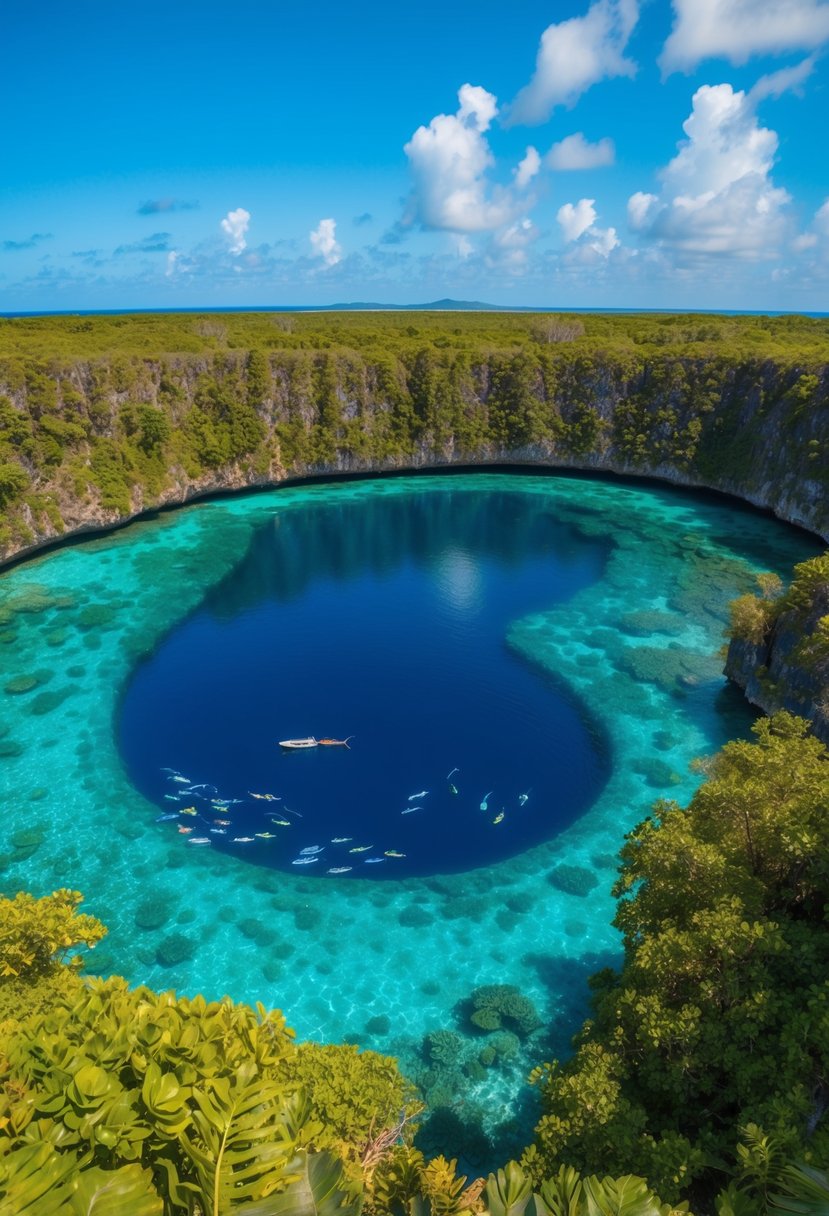
Visiting a blue hole is a unique experience you won’t want to miss in the Bahamas. These underwater sinkholes are famous for their deep, clear waters.
One of the most popular blue holes is Dean’s Blue Hole on Long Island. It plunges 663 feet deep, making it the second deepest blue hole in the world. You can swim, dive, or just relax on the surrounding beach.
Sapphire Blue Hole offers another stunning option. Located on Eleuthera, its crystal-clear water and beautiful surroundings make it ideal for swimming and snorkeling.
Exploring these natural wonders allows you to see colorful fish and marine life. Many people feel a sense of adventure and peace when swimming in these unique spots.
Make sure to pack your snorkeling gear. Exploring the depths of the blue holes can reveal hidden caves and vibrant underwater ecosystems. Don’t forget your camera for unforgettable photos!
3: Tour Atlantis Paradise Island
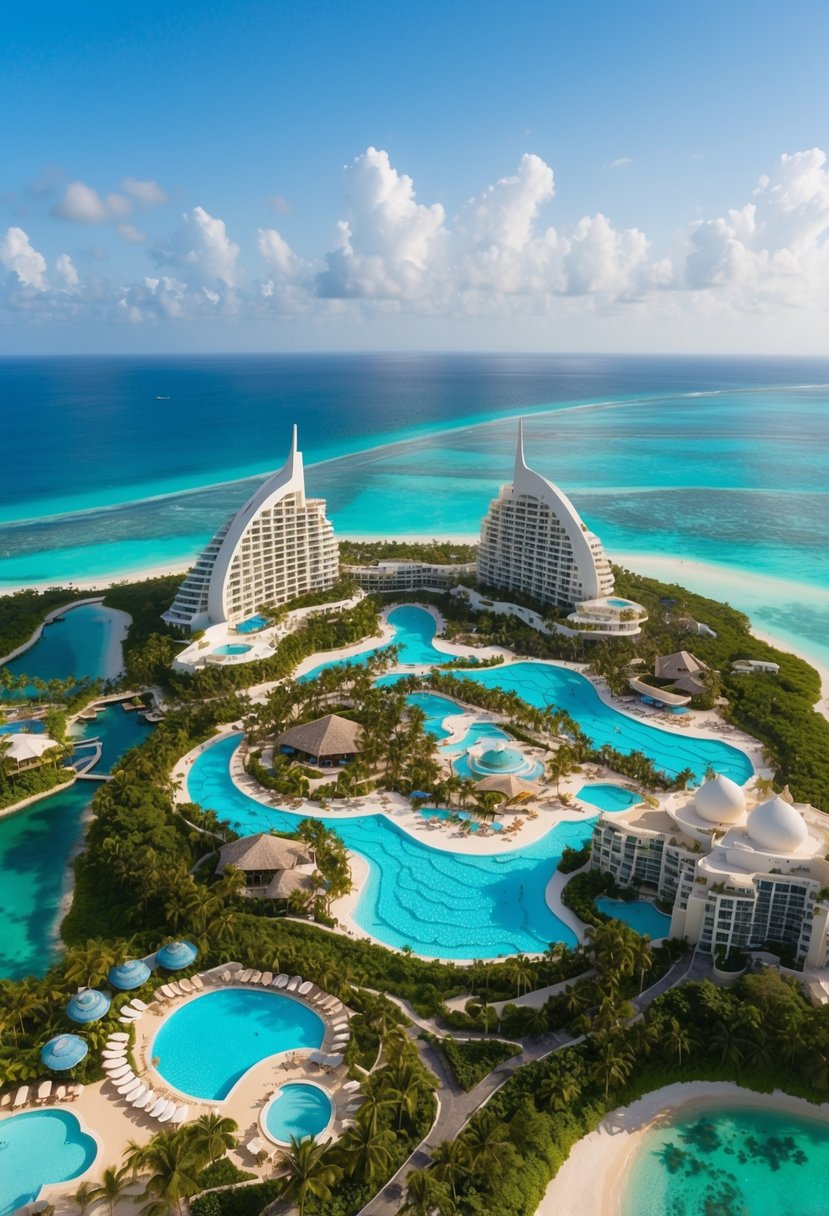
Visiting Atlantis Paradise Island is a must when you’re in the Bahamas. This resort is known for its stunning architecture and fun activities.
Explore the impressive marine exhibits. You can see over 50,000 aquatic animals in the world’s largest open-air marine habitat. This includes fish like piranhas and sharks, offering a close look at diverse marine life.
For adventure, try Aquaventure. This water park features thrilling water slides and a lazy river ride. It’s a great way to cool off and enjoy some excitement.
Take part in a guided tour to nearby islands. You can learn about the area’s history and enjoy pristine beaches like Rose Island. These excursions let you experience the beauty of the Bahamas.
Don’t miss the chance to experience unique dining options. Atlantis has restaurants that offer various cuisines, including fresh seafood.
With so much to see and do, a tour of Atlantis Paradise Island can fill your day with adventures. Enjoy the beautiful surroundings and create lasting memories.
4: Snorkel at Exuma Cays
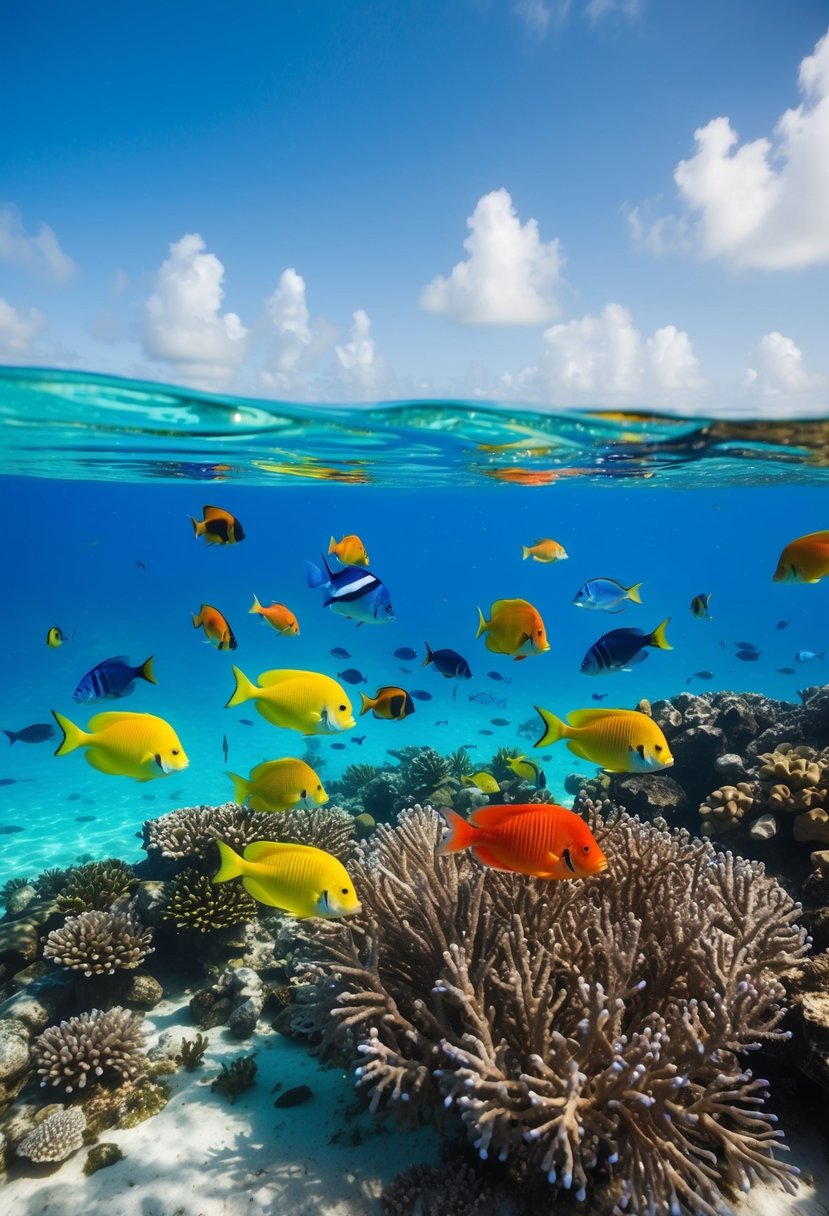
Snorkeling at Exuma Cays offers a chance to explore vibrant underwater life. The clear, turquoise waters are home to colorful coral reefs and a variety of marine species.
You can swim alongside sea turtles and tropical fish, making it an unforgettable experience. The natural beauty of the reefs creates a stunning backdrop for your adventure.
The Exuma Cays Land and Sea Park is a popular spot for snorkeling. It is a protected area that boasts some of the best marine ecosystems in the Bahamas.
Many tour operators provide snorkeling trips, catering to all skill levels. You can join a guided tour or rent equipment for a more independent experience.
Take your time to enjoy the underwater scenery and the calm surroundings. Each snorkeling session can reveal new discoveries, from hidden reefs to unique sea creatures.
5: Relax at Cable Beach
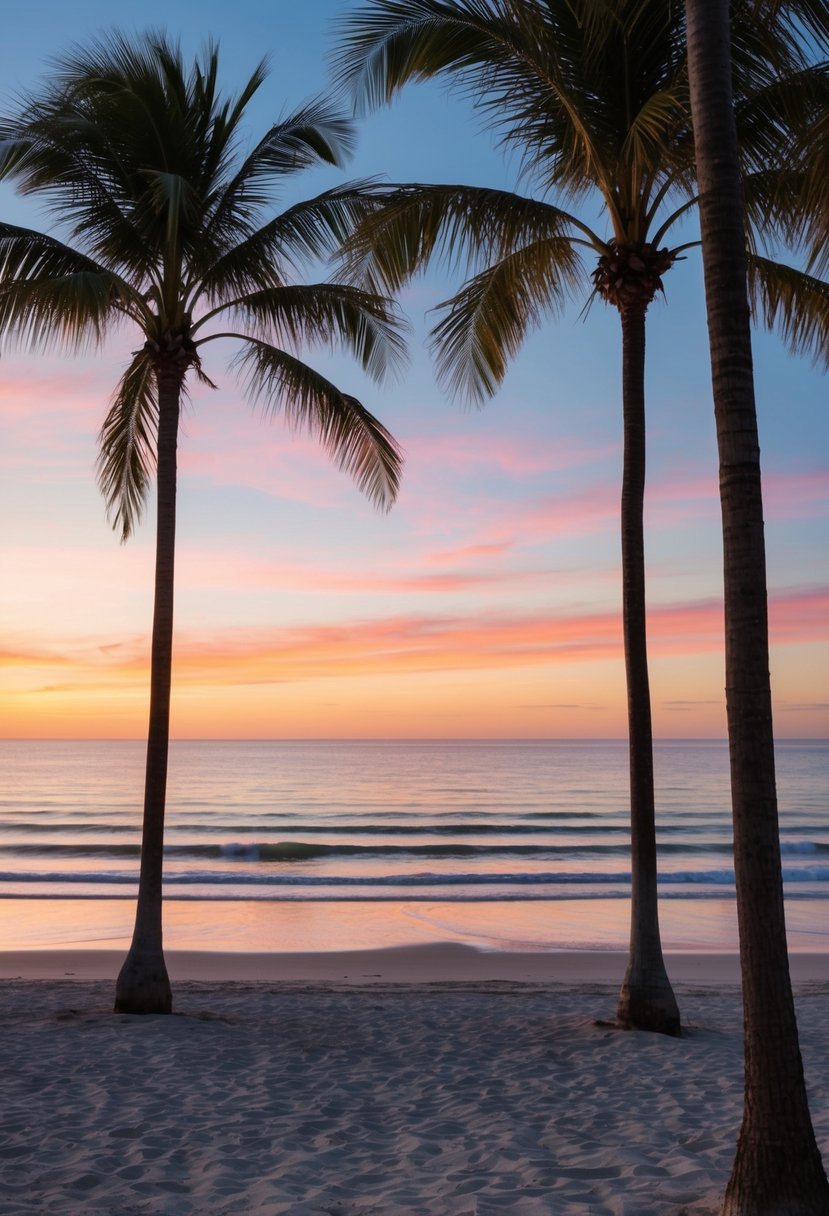
Cable Beach is a beautiful spot to unwind during your trip to the Bahamas. The soft, white sand and clear blue waters provide a perfect backdrop for relaxation.
You can set up a beach chair and soak in the sun. The beach is not just for lounging; water sports like snorkeling and jet skiing are available if you feel more active.
Several luxurious resorts line the beach, offering amenities such as bars and restaurants. You can enjoy a refreshing drink or a meal while taking in the scenic views.
Cable Beach is a family-friendly area, making it suitable for visitors of all ages. There are plenty of spots for kids to play, ensuring everyone has a great time.
The beach is easily accessible, and you can find nearby shops for any necessities. Whether you want to relax or explore, Cable Beach is an ideal place to enjoy your time in the Bahamas.
History and Culture of the Bahamas
The Bahamas has a rich history shaped by its indigenous peoples, colonial past, and modern cultural practices. Each phase contributes to the vibrant tapestry of life on the islands.
Influence of Indigenous Peoples
Before European arrival, the Bahamas was inhabited by the Lucayan Taino people. They were skilled fishermen and farmers, cultivating crops like cassava, maize, and peppers. They also engaged in trade with other Caribbean communities.
The Lucayans lived in small villages, using canoes made from native trees. Their society was organized around communal living and respect for nature. Sadly, their population diminished dramatically due to diseases and slavery after the Europeans arrived.
Today, you can find remnants of this heritage in local crafts and cultural practices. Visitors can explore this history through local museums and festivals celebrating native traditions.
Colonial Heritage
The first European to visit was Christopher Columbus in 1492, claiming the islands for Spain. Over the ensuing centuries, the Bahamas changed hands between various colonial powers, including the Spanish, British, and pirates.
In 1718, the British established formal control. This period saw the establishment of plantations using enslaved Africans for labor. The influence of this era is evident in traditional architecture and place names.
Many historic sites, like forts and heritage buildings, allow you to step back in time. You can explore structures like Fort Charlotte, which offer stunning ocean views and insights into colonial life.
Modern Culture and Traditions
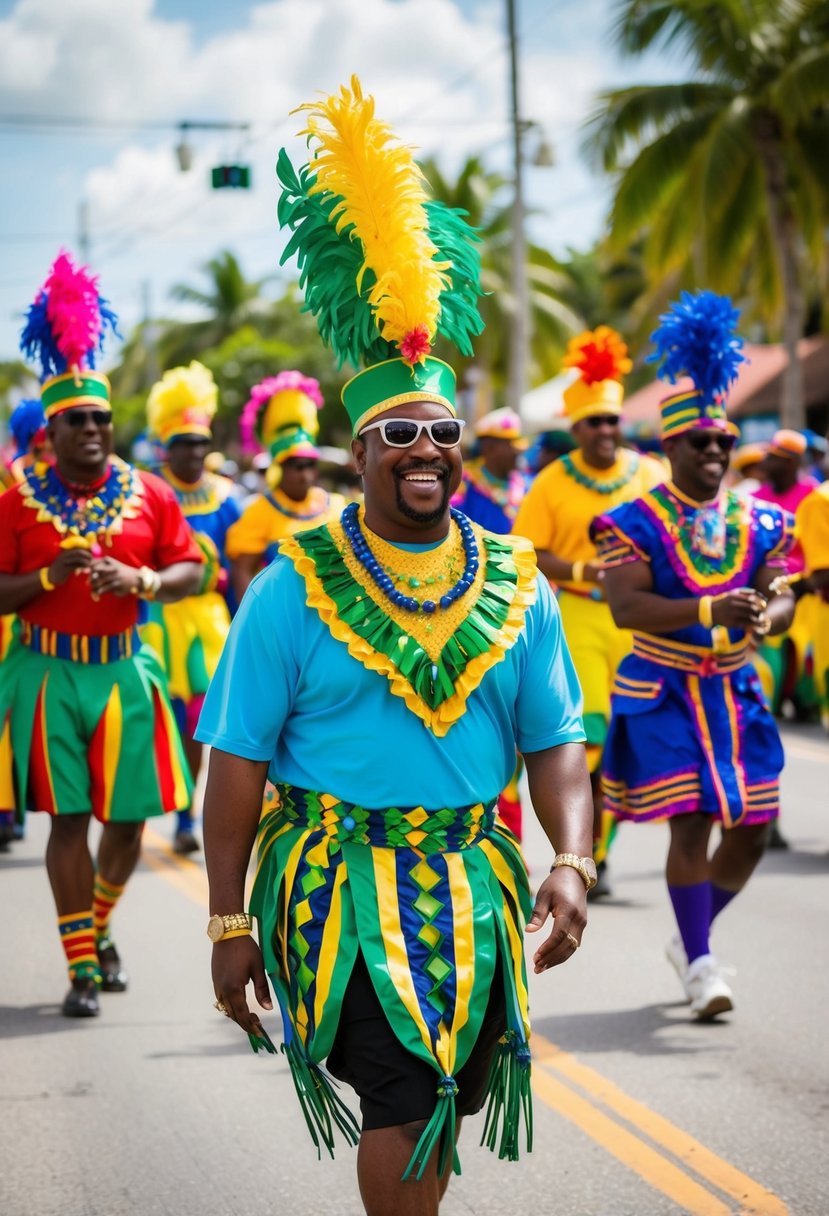
Today, the culture of the Bahamas is a blend of African, European, and indigenous influences. Junkanoo is a vibrant festival celebrating Bahamian culture through music, dance, and colorful costumes. It occurs every Boxing Day and New Year’s Day.
Cuisine plays a significant role in Bahamian identity. Local dishes include conch fritters, rock lobster, and pigeon peas. You can explore these flavors at restaurants across the islands.
The widespread practice of “big drum” music reflects the African heritage. Events featuring this rhythmic music and dance highlight community spirit and pride. This diverse cultural mix makes the Bahamas unique and engaging for visitors.
Geography and Climate
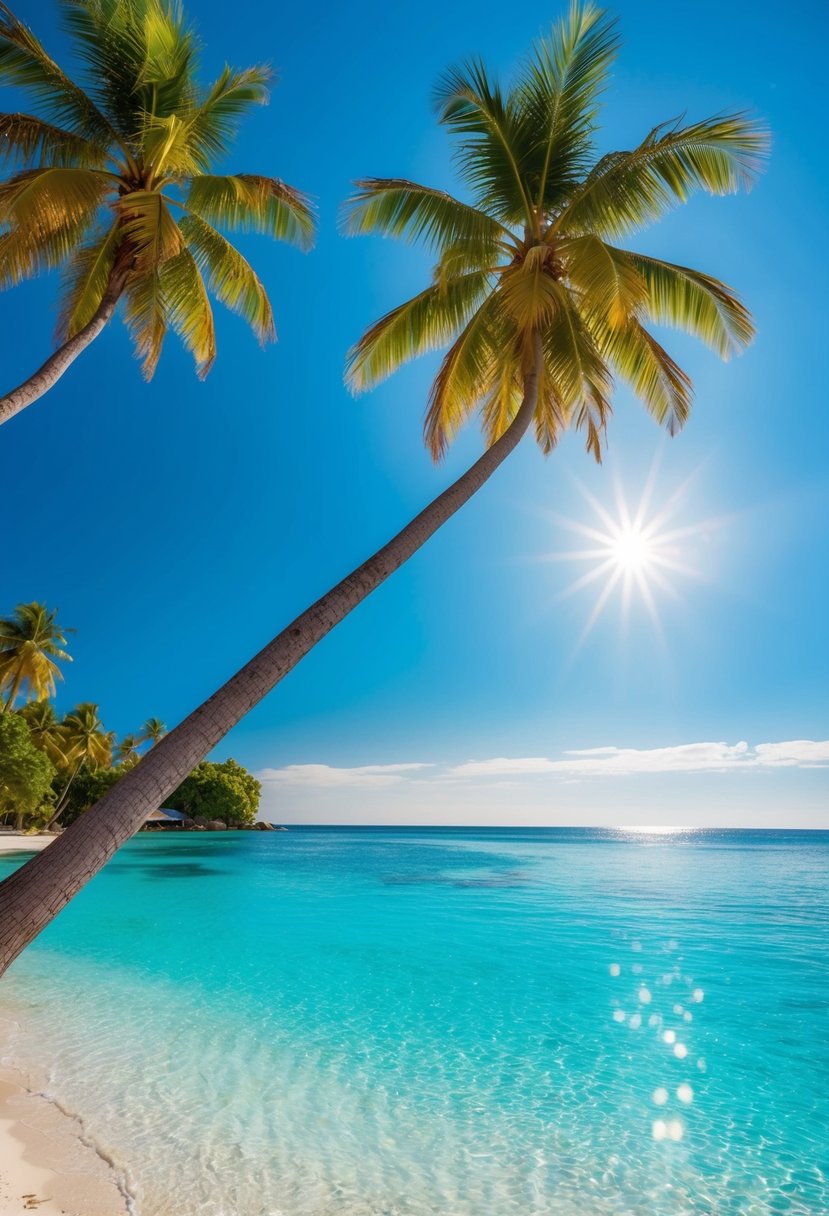
The Bahamas features stunning geological characteristics and a tropical climate that greatly enhance its appeal as a travel destination. Understanding these elements will help you fully appreciate the islands’ beauty and plan your visit accordingly.
Unique Geological Features
The Bahamas consists of about 700 islands and cays. These islands are mostly low-lying, with the highest point being only around 206 feet above sea level.
The region is known for its breathtaking coral reefs, specifically the third longest barrier reef in the world. This makes it a prime location for snorkeling and diving.
You can find various geological formations, such as blue holes. These underwater sinkholes attract scuba divers and adventurers.
The unique structure of the islands results from the limestone bedrock, creating stunning shorelines and vibrant marine life.
Weather Patterns and Seasons
The climate in the Bahamas is classified as tropical, making it warm and inviting year-round. Average temperatures range from 70°F in winter to 80°F in summer.
The peak travel season occurs from December to April due to the mild and dry weather.
In the summer months, expect higher humidity and more rainfall.
Hurricane season runs from June to November. The islands can experience tropical storms, so it’s wise to stay updated on weather forecasts during this time.
With your understanding of the geography and climate, you can better plan your activities and enjoy the diverse landscapes of the Bahamas.