
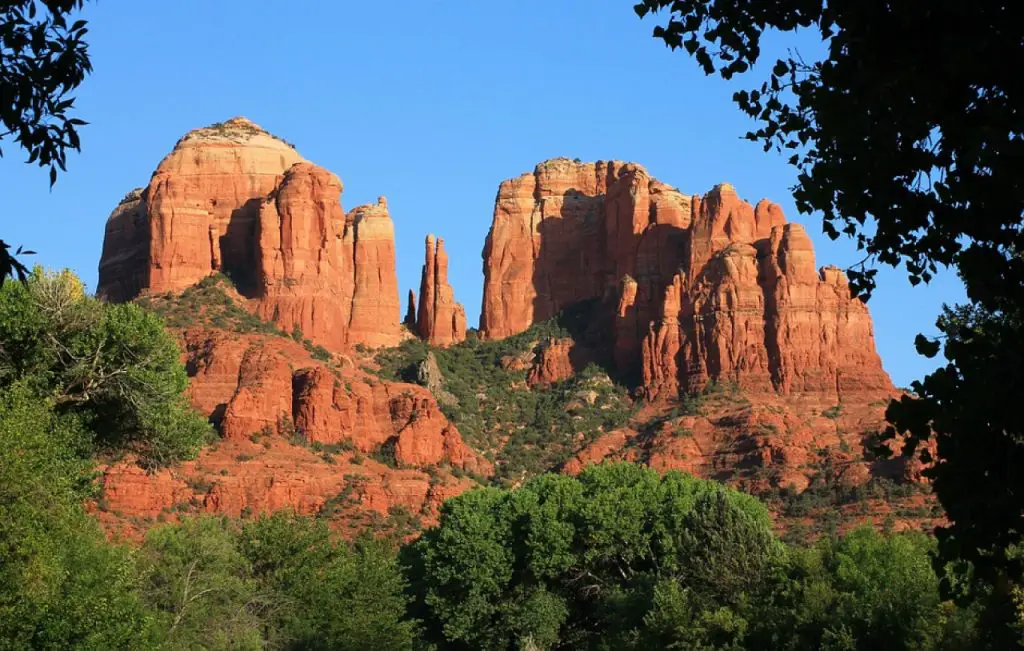
Arizona offers a wealth of experiences for visitors looking to explore its stunning landscapes and rich history. You can discover a mix of natural wonders, vibrant cities, and unique cultural attractions that make Arizona a captivating travel destination. Whether you’re an outdoor enthusiast or a history buff, there are plenty of activities that cater to your interests.

From breathtaking parks to fascinating historical sites, Arizona has something for everyone. You can enjoy adventures in the great outdoors or immerse yourself in the local culture. With each corner of the state presenting different attractions, you’ll find it easy to plan an unforgettable trip.
1: Grand Canyon National Park
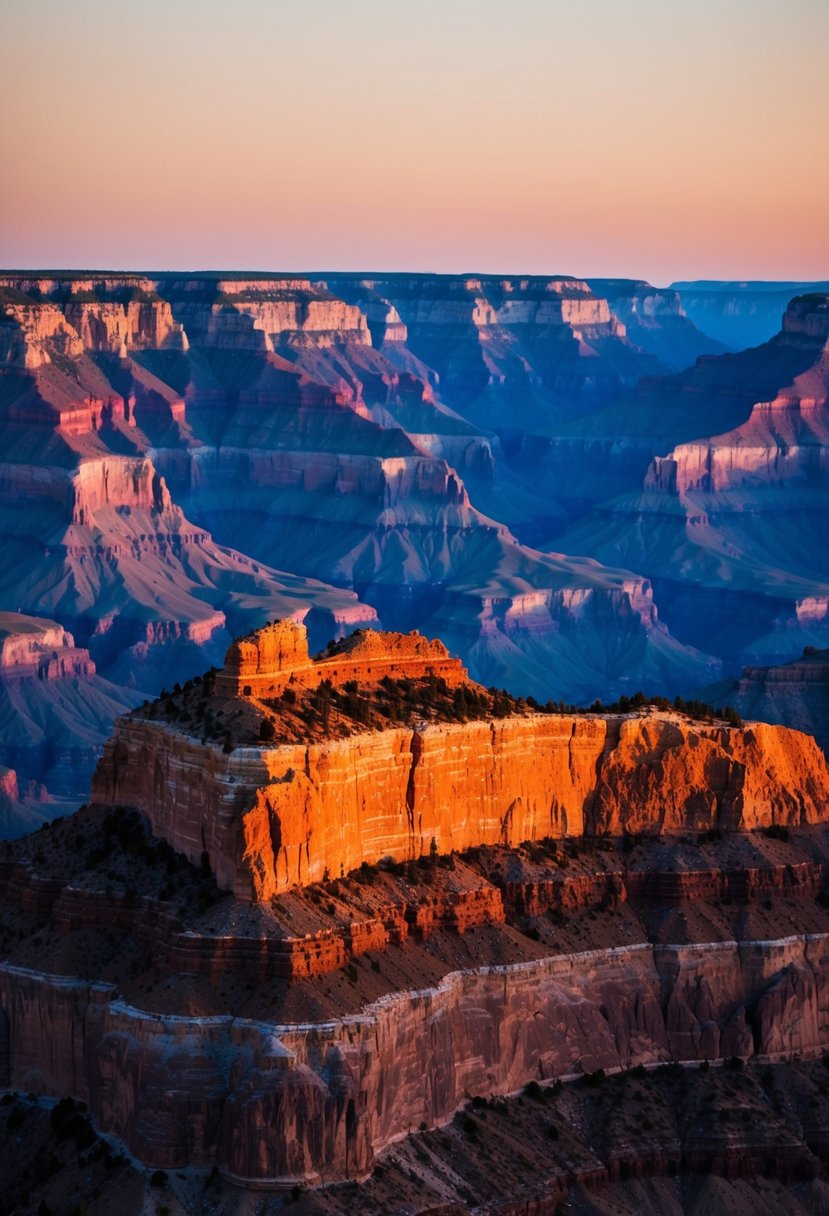
Visiting Grand Canyon National Park offers stunning views and many outdoor activities. There are multiple viewpoints along the South Rim where you can take in the breathtaking sights.
If you enjoy hiking, there are trails for all skill levels. The Bright Angel Trail is popular for its scenery and access to the Colorado River. For a unique experience, consider taking a helicopter flight to see the canyon from above.
Camping is also an option if you want to stay overnight. Mather Campground is a great choice, but remember that it fills up quickly. You can reserve a spot in advance.
Don’t forget to check out the Grand Canyon Skywalk. This glass bridge extends over the canyon, giving you a thrilling view straight down.
Whether you want adventure or relaxation, the Grand Canyon has something for everyone. Make sure to plan your visit to make the most of your time in this stunning natural wonder.
2: Hiking in Sedona’s Red Rock Country
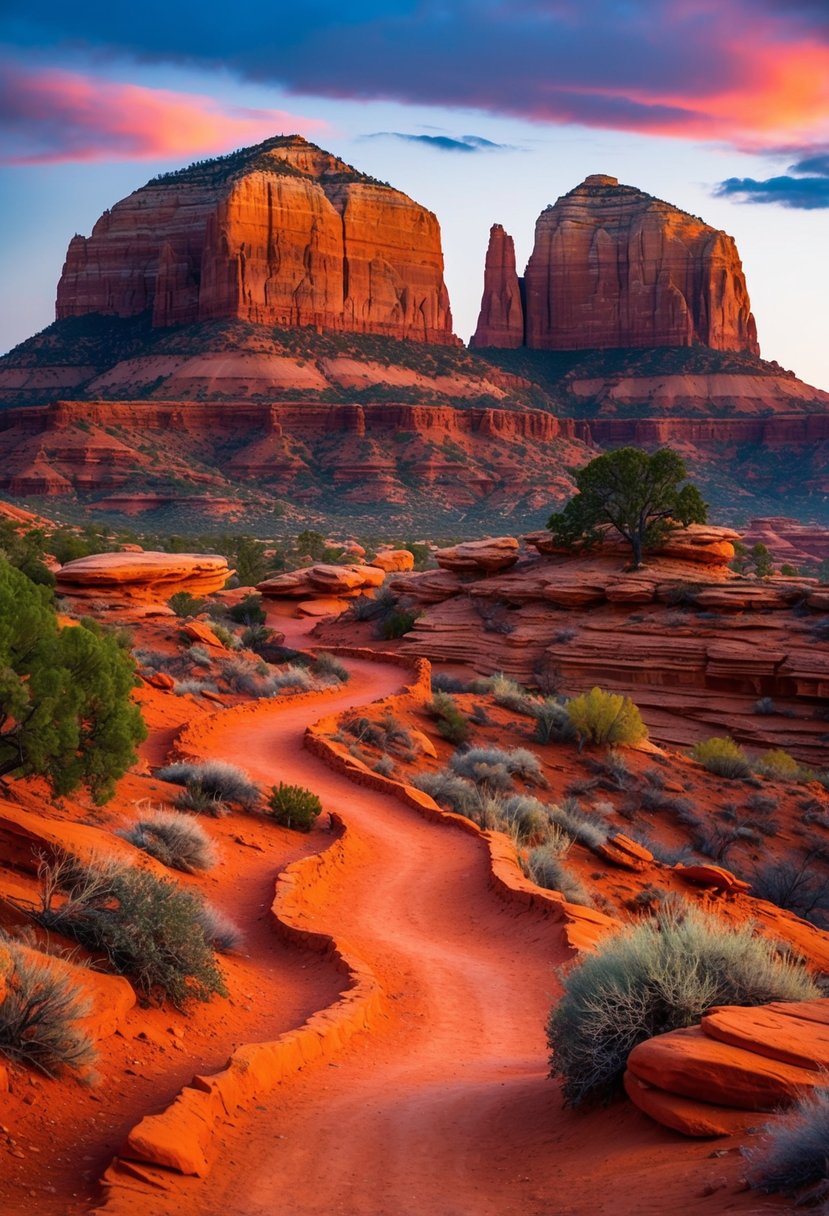
Hiking in Sedona’s Red Rock Country is a must-do for outdoor enthusiasts. The area is famous for its stunning red rock formations and beautiful landscapes. You will find trails suitable for all levels, from easy strolls to challenging hikes.
One popular trail is the Airport View (Mesa Summit) Trail. It is 1.4 miles long and offers great views with an easy to moderate difficulty level.
If you’re looking for something more adventurous, try the Broken Arrow Trail. This trail is 3.5 miles round trip and provides a taste of Sedona’s iconic scenery.
Many trails require a Red Rock Pass, which costs $5 for a day or $15 for a week.
Make sure to stay safe and leave no trace while enjoying the natural beauty. This hiking experience will let you connect with nature in a truly spectacular setting.
3: Visit the Desert Botanical Garden
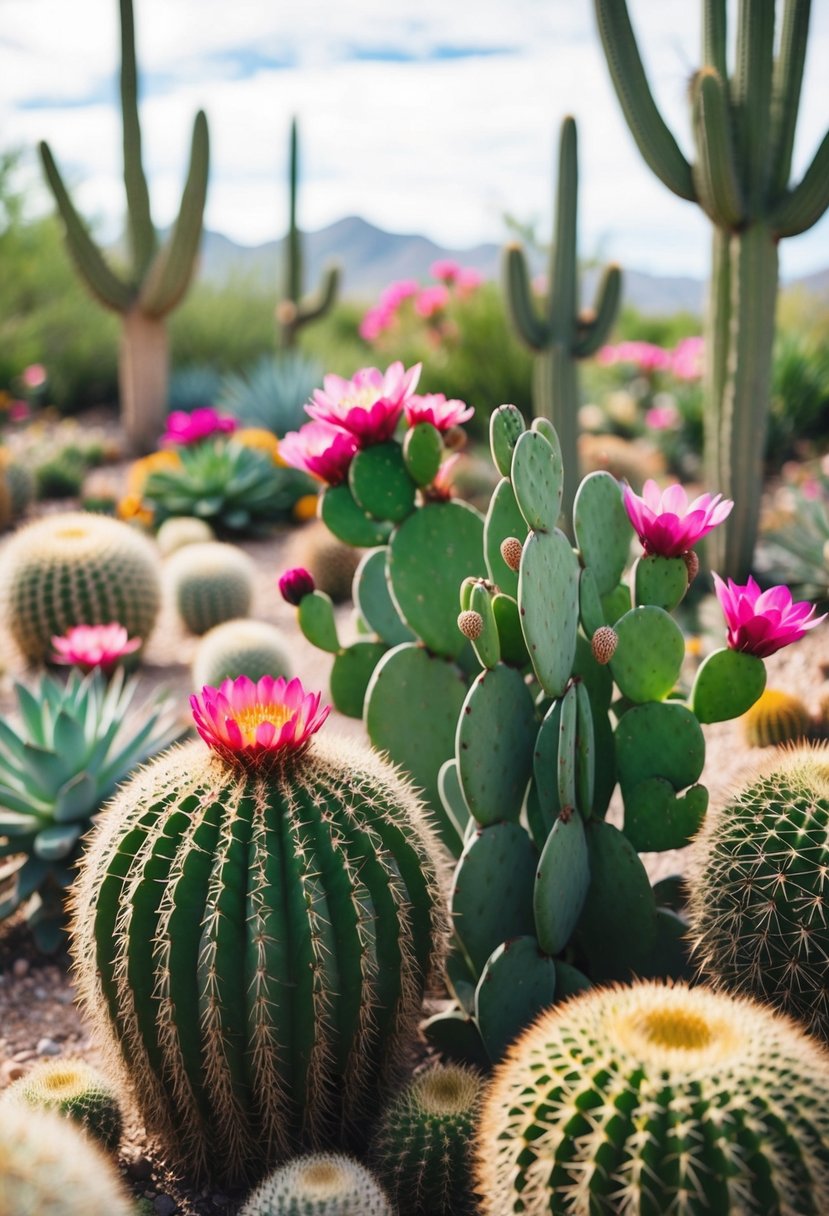
The Desert Botanical Garden in Phoenix is a great place to explore unique plants. It features thousands of species, including various cacti and desert flowers. The garden spans 55 acres, giving you plenty of space to wander.
You can see how plants adapt to dry conditions. The garden offers volunteer-led tours where you can learn about these fascinating survival strategies. Tour times are available every day except major holidays, such as Thanksgiving and Christmas.
The best times to visit are early in the morning or later in the afternoon. This helps you avoid large crowds and enjoy a more peaceful experience. Remember to wear comfortable shoes for walking on paths that can be uneven.
In addition to the plants, expect various activities throughout the year. Events might include exhibitions or special family programs that allow for hands-on learning. The Desert Botanical Garden is a beautiful place to appreciate the remarkable Sonoran Desert ecosystem.
4: Explore Antelope Canyon
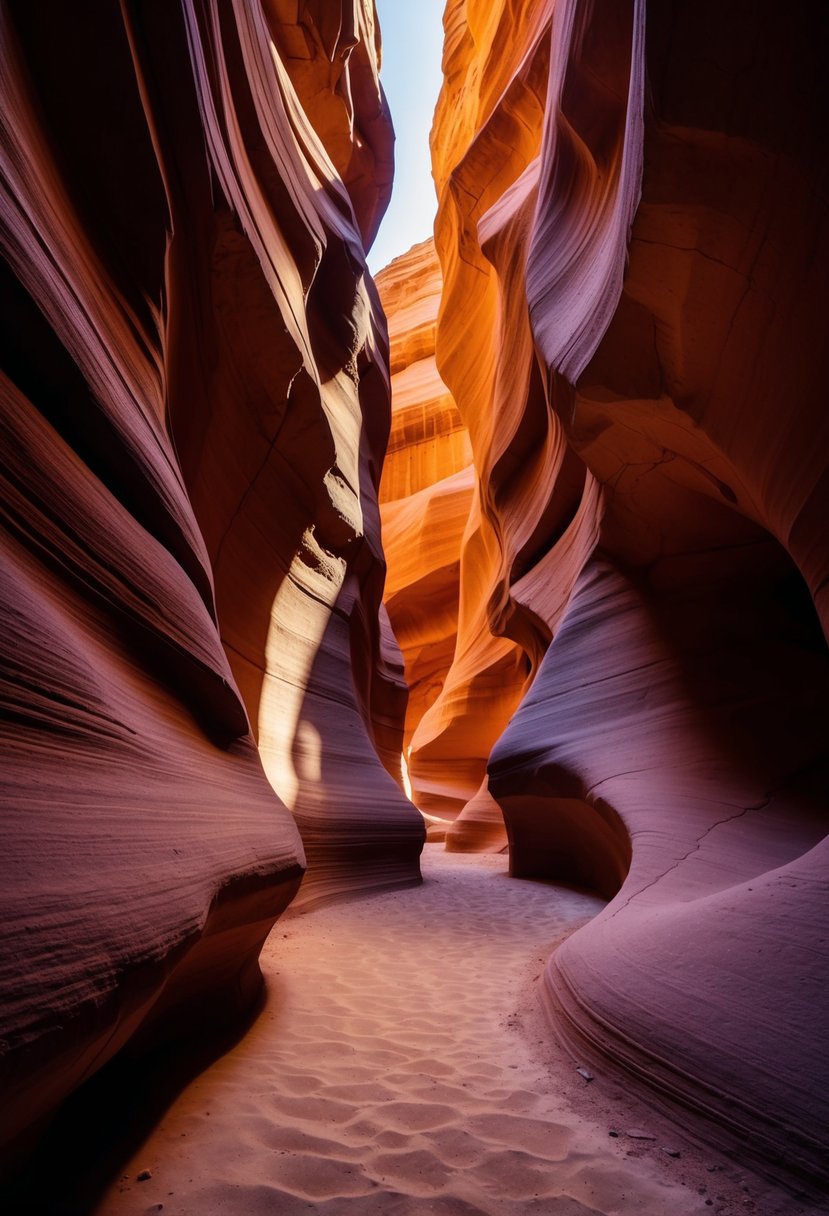
Visiting Antelope Canyon offers a unique experience with its stunning rock formations. This slot canyon, located near Page, Arizona, is known for its wave-like structure and beautiful light beams.
To explore this natural wonder, you must book a guided tour. Access is only allowed with a Navajo guide. With a guide, you can learn about the canyon’s history and significance.
There are two main sections to visit: Upper Antelope Canyon and Lower Antelope Canyon. Upper Antelope Canyon is famous for its light shafts, making it a favorite for photographers. Lower Antelope Canyon has more twists and turns, offering a different perspective.
The best time to visit is during midday when the sun is high. This timing creates the best light conditions for viewing the canyon’s colors.
Be prepared for narrow passageways and varying heights. It’s important to wear comfortable shoes and stay safe while exploring. Don’t forget your camera; the sights are breathtaking.
Antelope Canyon is a must-see destination in Arizona, combining natural beauty with cultural significance. Plan your visit and discover this incredible landscape.
5: Driving the Apache Trail
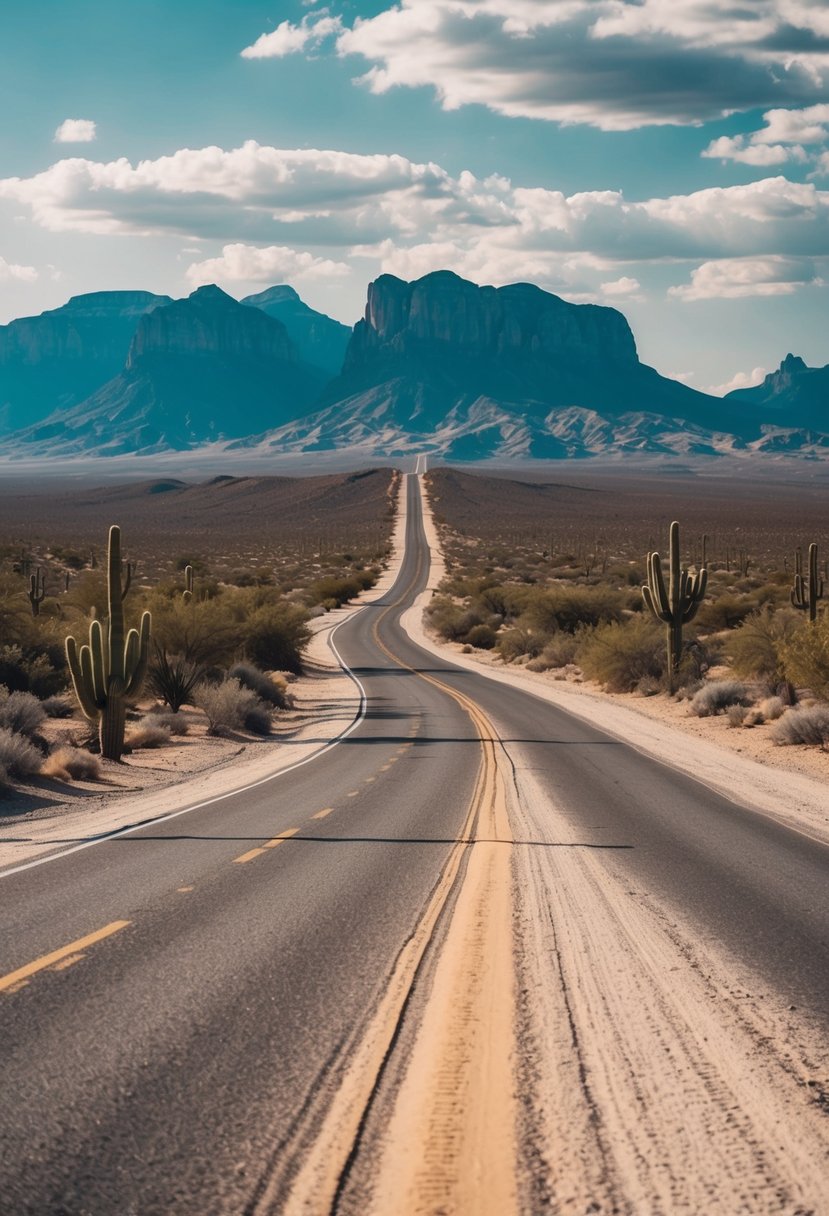
Driving the Apache Trail is a memorable experience. This scenic route stretches about 40 miles through the stunning Superstition Mountains. You will find breathtaking views, vibrant wildflowers, and unique landscapes.
The drive has many stops where you can explore. You can visit Roosevelt Lake, a beautiful spot for pictures and relaxation. There are also opportunities to hike and discover local wildlife along the way.
Spring and fall are the best times to drive this trail. During these seasons, temperatures are comfortable, making it ideal for hiking and photography. In summer, be prepared for extreme heat, so bring water and sunscreen.
You can plan your trip as a quick afternoon outing or a full-day adventure. Take your time to enjoy the views and explore the attractions. Each turn offers something new and exciting.
The Apache Trail allows you to connect with nature and experience the beauty of Arizona. This drive is suitable for all skill levels, making it a great choice for families and solo travelers alike. Enjoy your journey on this historic route!
Climate and Seasons
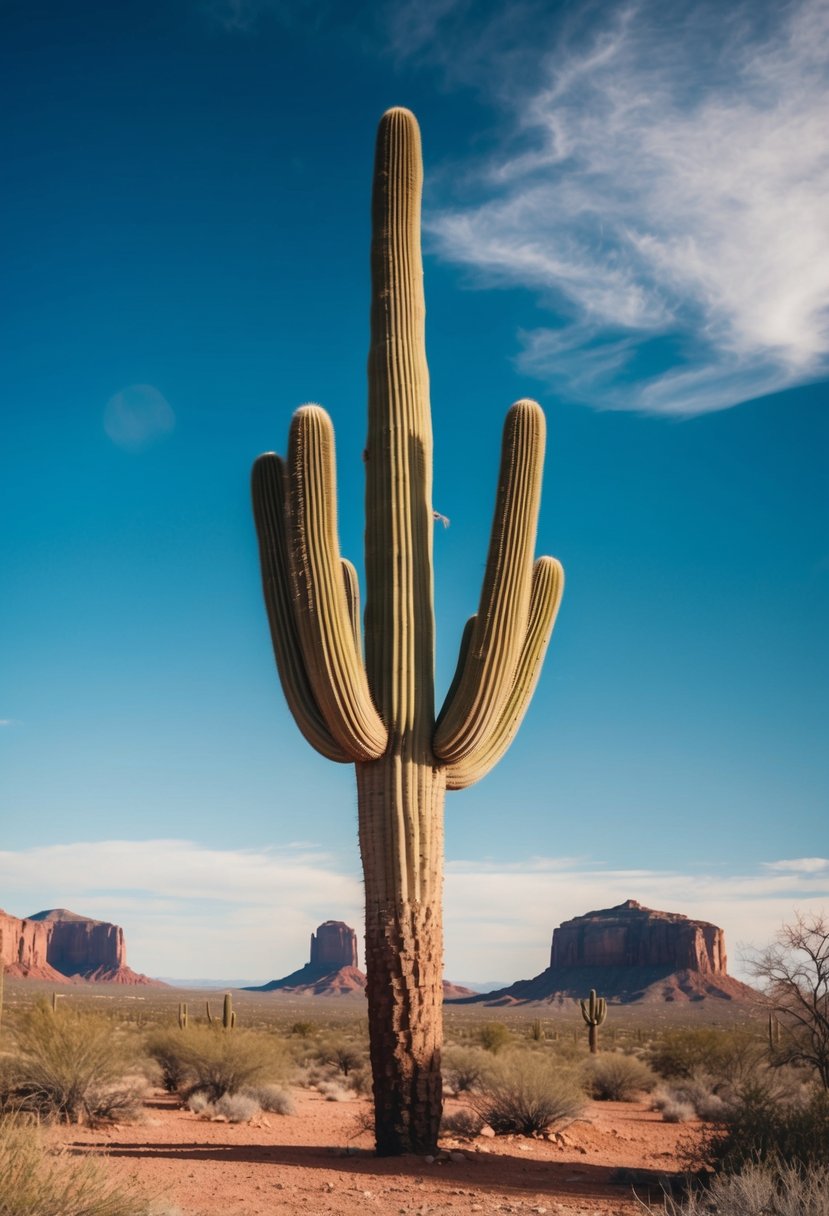
Arizona’s climate is unique and varies significantly across regions. Understanding the different seasons can help you plan your visit and activities. The state experiences hot summers, mild winters, and a distinct monsoon season that affects weather patterns.
Summer and Winter Differences
Summer in Arizona can be extremely hot, especially in the desert regions. Cities like Phoenix can see temperatures soaring above 100°F (38°C). It is essential to stay hydrated and wear sun protection.
In contrast, winter is much cooler, particularly in northern areas. You can experience temperatures ranging from 70°F (21°C) in the daytime to 19°F (-7°C) at night in the southern regions. In higher elevations, like Flagstaff, snowfall is common, making it a great spot for winter sports.
Monsoon Season
The monsoon season in Arizona typically occurs from June to September. During this time, the state experiences an increase in humidity and thunderstorms.
These storms can bring heavy rain, especially in the afternoon. This season is crucial for plant life, replenishing the water supply. The scenery becomes vibrant and lush after rainfall.
Be aware that flash floods can occur, particularly in the desert and mountainous areas. It’s wise to monitor weather updates if you are planning outdoor activities during this period.
Cultural Insights
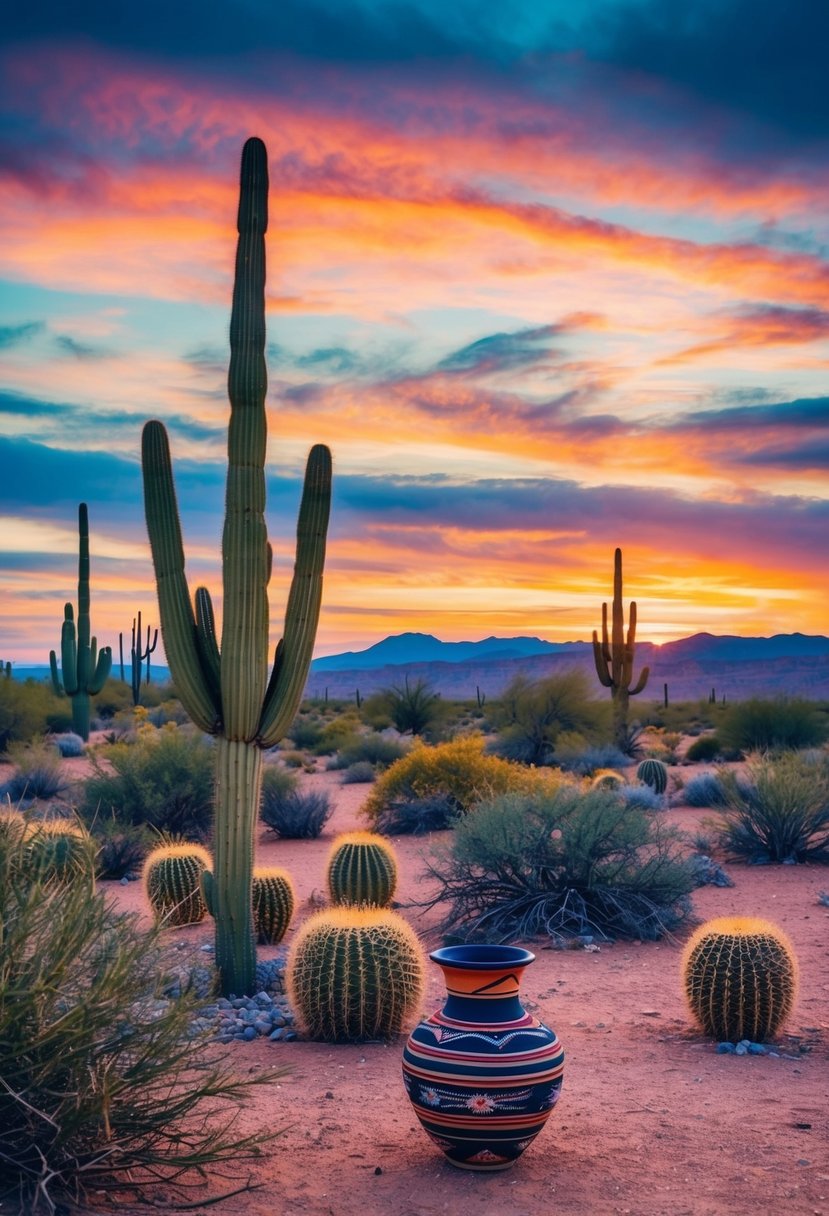
Arizona is rich in diverse cultural influences. The unique heritage of Native Americans and the impact of Spanish colonization shape the state’s identity. Understanding these aspects can deepen your appreciation of Arizona’s vibrant culture.
Native American Heritage
Arizona is home to 22 Native American tribes, each with its own distinct culture and traditions. The Navajo Nation is the largest, known for its stunning textiles and jewelry. You can visit the Grand Canyon, where the Havasupai and Hualapai tribes offer tours of their lands.
Exploring sites like the Monument Valley provides insight into traditional stories and practices. Many tribes maintain their languages and arts, keeping their history alive. Remember to be respectful during your visits, as these areas hold spiritual significance.
Influence of Spanish Colonization
Spanish colonization in the 16th century left a lasting impact on Arizona. Key cities like Tucson and Phoenix began as Spanish settlements. You can see the influence in architecture, such as the San Xavier del Bac Mission, which showcases beautiful baroque-style details.
Many cultural customs and festivals, like Dia de los Muertos, reflect this heritage. Spanish cuisine, with dishes like tamales and enchiladas, is now popular throughout the state. Exploring these elements gives you a broader view of how history continues to shape modern Arizona.