Things to Do in Maui: A Comprehensive Guide for Every Traveler
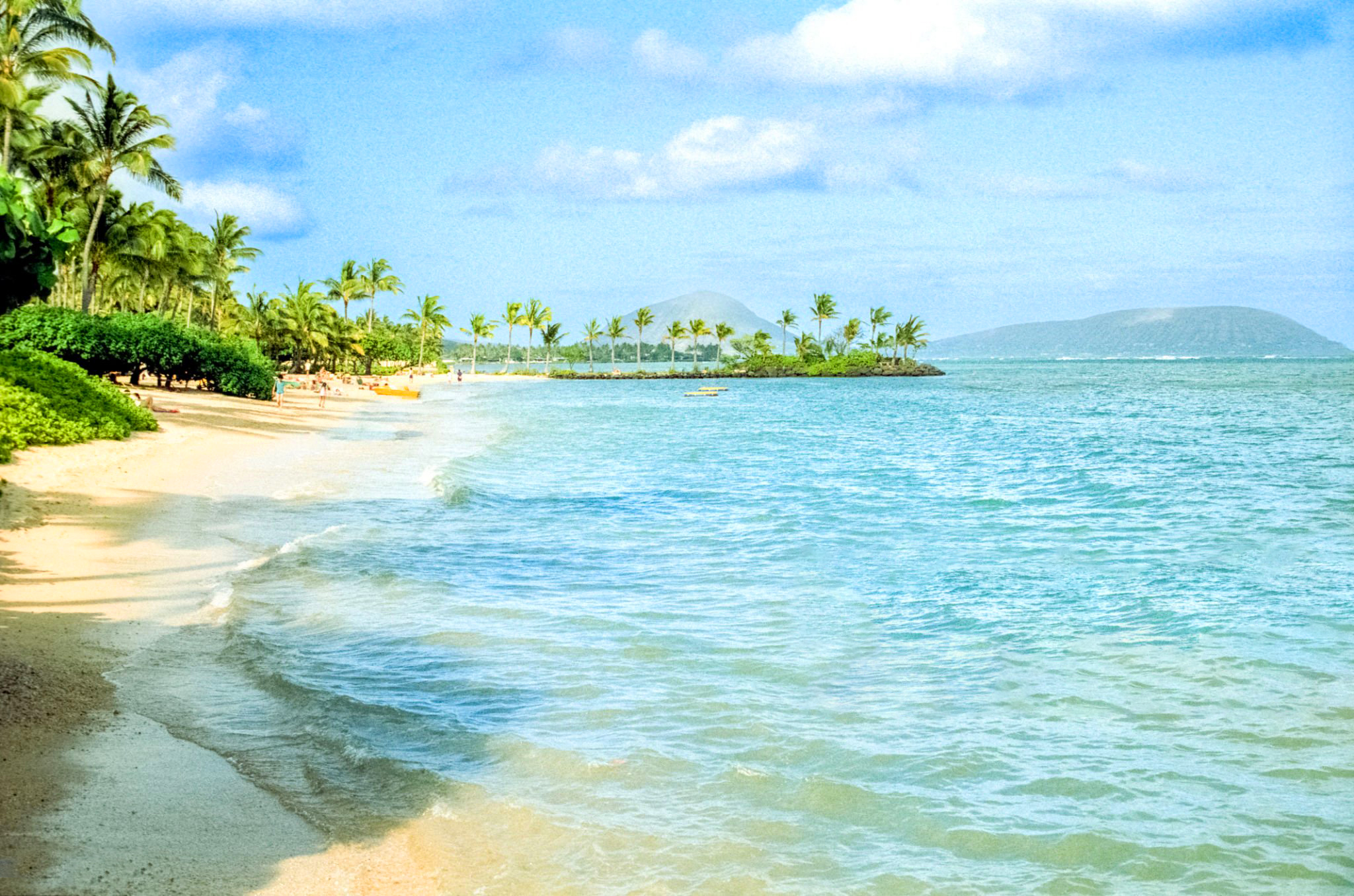
Maui is a stunning island with a variety of activities and attractions that cater to every type of traveler. Whether you’re looking for breathtaking scenery, rich culture, or exciting adventures, Maui has something for you. From its pristine beaches to lush hiking trails, each experience offers a unique taste of Hawaiian life.
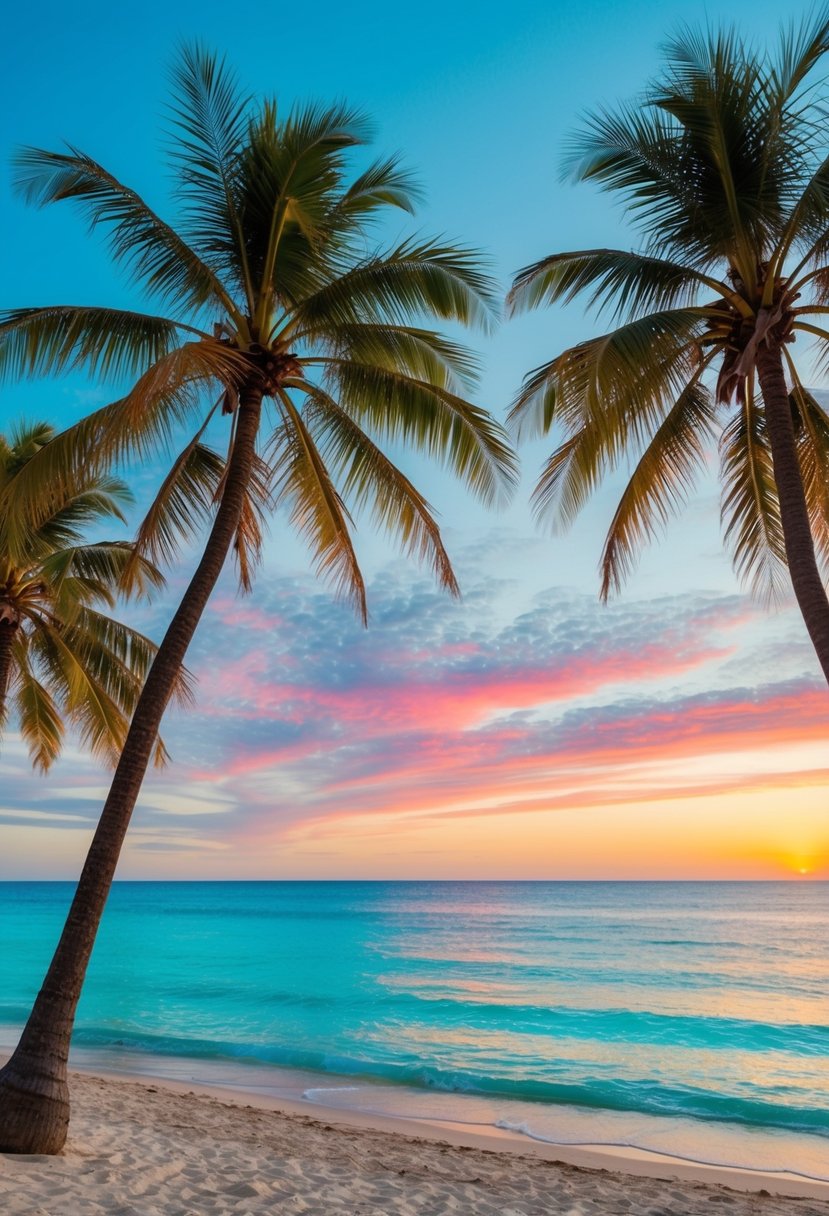
As you explore Maui, you’ll discover opportunities to connect with nature and engage in local traditions. The island is well known for its warm hospitality and vibrant environment, making it a perfect destination for relaxation and exploration.
1: Haleakalā Sunrise
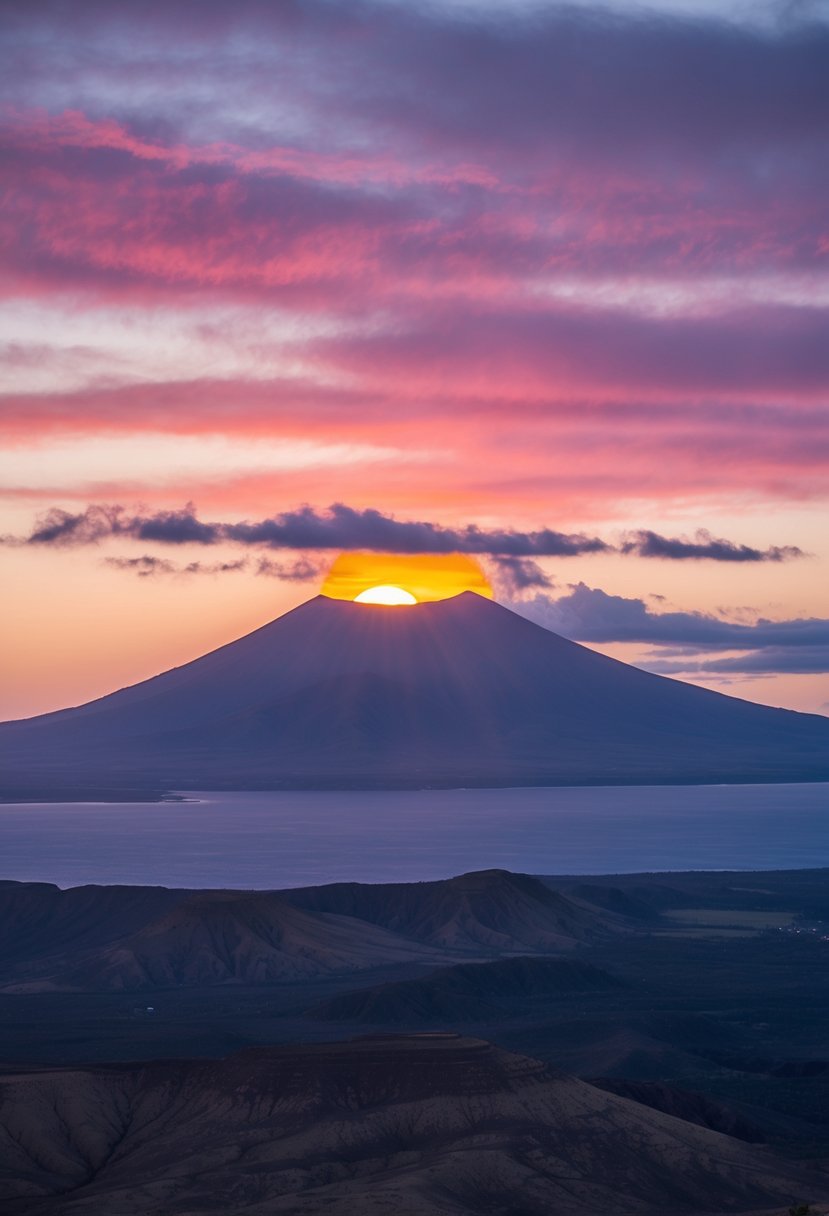
Experiencing the sunrise at Haleakalā is a must when visiting Maui. You will find yourself at an elevation of 10,023 feet, above the clouds. The view can be breathtaking as the sun starts to rise.
To see the sunrise, you need to make a reservation through the National Park Service. Reservations are only $1, but they often sell out quickly. Make sure to plan ahead.
When you arrive, dress warmly, as temperatures can be quite cool at the summit. You may also want to bring a blanket or jacket for extra comfort. Arriving early will help you secure a good spot to view the sunrise.
This experience is often described as magical. Whether you drive up yourself or join a guided tour, witnessing the sun rise over Haleakalā is unforgettable. It’s one of the best ways to embrace the natural beauty of Maui.
For those looking for a guided experience, many tour companies offer sunrise tours. They can provide transportation and often include insights about the area.
2: Road to Hāna
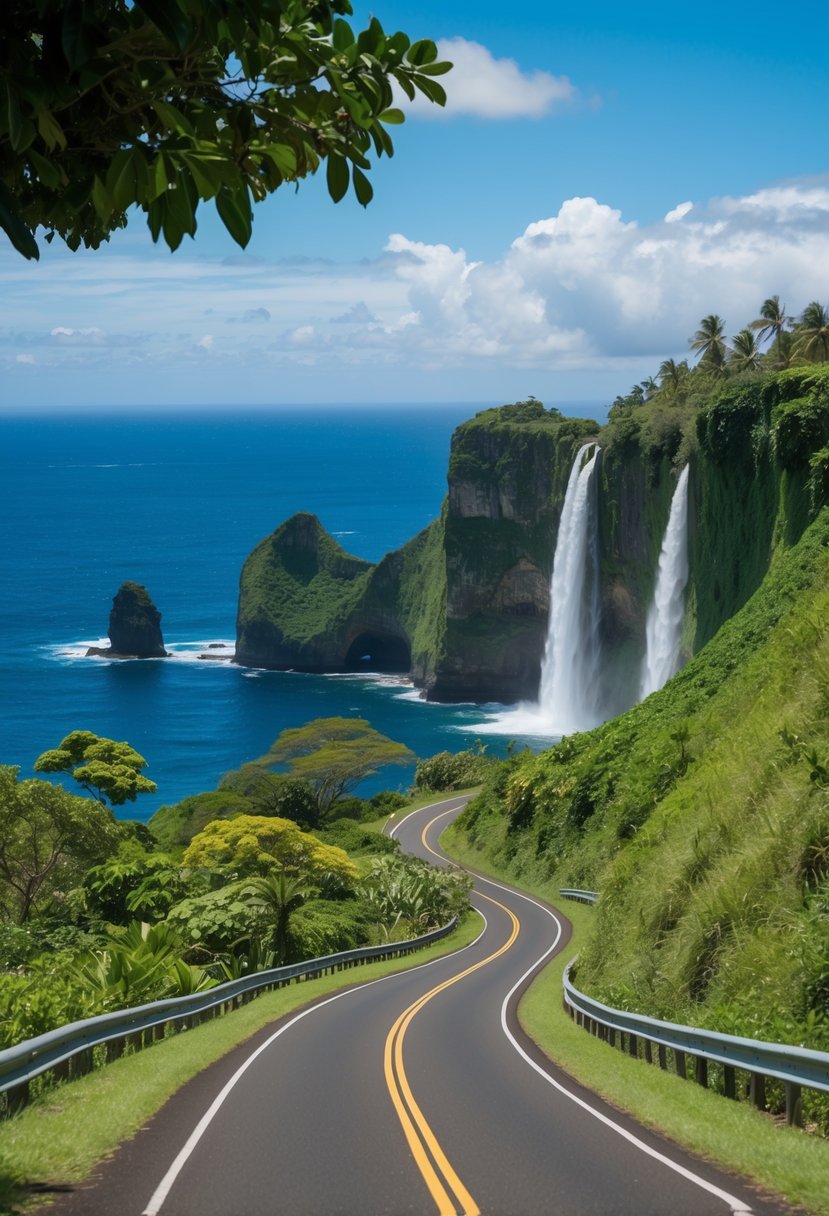
The Road to Hāna is one of the most scenic drives in Maui. This 64-mile route takes you through lush rainforests and along the stunning eastern coastline. Expect many curves and beautiful views.
As you drive, you will see waterfalls, black sand beaches, and unique lava tubes. You can stop at various points for breathtaking photos and short hikes. Each stop offers a chance to enjoy Maui’s natural beauty.
Plan your trip well, as the drive can take all day. Popular stops include the famous Twin Falls and Waikamoi Ridge. Be sure to bring water and snacks for the journey.
The Road to Hāna offers a chance to explore remote areas that many tourists miss. It’s perfect for those looking to experience the island’s natural wonders. For more tips and maps, check out this Road to Hāna guide. You’ll find everything you need for a memorable adventure.
3: Snorkeling at Molokini Crater
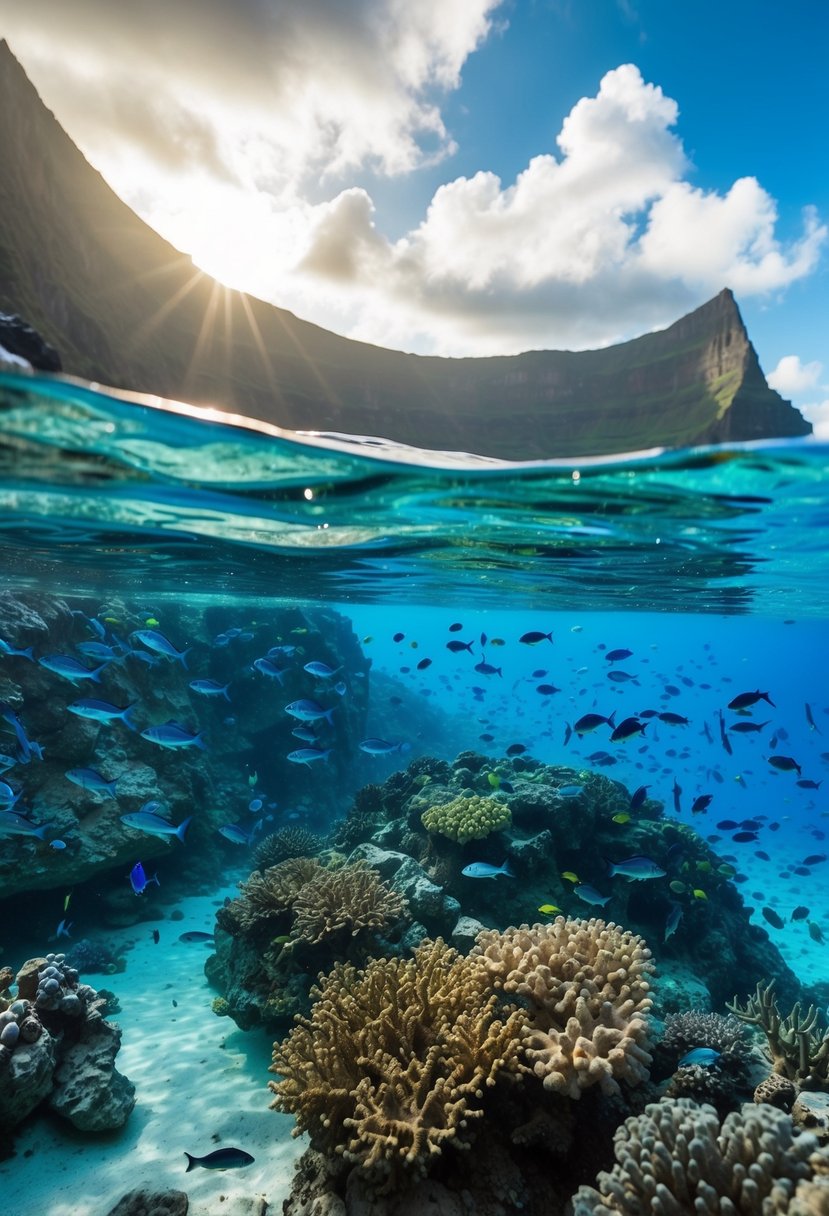
Snorkeling at Molokini Crater is one of the top activities in Maui. This unique spot is a sunken volcanic caldera located about three miles off the southwestern coast. The clear waters inside the crater offer excellent visibility.
You will find a rich marine life here, with around 250 species of tropical fish. The vibrant coral reef is home to colorful fish like the yellow tang and the moorish idol. You might also see Hawaiian green sea turtles swimming nearby.
Several tour boats operate from different locations in Maui, including Ma’alaea Harbor and Kihei. Tours typically include snorkeling gear and guidance.
Whether you are a beginner or an experienced snorkeler, the experience is unforgettable. Swimming amid the stunning underwater scenery is a must-do when visiting Maui.
4: Maui Ocean Center
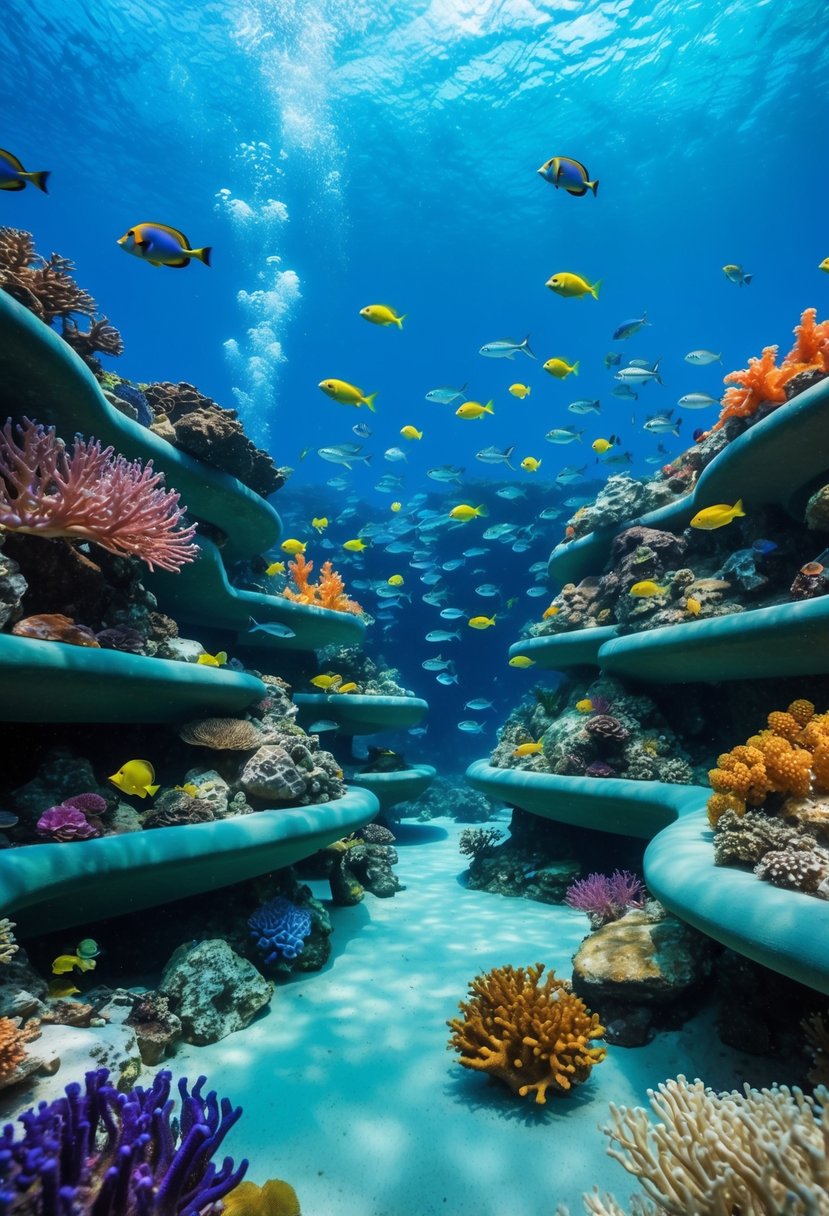
At the Maui Ocean Center, you can explore Hawaii’s rich marine life up close. This aquarium showcases a variety of exhibits featuring live Pacific corals and a wide range of marine animals.
You will see colorful tropical fish, sea turtles, sharks, and many other creatures that inhabit Hawaiian waters. A highlight is the Open Ocean Exhibit, which contains a massive saltwater tank and a 54-foot-long acrylic tunnel.
This unique experience allows you to walk through and get a 360-degree view of the underwater environment. The aquarium focuses on education, making it a perfect stop for families and ocean lovers.
You can also participate in hands-on activities that promote understanding and care for marine ecosystems. The Maui Ocean Center is dedicated to preserving Hawaii’s underwater heritage.
5: Lāhainā Historic Trail
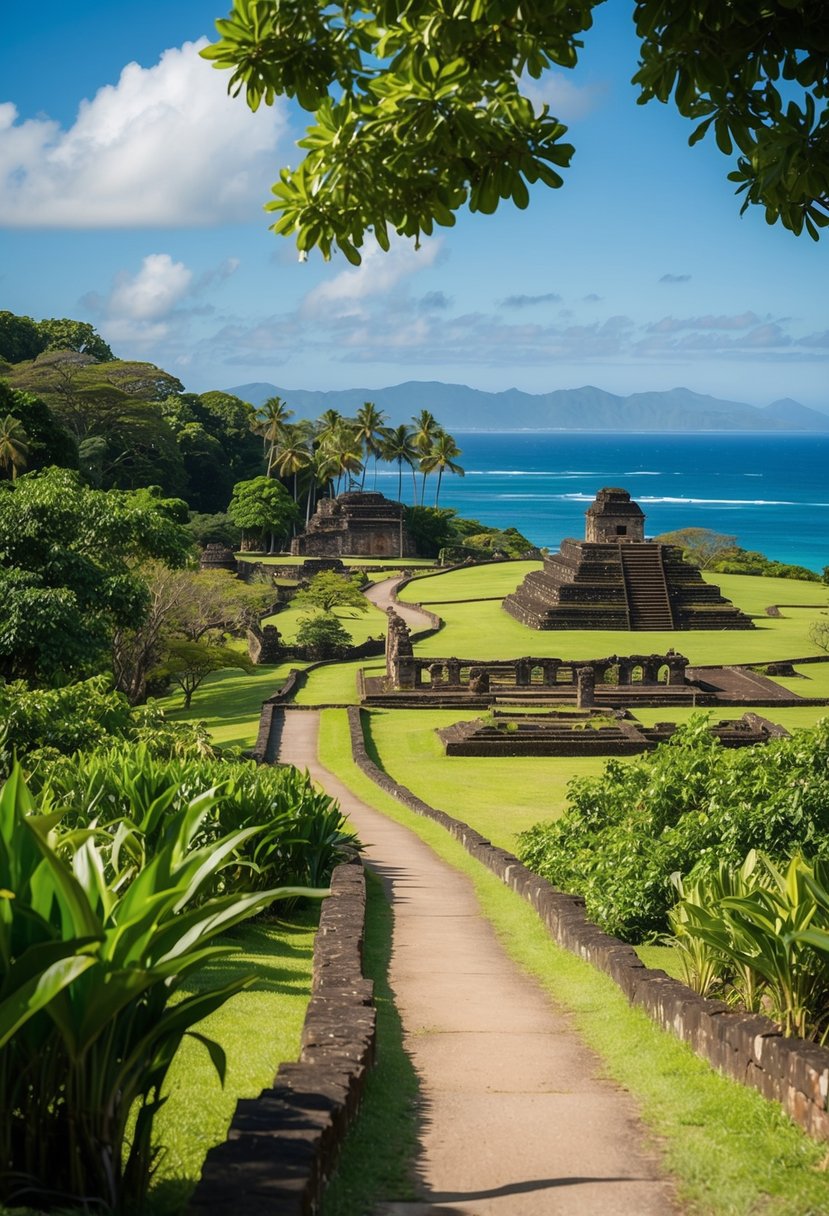
The Lāhainā Historic Trail offers a glimpse into the rich past of this historic town. As you walk, you can explore significant sites that shaped Hawaii’s history.
Start your self-guided tour at the visitor center. This trail has 62 historic landmarks. You will see buildings from when Lāhainā was the first capital of the Kingdom of Hawaiʻi.
The best time to walk the trail is Monday to Friday between 10 a.m. and 3 p.m. It takes about an hour to complete. As you stroll, you will learn about the whaling industry and plantation life.
Don’t forget to visit the Lāhainā Heritage Museum. This museum provides more insights into Hawaiian history and culture. Enjoy the blend of beautiful scenery and important historical sites along the way.
Whether you’re a history buff or just looking for a nice walk, the Lāhainā Historic Trail is a rewarding experience.
Geographical Overview of Maui
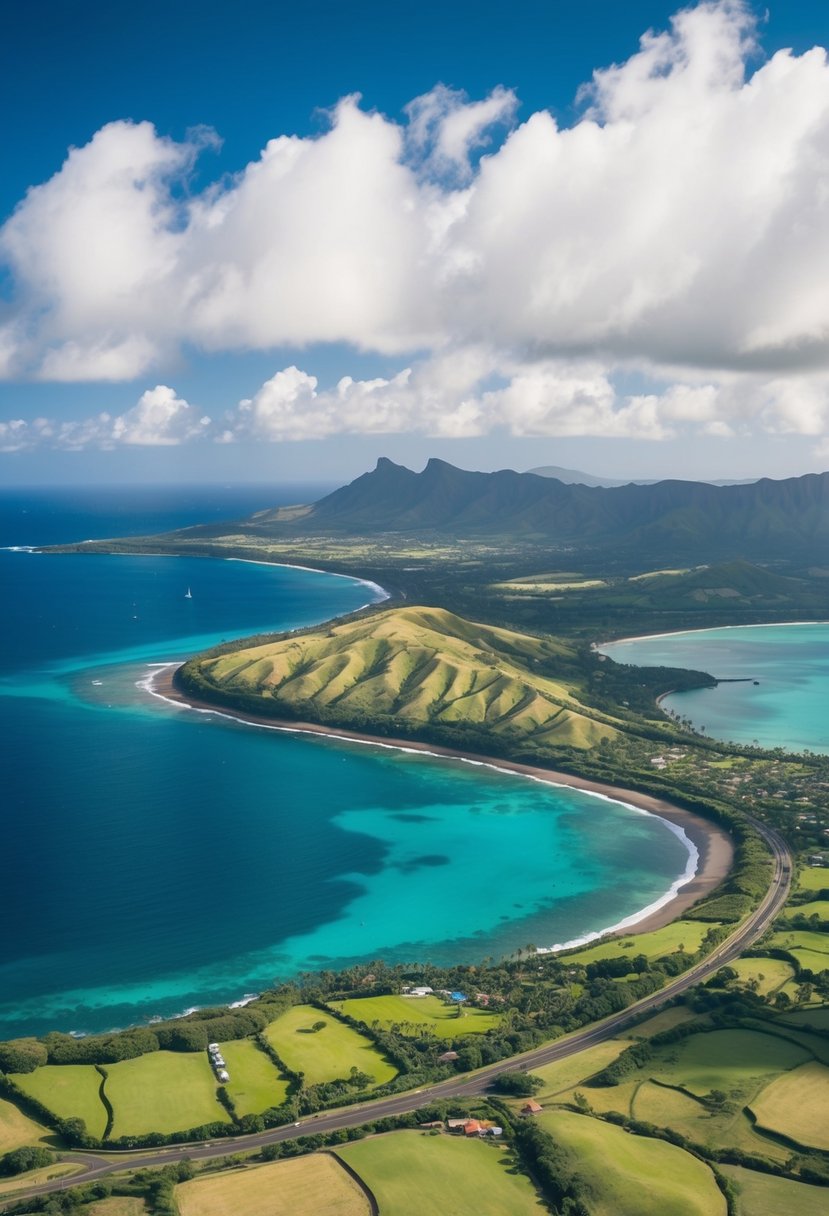
Maui features stunning volcanic landscapes and rich coastal ecosystems. Understanding these key geographical aspects can enhance your experience of the island.
Volcanic Landscapes
Maui is home to two major volcanoes: Haleakalā and Mauna Kahalawai. Haleakalā, the larger of the two, towers over 10,000 feet. It offers breathtaking sunrise views from its summit, making it a popular spot for visitors.
The island’s volcanic origins created unique formations. For example, the Haleakalā National Park is renowned for its dramatic crater and diverse habitats. You can explore trails that showcase rare plants and animals found nowhere else.
The lava fields around the island also tell a story of volcanic activity. These landscapes are not just beautiful; they are crucial for understanding Maui’s geological history. The rugged terrain is a reminder of the forces that shaped the island we see today.
Coastal Ecosystems
Maui’s coastlines are rich with diverse ecosystems. You will find pristine beaches, rocky shorelines, and vibrant coral reefs. These areas are crucial for various marine life, including sea turtles and colorful fish.
The waters off Maui are part of the Hawaiian Islands Humpback Whale National Marine Sanctuary. This is one of the best places for whale watching between November and April. Witnessing these majestic creatures is a unique experience.
In addition, coastal vegetation plays a key role in maintaining the health of these ecosystems. Plants like mangroves and coastal grasses help prevent erosion and provide habitats for wildlife. Understanding these coastal areas enhances appreciation for Maui’s natural beauty and biodiversity.
Cultural Heritage and Traditions
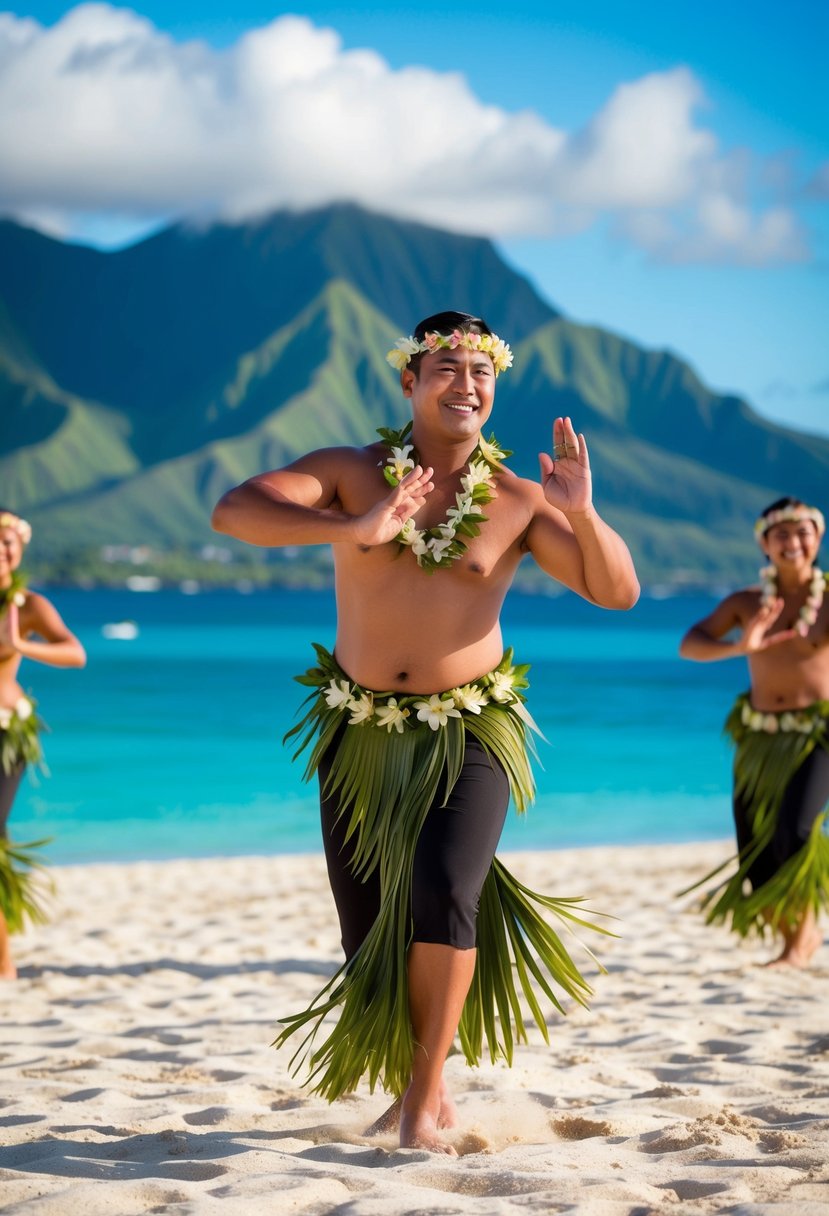
Maui is rich in cultural heritage, showcasing unique traditions and practices of the Native Hawaiian people. You can explore various aspects of this heritage through native practices and historical sites that tell the story of the island’s past.
Native Hawaiian Practices
Engaging with native Hawaiian practices offers a deeper understanding of the culture. One popular activity is participating in traditional luaus, where you can enjoy local foods and performances, including hula dancing.
You might also try lei making, a craft that involves weaving flowers and plants into beautiful garlands. This practice symbolizes love and respect.
Visiting the Kihei Canoe Club allows you to experience canoe paddling, a significant part of Hawaiian heritage. Here, you can learn about teamwork and the sea, which are vital to Hawaiian culture.
Historical Sites
Maui is home to several important historical sites that reflect its rich past. Haleakalā National Park features the massive Haleakalā volcano, sacred to Native Hawaiians. The stunning views and unique ecosystems make it a must-visit location.
The Lahaina Historic Trail offers a glimpse into the whaling era and sugar plantations. As you walk, you’ll see preserved buildings and learn about the town’s history.
Another significant site is the Iao Valley State Park. It’s known for its beauty and historical significance, serving as a sacred area for Hawaiian rituals. This park provides insight into the traditional practices and beliefs of the Native Hawaiian people.